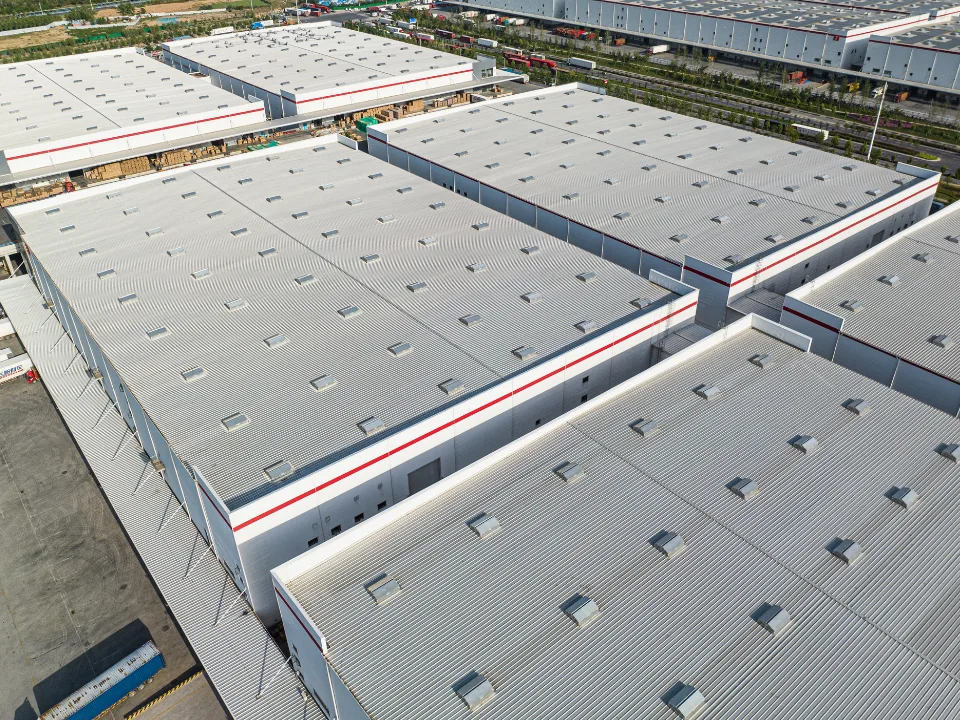





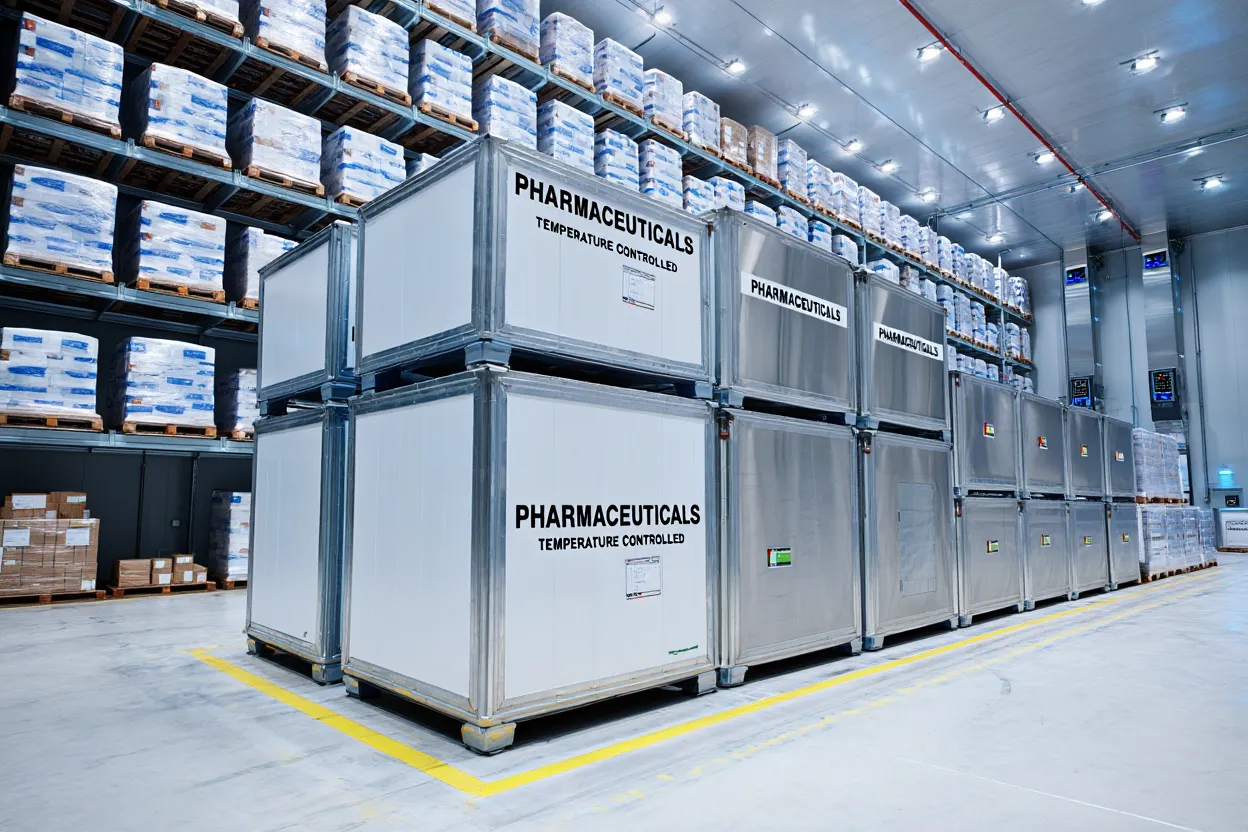
- UPS will invest $48M to upgrade 27 temperature-controlled logistics facilities globally amid surging healthcare shipment demand.
- Facilities span the Americas, Europe, and Asia, targeting pharmaceutical products like biologics and GLP-1s that require strict cold-chain control.
- This expansion highlights growing opportunities and competition in the healthcare logistics sector, with industry-wide investment accelerating.
Healthcare Logistics Demand Surges
UPS is ramping up investment in healthcare logistics, betting on the rapid growth of temperature-sensitive medicines. CNBC reports that the company plans to pour $48M into 27 existing facilities, a move reflecting heightened demand for temperature-controlled transport and storage in the industry. Pharmaceutical logistics, particularly for biologics and weight loss drugs such as GLP-1s, have become a strategic priority as both volume and regulatory scrutiny rise.
According to Growth Market Reports, demand for temperature-sensitive biologics is projected to grow at an 8.3% compound annual rate through 2033, reaching $39.1 billion in market value. This industry trend intensifies the need for robust cold-chain infrastructure and operational reliability among logistics providers, including UPS.
Get Smarter about what matters in CRE
Stay ahead of trends in commercial real estate with CRE Daily – the free newsletter delivering everything you need to start your day in just 5-minutes
The Details
UPS will invest $48M to upgrade 27 temperature-controlled cross-dock facilities across the Americas, Europe, and Asia. These sites handle shipments that need strict temperature controls. They support advanced drugs and therapies that face tight regulatory requirements. Kate Gutmann, UPS president of international, healthcare, and supply chain solutions, said the network protects patient safety and ensures reliable deliveries.
Meanwhile, UPS is responding to rising demand from medical and pharmaceutical customers. Many products require full chain-of-custody tracking and high compliance standards. The upgrades should also reduce product losses. The World Health Organization estimates that up to 50% of vaccines are wasted each year, largely because of cold-chain failures. UPS said the investment supports its strategy of meeting changing healthcare needs.
Logistics Investment Intensifies
Healthcare logistics has evolved from a niche business into a major competitive market. More investors and operators now target the sector. Demand for GLP-1 weight loss and diabetes drugs has increased spending on temperature-controlled facilities. Brands such as Wegovy and Ozempic have helped drive that trend. Drugmakers are also expanding manufacturing capacity in key markets, increasing demand for specialized distribution networks. A November KFF poll found that one in eight Americans currently uses GLP-1 drugs. As a result, logistics firms face higher shipping volumes and stricter risk requirements.
UPS is not the only company expanding in medical shipping. Competitors are also building specialized infrastructure to keep pace. According to CEO Carol Tomé, healthcare remains a key growth driver. UPS generated $3B in healthcare revenue during Q1 2026. The total marked a record and increased from a year earlier across all segments. Therefore, logistics operators must continue investing to remain competitive.
Why It Matters
Global supply chains increasingly depend on temperature-controlled pharmaceutical shipping. These capabilities are becoming essential for leading logistics companies. Growth Market Reports projects the biological and specialty drug market will exceed $39B by 2033. Rising demand for GLP-1 drugs and complex therapies supports that growth. Without dependable cold-chain capacity, suppliers risk revenue losses, regulatory issues, and reputational damage from spoiled products.
The World Health Organization links up to 50% of vaccine waste to cold-storage failures. At the same time, drugmakers continue developing personalized and biologically complex medicines. These products require strict handling standards. UPS’s $48M investment suggests companies that expand infrastructure now could gain market share. They may also charge premium rates for critical deliveries. CRE stakeholders should expect cold-chain demand to spur retrofits and new facility development.
What’s Next
Healthcare remains a top priority for UPS. The company has gained healthcare market share for three straight years. Tomé said during the April earnings call that UPS plans to “lean into” the sector through more upgrades and expansion. Analysts expect continued competition for healthcare logistics assets, including build-to-suit warehouses and cross-docks. As more drugs require precision shipping, developers and investors should watch for new facility demands from healthcare and logistics tenants.