

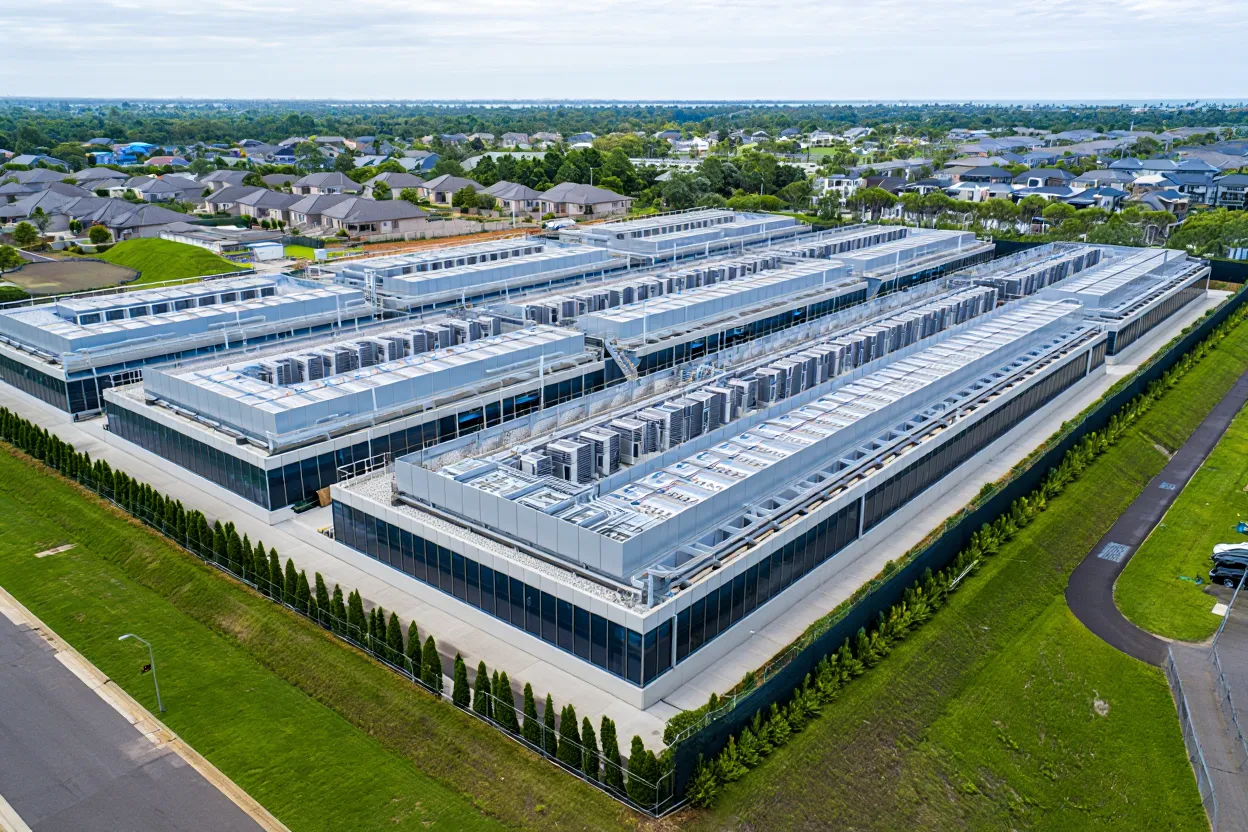
- Fourteen US states and more than 100 localities have considered or enacted moratoriums on new data center development in 2026.
- Legislation ranges from temporary pauses to multi-year bans, often citing environmental, power, and community impact concerns.
- The spread of bans could further constrain a sector already struggling with power shortages and limited development opportunities.
Community Opposition Drives Policy Changes
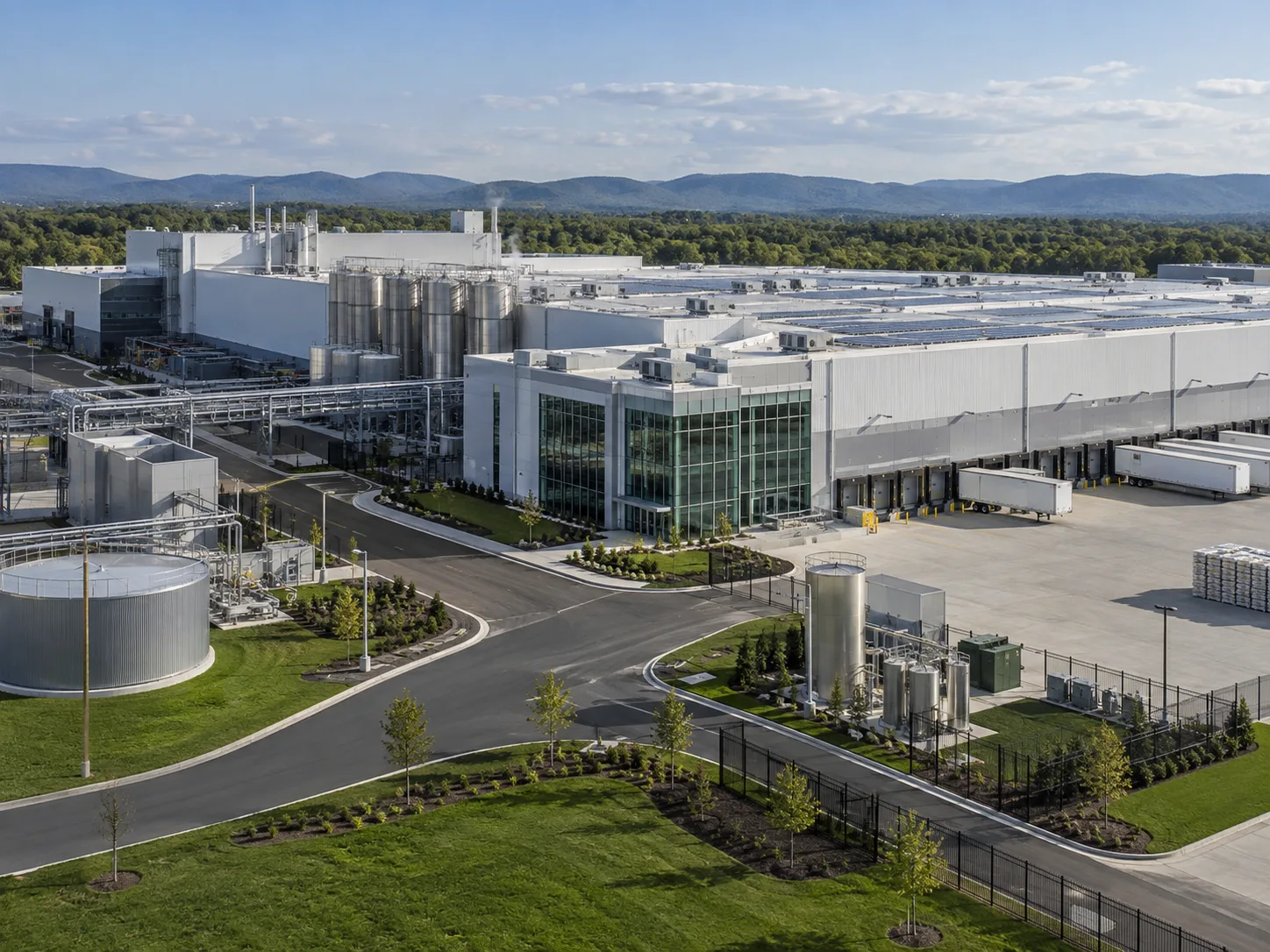
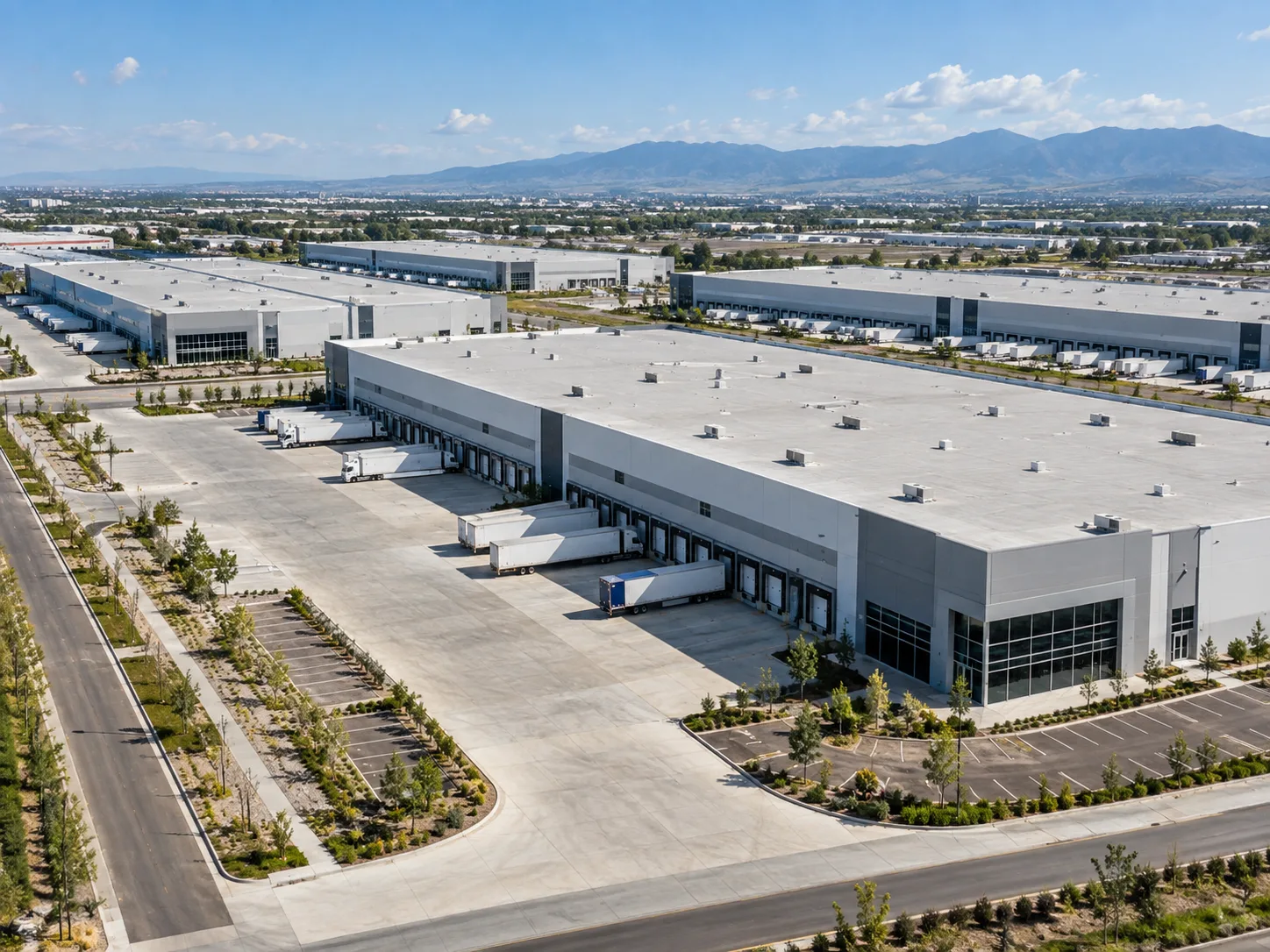
According to Bisnow, political and community pushback against data centers is mounting as facilities proliferate nationwide. The surge in moratorium proposals at both the state and local levels reflects widespread unease about data center impacts on energy usage, water resources, and local quality of life. National headlines have focused on power-hungry hyperscale projects, while grassroots groups vocalize concerns ranging from noise and emissions to infrastructure stress. The result: data center development is now a lightning rod issue for local officials across the political spectrum, making opposition a viable campaign platform in many jurisdictions.
Get Smarter about what matters in CRE
Stay ahead of trends in commercial real estate with CRE Daily – the free newsletter delivering everything you need to start your day in just 5-minutes
The Details
Since January, fourteen US states have introduced legislative proposals to pause or halt new data center construction, per Bisnow. New York’s legislature became the first to pass a moratorium, pausing data center projects over 20 MW for one year pending an environmental impact review—although it awaits Governor Kathy Hochul’s signature. Other states, including Maine, Virginia, Maryland, Oklahoma, Michigan, and Pennsylvania, have considered bans ranging from one to several years, often with thresholds based on facility size.
Meanwhile, local governments in over 100 cities, counties, and towns—from DeKalb County, Georgia, to Mansfield, Massachusetts—have enacted or weighed their own moratoriums, sometimes in places with scant data center interest. Michigan stands out with close to 50 municipal or county-level bans, restricting development across an area reportedly the size of Rhode Island.
Moratoriums Pile Up Nationwide
The proliferation of data center moratoriums is not limited to traditional tech hubs like Northern Virginia or Silicon Valley. Recent action is widespread: Maine’s legislature supported a ban (which was vetoed by Governor Janet Mills), Vermont has proposed restrictions until 2030, and Pennsylvania is weighing a three-year halt on “high impact” centers above 25 MW.
Bills vary in structure—some target only new builds, while outliers like Wisconsin have proposed curbing ongoing operations of existing facilities above certain thresholds. Local action mirrors state trends, with affected zones stretching from the Southeast (multiple Georgia counties) to the Midwest and New England. The cumulative effect: a national patchwork of bans overlays primary and secondary markets, making site selection ever more complex for operators and investors.
Why It Matters
This legislative wave adds new risk for data center developers. AI and cloud adoption are driving record demand for space and power. Moratoriums, community resistance, and infrastructure bottlenecks could freeze growth in high-demand regions. A separate federal push to pause AI data center buildout adds pressure beyond local zoning fights. US markets already face power and land shortages, per datacenterbans.com and Bisnow. Hyperscale players regularly bump against local development limits. New York and Virginia could see pipelines stalled or diverted. Local bans also raise entitlement risk and complicate long-term investment planning.
A 2024 CBRE report projected a 16% annual jump in US data center absorption, yet these findings may now be at risk if key metros clamp down on new facilities. Industry responses range from ramped-up lobbying to project delays, as firms seek clarity on rapidly evolving rules. Meanwhile, the political popularity of such bans cuts across party lines, threatening traditional pro-business policy assumptions in even the most data center-friendly markets.
What’s Next
Market players are bracing for an uptick in land and power scarcity as regulatory headwinds stiffen. While some moratorium bills face tough odds in state legislatures, the growing list of local bans means the sector must navigate a shifting mosaic of regulations on a project-by-project basis. Operators may accelerate deals in less-restrictive locations or pivot to redevelopment and retrofits of existing sites.
As artificial intelligence workloads scale up through 2026, the race to secure viable sites is growing more urgent—and more politically charged. Developers and investors will need to sharpen community engagement strategies and anticipate new policy hurdles as public debate intensifies.