






- Investors say they were promised shares in Webstar Technology Group for their stake in the $3.8B Forge Atlanta project but never received them.
- Complaints filed with regulatory agencies accuse a project consultant of misleading fundraising and unspecified ‘ponzi scheme’ activity.
- The dispute raises fresh doubts about the viability of one of Atlanta’s largest planned mixed-use developments amid questions on transparency and financing.
Troubled Claims Surround Ambitious Atlanta Project
Webstar Technology Group entered Atlanta real estate in 2025 with Forge Atlanta, a $3.8B South Downtown megaproject. According to Bisnow, investors say Webstar took funds but provided no shares or proof their money supported the deal. Terrence Ruffin, who leads a two-dozen-member investment club, says several members invested about $20K for discounted shares.
When shares never arrived, Ruffin filed complaints with the FBI, SEC, FINRA, and local authorities. He said consultant Eric McClendon misled investors and urged scrutiny of Webstar’s fundraising. The dispute raises concerns about nontraditional sponsors pitching grassroots investors on megaprojects. In March, Webstar reported $1,200 in cash and more than $41M in liabilities, threatening Forge’s credibility.
Get Smarter about what matters in CRE
Stay ahead of trends in commercial real estate with CRE Daily – the free newsletter delivering everything you need to start your day in just 5-minutes
Promises, Disputes, and the Seed of Distrust
Webstar hit the CRE radar last year with two bold plans. One was a $650M resort. The other was Forge Atlanta, a $3.8B urban district. However, its backstory raised concerns. The Bear Village resort in Commerce never materialized. It also left incomplete land deals and error-ridden SEC filings.
By 2025, Webstar focused only on Forge Atlanta. The proposal calls for more than 2,300 condos and 600K SF of office. It also includes more than 120K SF of retail and entertainment space. Meanwhile, Webstar courted investor groups led by local professionals seeking a path into CRE ownership.
Consultant Eric McClendon pitched discounted shares during virtual meetings, with entry points as low as $5K. Investors say communication slowed after they sent funds. They also say documents never arrived. Instead, they received explanations about lockup periods and share transfers, not formal verification. That opacity deepened doubts about Webstar’s ownership and its financing for the Forge site.
The Details
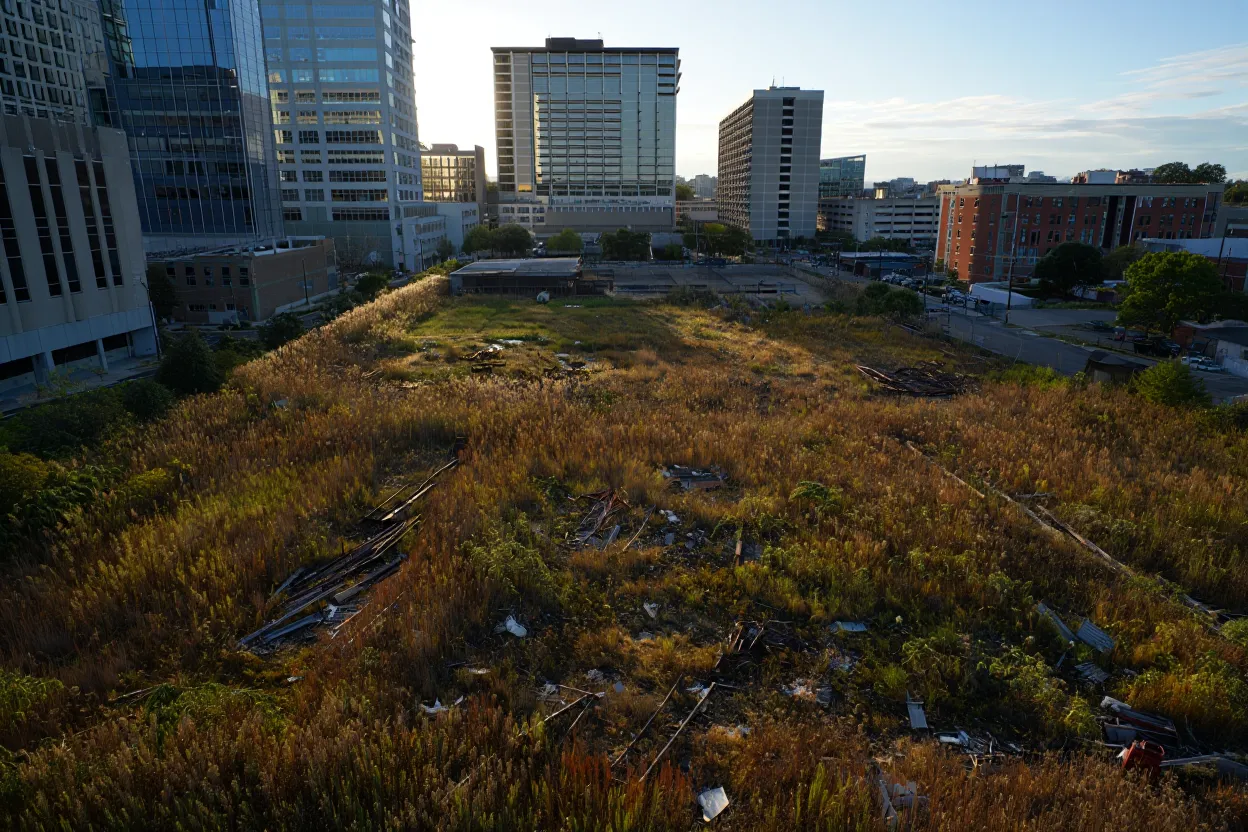
According to filings and Bisnow, FAAM paid $34.5M for the 10-acre Forge Atlanta site. Seller Russell McCall financed the deal with a $33.7M loan. After default, McCall extended maturity to October 1 for $1.9M in fees and interest.
Webstar owns 80% of FAAM but reported little cash and heavy liabilities. McClendon says talks continue with lenders, equity partners, and a five-star hotel operator. Webstar also plans crypto fundraising through Torch-RWA tokens tied to the project.
Investor Entrée and Atlanta Market Dynamics
Grassroots CRE investing remains rare, but unconventional sponsors are targeting Atlanta’s local investor networks. Ruffin and Philips say McClendon pitched discounted shares as a path into CRE ownership. Webstar executives did not join those presentations.
Investors later learned Webstar did not own the site outright. Months passed without share certificates or escrow proof. The delays raised doubts about Webstar’s ownership, financing, and ability to secure construction loans.
Why It Matters
Investor concerns around Webstar and Forge Atlanta sharpen questions about fundraising oversight and sponsor transparency. As lenders tighten and costs rise, sponsors increasingly use retail investors, seller financing, and other unconventional capital. Bisnow’s review cited missing documents, unclear lockups, and weak verification for small investors. Similar disclosure disputes have also hit public markets, where investors sued cold-storage giant Lineage over alleged IPO-era misstatements. Those gaps could draw regulatory scrutiny across Atlanta CRE.
Atlanta’s City Council has shown early support for the site, but says it has not backed Webstar’s plans. Council member Jason Dozier called the case alarming. Fulton County offered the only public subsidy: $10M in tax breaks if Forge gets built. For South Downtown, investor disputes weaken confidence and make groundbreaking harder. If allegations hold, future grassroots CRE syndications may face tighter vetting, especially crypto-backed offerings.
What’s Next
Webstar faces a deadline of October 1 to clear nearly $2M in extension fees or risk losing its site. The firm’s liquidity crisis, unresolved investor complaints, and regulatory scrutiny heighten skepticism around the project’s future. While McClendon claims discussions with new lenders and equity partners are active, the lack of substantive progress or documentation means the Forge Atlanta vision remains at risk. For investors and public officials alike, the next fiscal quarter will determine whether the project can stabilize its financing—if not, it could become a high-profile cautionary tale for Atlanta’s development community.