






- SpaceX’s $1.7 trillion IPO reveals a vast property network supporting rockets, satellites, and AI across the US.
- Major investments include Starbase HQ in Texas, gigafactories, and new AI data centers in Memphis and Palo Alto.
- SpaceX’s integrated real estate strategy underpins ambitions for orbital data centers and positions it as a transformational CRE tenant.
Building a Launchpad for Growth
SpaceX is going public with an unprecedented $1.7 trillion valuation, per CoStar News, on the back of a real estate strategy as ambitious as its Mars plans. Once confined to a 3,000-SF California warehouse, the company now boasts a national real estate web supporting not just rockets, but rapid satellite production and artificial intelligence. SpaceX ties its site selections to market access, talent clusters, and infrastructure for its three core businesses – space, global connectivity, and AI – signaling a model for future high-tech CRE occupiers.
This physical expansion reflects sharp market moves. According to its May 2026 S-1, SpaceX sees its real estate as a linchpin in fusing hardware and software around “orbital data centers,” with AI and next-gen manufacturing as growth drivers. Targeted CRE investments—industrial, R&D, office, and even community amenities—have set it up to scale national and orbital infrastructure in tandem.
Get Smarter about what matters in CRE
Stay ahead of trends in commercial real estate with CRE Daily – the free newsletter delivering everything you need to start your day in just 5-minutes
The Details
SpaceX’s real estate footprint now spans at least eight states, with assets ranging from industrial megasites to high-spec data centers. Starbase, its Texas HQ, covers 960 acres and includes residential, educational, and hospitality functions for employees. In Hawthorne, CA, its 580,000-SF rocket and spacecraft R&D hub anchors the legacy aerospace corridor, where SpaceX operates as the city’s largest employer. Satellite manufacturing centers are clustered in Redmond, WA (363,000 SF), and Bastrop, TX (1M SF, with a $280M state-backed expansion). Massive rocket testing happens on over 4,300 acres in McGregor, TX.
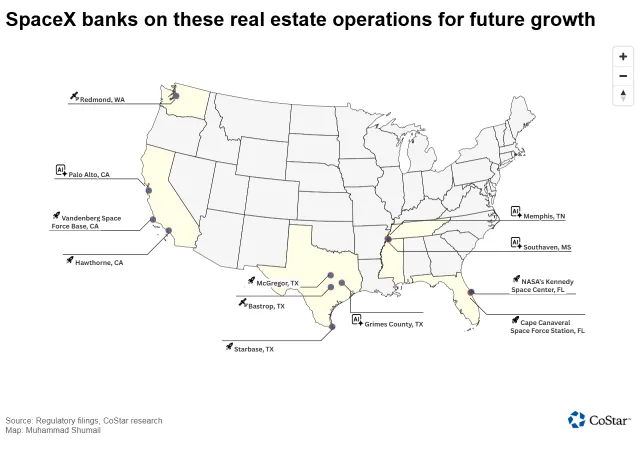
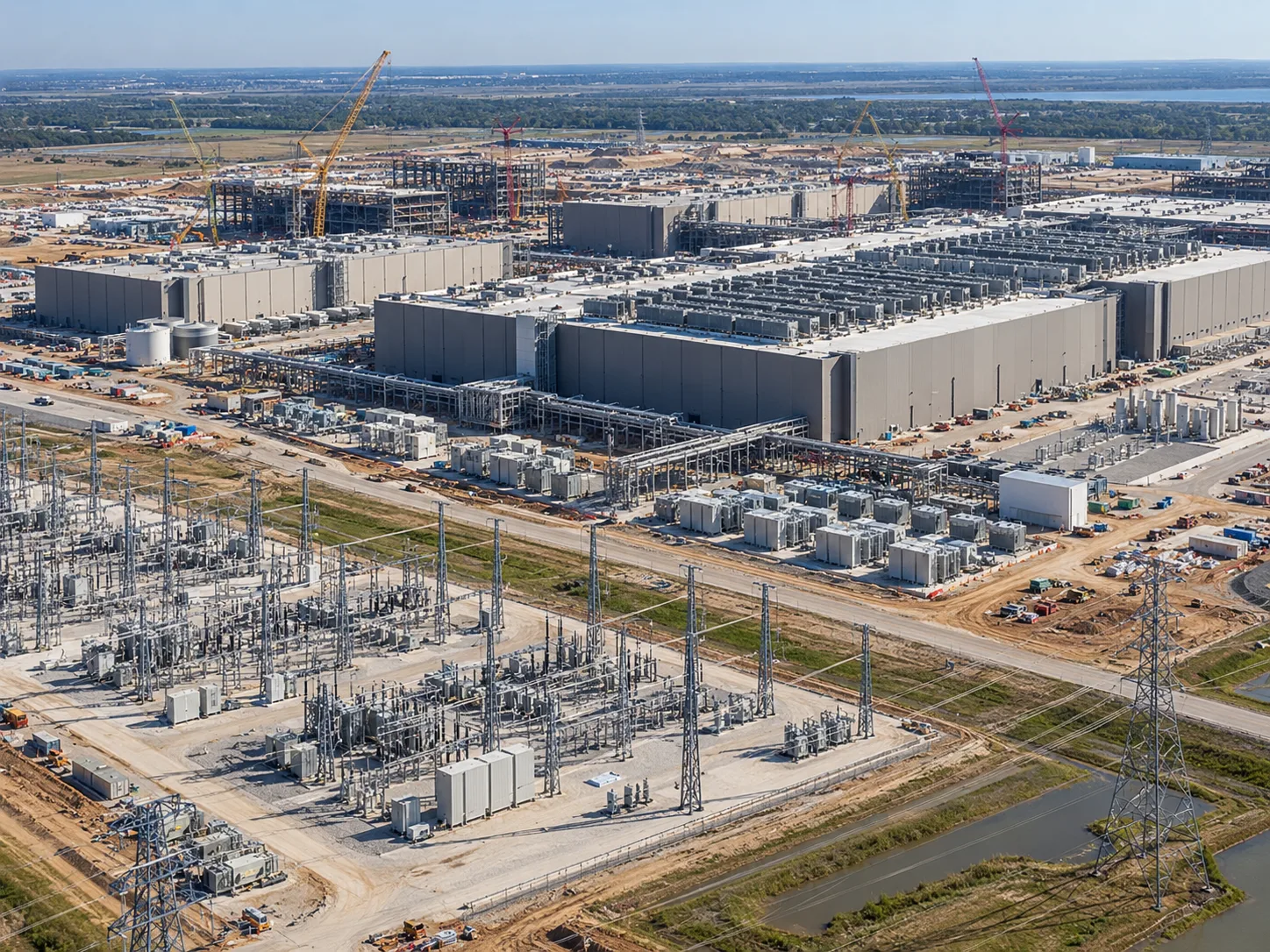
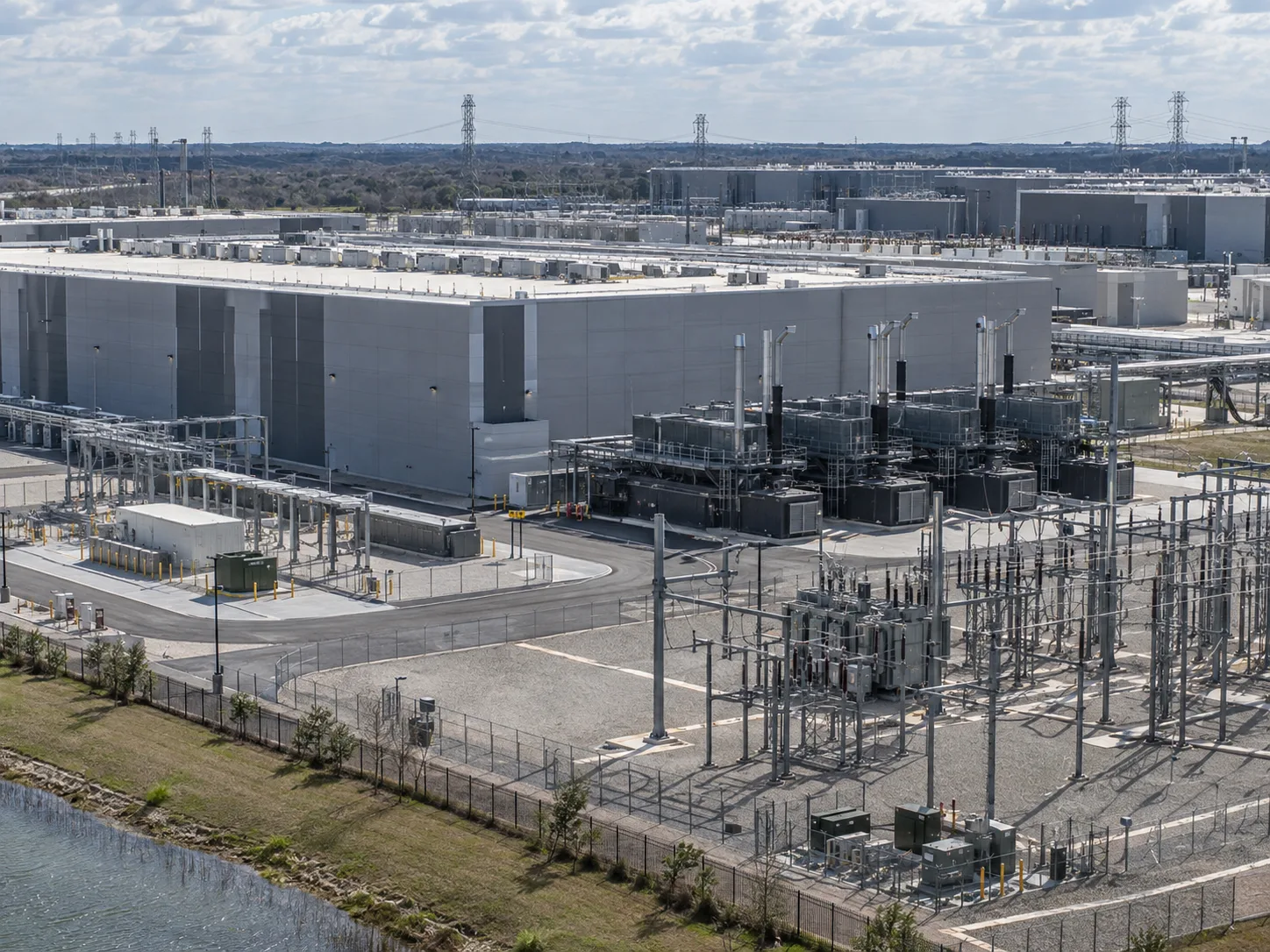
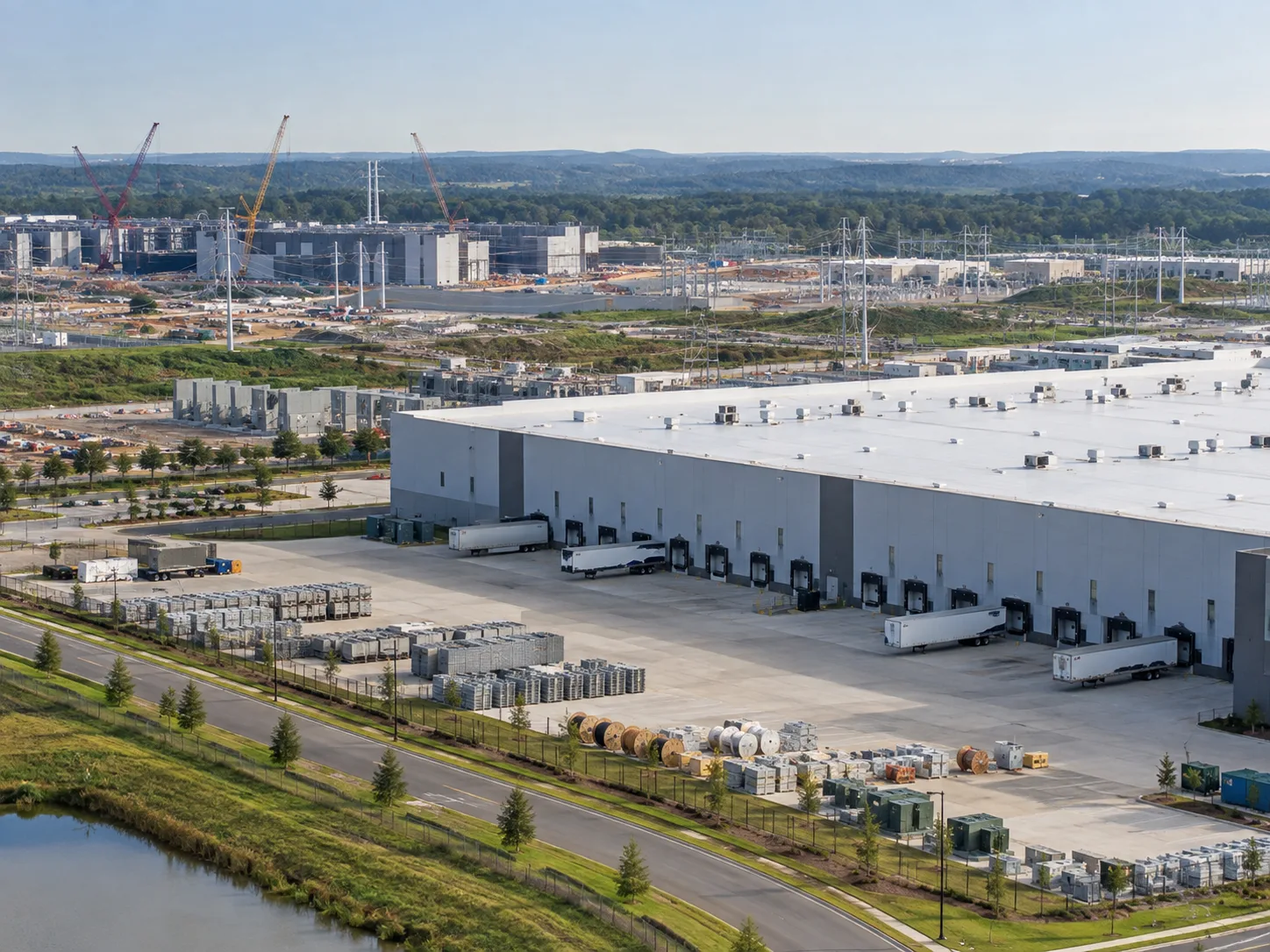
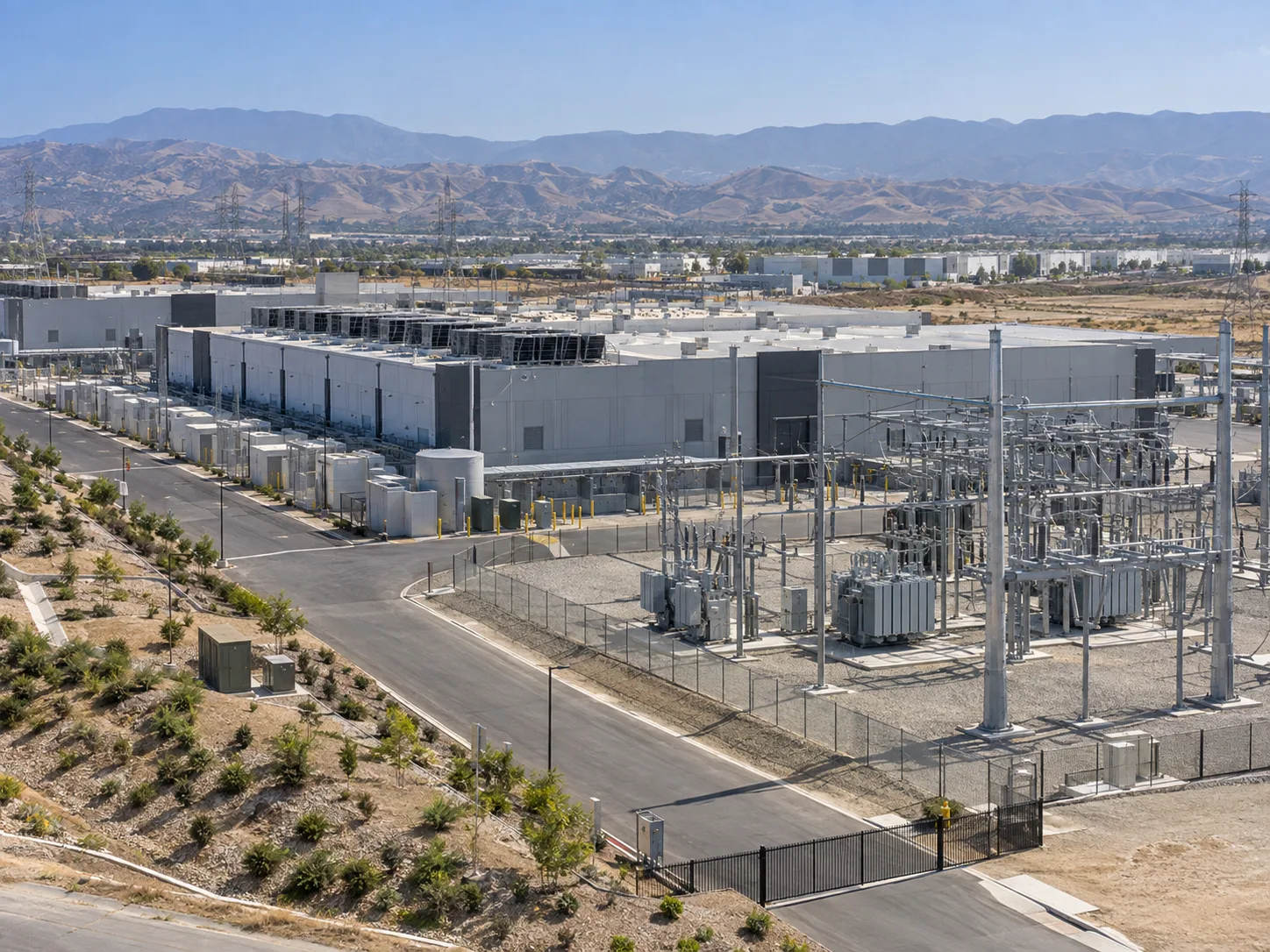
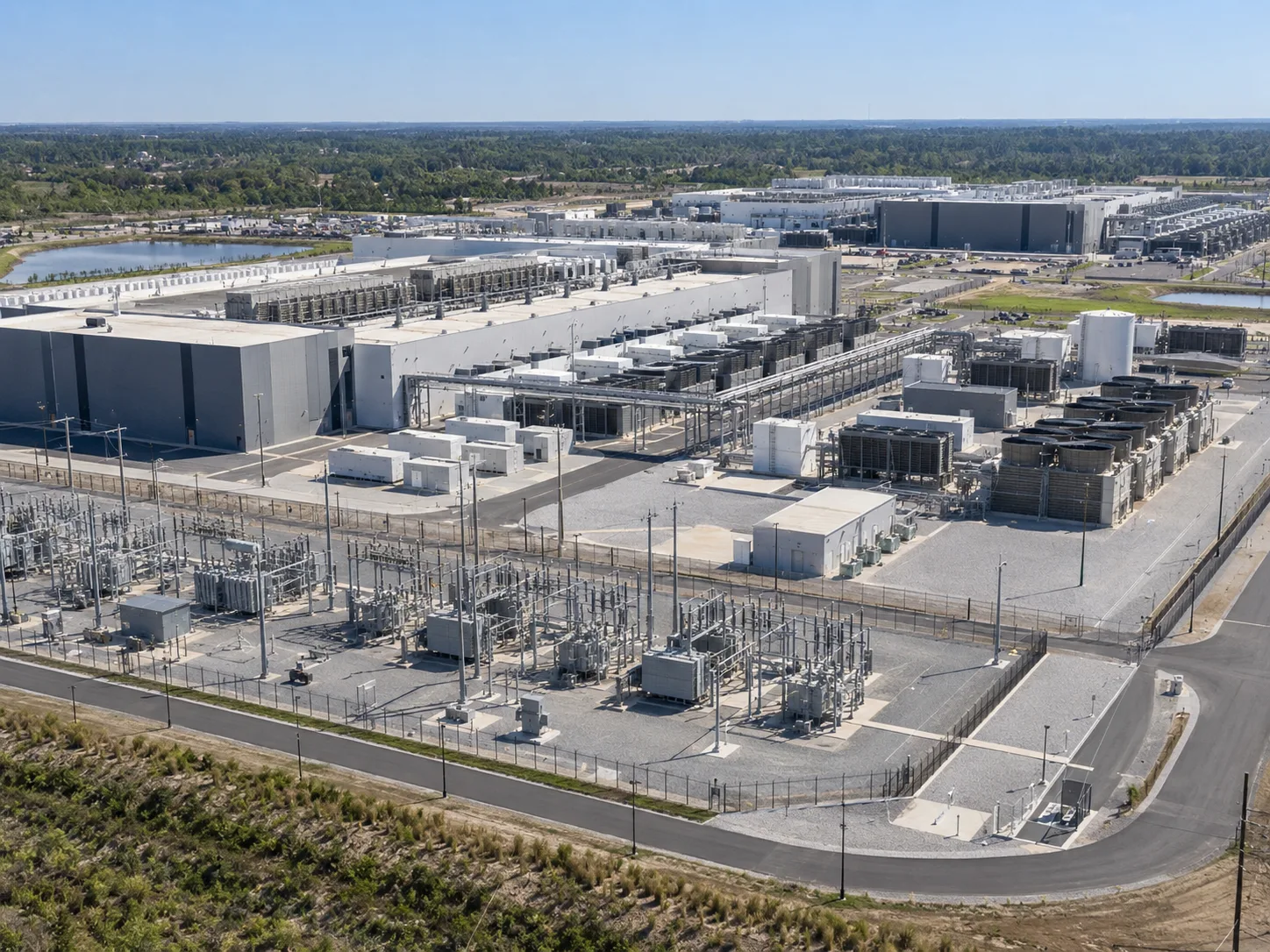
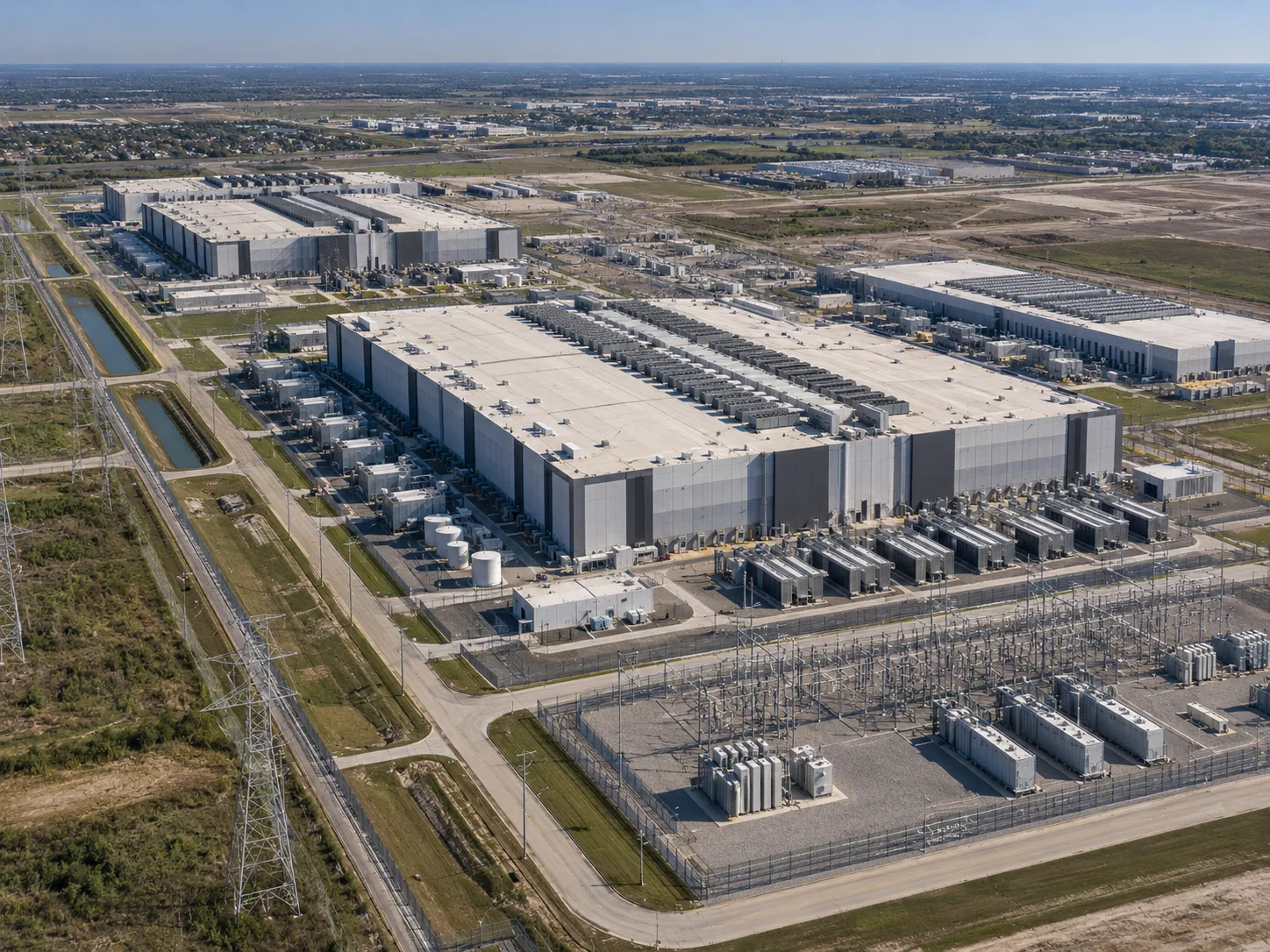
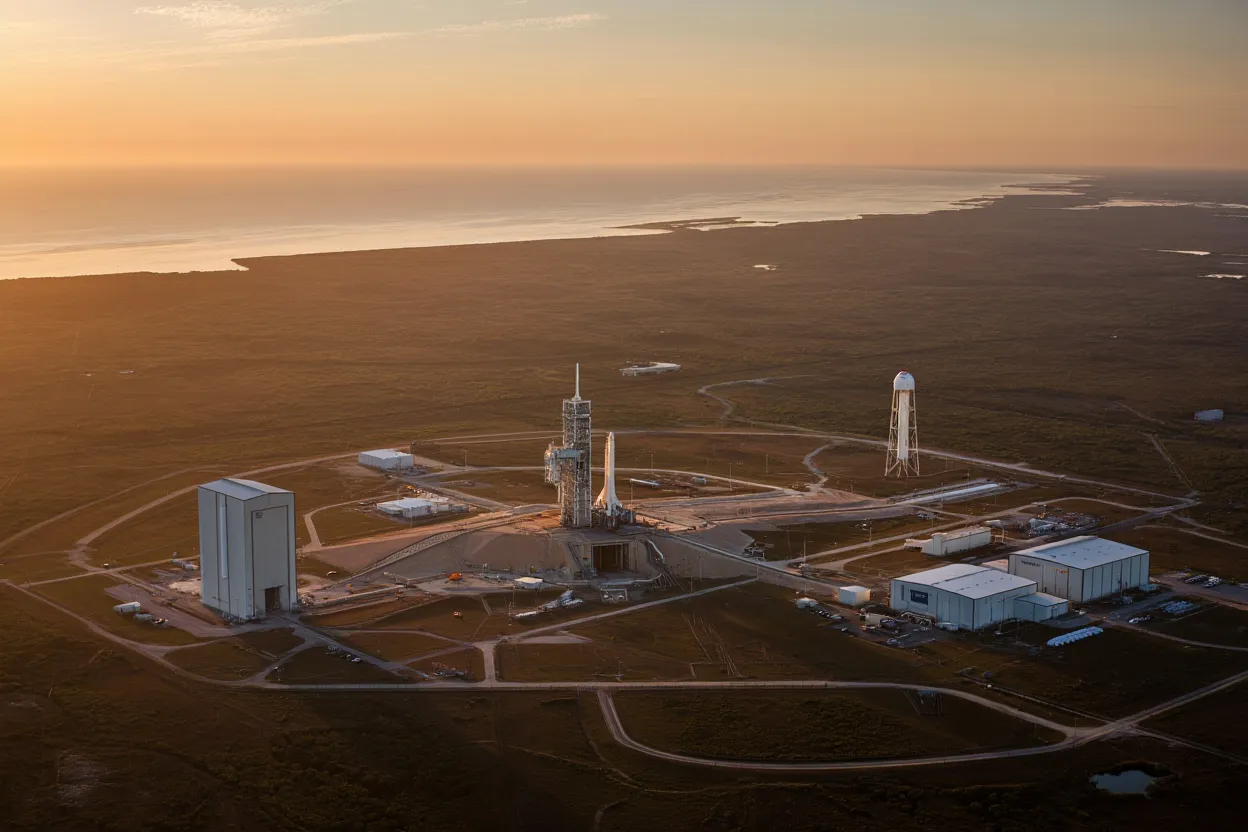
Florida’s NASA Kennedy Space Center and Cape Canaveral, underpinned by a cumulative $1.8B in capital investment, support rocket launches and refurbishment, with additional capacity coming online at Vandenberg in California and new industrial developments in Tennessee and Mississippi. For AI, xAI (merged with SpaceX in 2026) drives operations from nearly 200,000 SF in Palo Alto, and three Memphis-area data centers totaling nearly 900,000 SF, backed by both city incentives and controversy over power sourcing.
Rocket Real Estate Arms Race
The breadth of SpaceX’s holdings dwarfs most other corporate occupiers in CRE. Its Redmond satellite facilities rival Amazon’s Project Kuiper and Blue Origin, giving Washington’s space sector a competitive edge. Meanwhile, the Bastrop semiconductor plant—a planned 22,000-acre “Terafab” campus with up to $119B in potential outlays—illustrates scale unprecedented even among tech giants. SpaceX’s approach mirrors the vertical integration seen with Tesla gigafactories but goes further by embedding manufacturing, R&D, and residential uses at each hub.
Spaceports like Kennedy, Vandenberg, and Starbase interlace public-private partnerships with state and local incentives. The Memphis and Southaven data centers position SpaceX as a power user in energy markets and a direct competitor with hyperscale landlords, with knock-on impacts for nearby office, industrial, and logistics plays.
Why It Matters
SpaceX’s IPO shines a spotlight on how closely business ambition now tracks real estate strategy. That strategy spans advanced manufacturing, aerospace, and AI. The S-1 makes this clear. Every major business line relies on physical assets near talent, rules, and infrastructure. Broader momentum around space-based data centers has also pulled Google into the same infrastructure race. SpaceX uses ownership at Starbase, Bastrop, and Grimes County. It also uses flexible leases in Hawthorne, NASA’s 39A pad, and Memphis data centers. This mix helps it manage risk, expand fast, and anchor new company towns.
For CRE professionals, SpaceX’s playbook—targeting places adjacent to legacy aerospace, high-talent clusters, and energy production—signals new appetites beyond traditional corporate offices. Notably, new markets like South Texas and rural Grimes County have attracted nine-figure investments and 100% tax abatements, per local commission records. At the same time, regulatory hurdles, from environmental concerns at Starbase to lawsuits over AI facility emissions in Memphis, show that scale brings new scrutiny.
Market ripple effects are substantial. In Hawthorne, SpaceX employs over 6,000 and is still acquiring infill parcels for future use. In Florida, rocket infrastructure investments create hundreds of jobs and help further reposition the Space Coast as a national innovation corridor. Meanwhile, the push into Tennessee and Mississippi reflects the importance of regional power and connectivity in high-density tech sectors, opening the door to non-coastal CRE boomlets. According to Avison Young and CoStar data, SpaceX’s mix of site ownership and leasing gives it flexibility as business needs evolve.
What’s Next
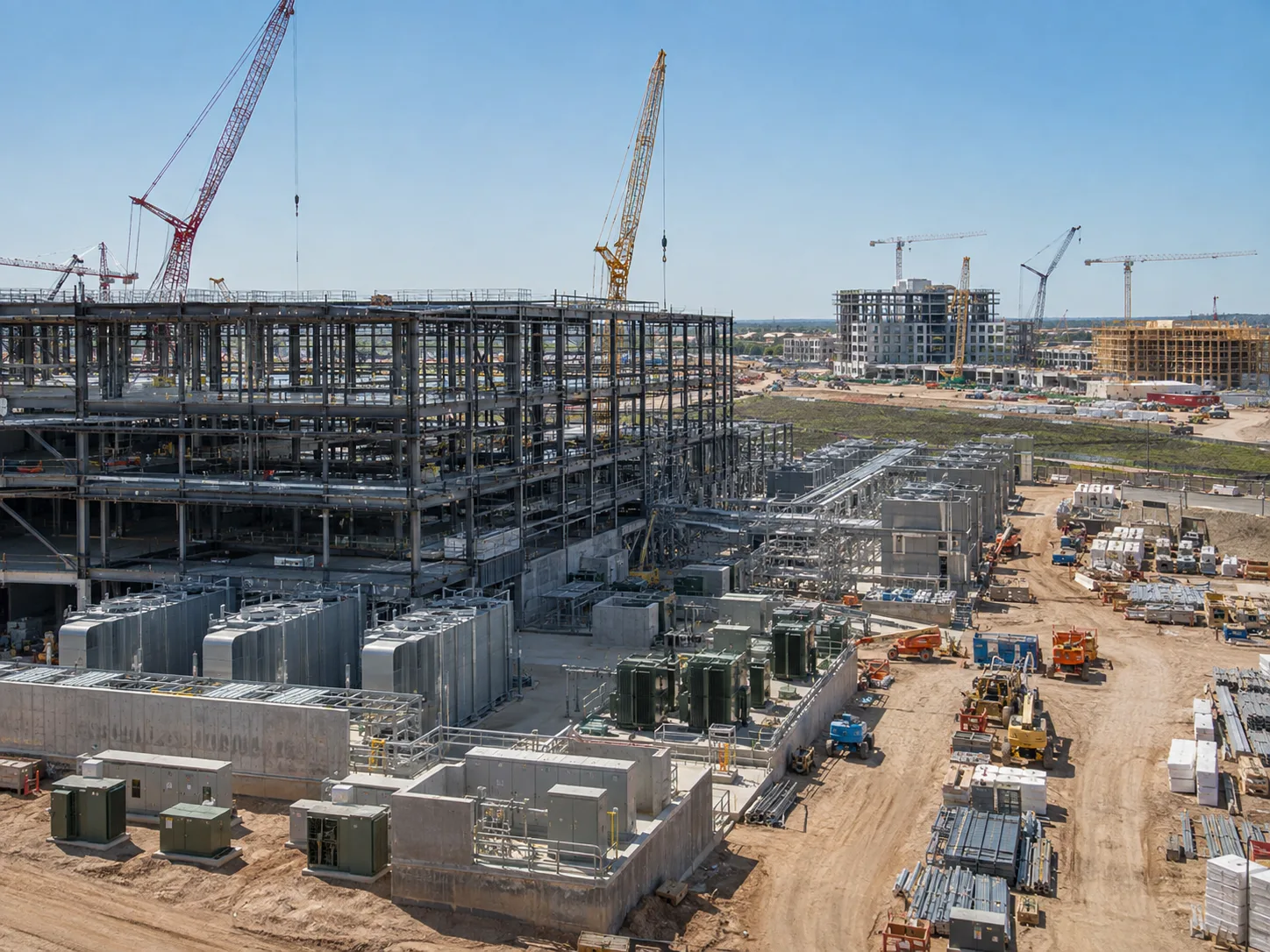
With its S-1 laying out unprecedented plans—like orbiting data centers and a terawatt-scale fab—the next chapter depends on how quickly SpaceX can deliver on both technical and physical infrastructure. The company is ramping up hiring in Starbase, Bastrop, and Memphis, and construction is underway at Gigabay in Florida and Terafab in Texas. Regulatory and political headwinds loom, particularly around environmental impact and public incentives.
CRE landlords should expect continued SpaceX demand for large-scale industrial, R&D, and data center space, especially in talent-rich or utility-advantaged markets. Look for ripple effects across regions as suppliers and related tech players cluster near major SpaceX sites. If the company’s growth trajectory holds, it could redraw the US high-tech CRE map far beyond the traditional Silicon Valley-Austin axis.