




- Industrial real estate is entering a new value-add cycle as investors respond to tightening warehouse supply, rising rents, and resilient tenant demand.
- National vacancy plateaued at 7.5% in Q1 2026, but lower delivery volumes and increased leasing signal a shift toward a more landlord-favorable market.
- Secondary and tertiary markets, alongside shallow-bay and multi-tenant assets, are emerging as key targets for capital seeking yield and rent growth.
Tight Supply Reshapes Opportunity
The Commercial Observer reports that the once supercharged warehouse construction pipeline has cooled, but the underlying fundamentals are lining up in favor of owners and investors with conviction. According to Commercial Observer, the industrial sector posted 145M SF in national leasing activity in Q1 2026—up nearly 18% year-over-year—while new supply fell to just 55.7M SF, the lowest quarterly addition since early 2017. National vacancy held steady at 7.5%, a figure expected to decrease as absorption outpaces new deliveries. Rent growth, after a multi-year plateau, is inching up again. The result: a classic value-add moment, with investors shifting their focus from oversupplied new development to the creative repositioning of existing facilities.
Get Smarter about what matters in CRE
Stay ahead of trends in commercial real estate with CRE Daily – the free newsletter delivering everything you need to start your day in just 5-minutes
The Details
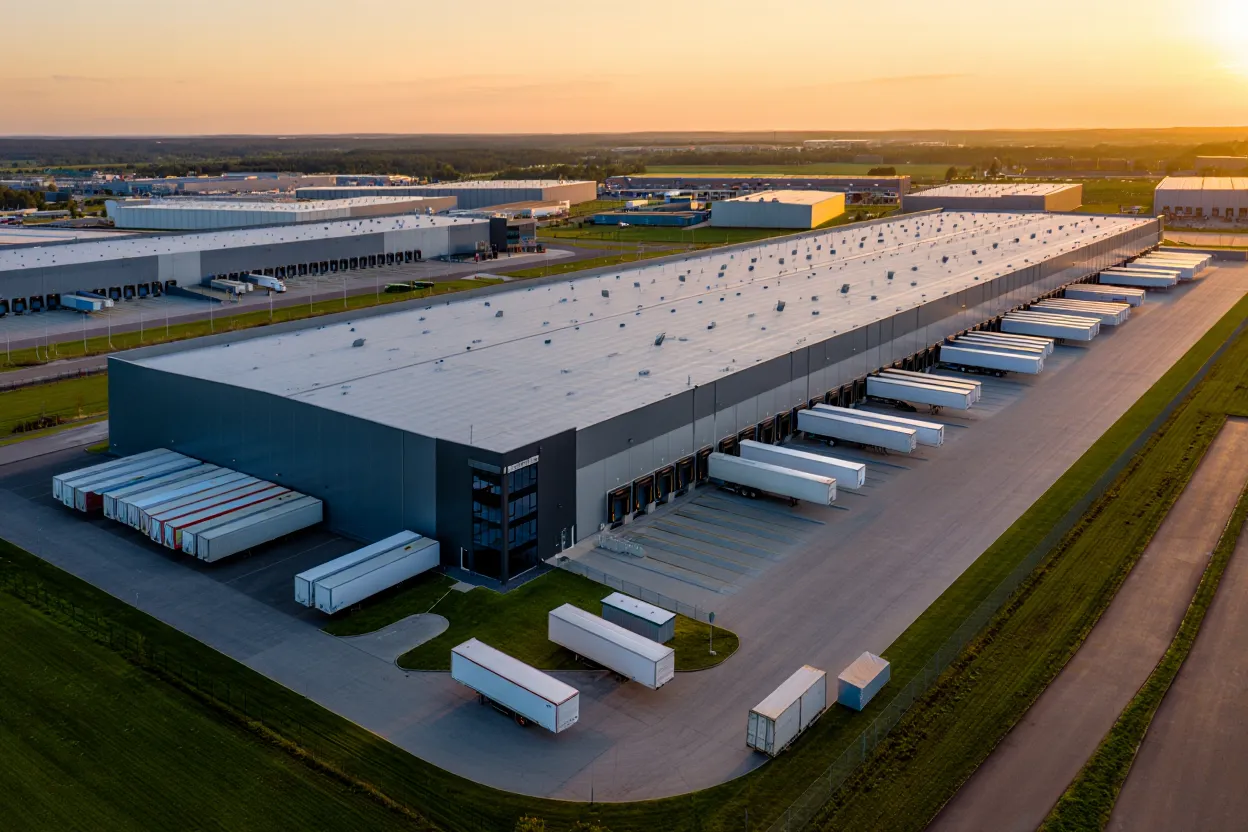
Institutional investors like BGO, MCA Realty, and Realterm are actively acquiring and upgrading mid- and large-bay assets in both core and overlooked regions. BGO’s co-CEO John Carrafiell reports that the number of available 1M SF+ warehouses dropped from 50 to 25 in 12 months—indicative of a quickly tightening market. First-quarter investment volume reached $28.6B, surging 36.6% over the same period in 2025. Increasingly, upgrades center on asset-specific improvements: new truck courts, electrical capacity for automation, flexible bay configurations, and specs attractive to tenants consolidating footprints after merger activity. Landlords, buoyed by loan maturities forcing early-decade buyers to sell, see mark-to-market potential as rents start climbing again.
Investor Appetite Shifts Upmarket and Outward
The value-add strategy is drawing more buyers as supply tightens and tenant consolidation boosts demand for flexible space. JLL reports growing interest in shallow-bay and multi-tenant facilities. Investors largely overlooked these assets during the build-to-core boom. Now, buyers increasingly target them across the Northeast and Western US.
Investors also are expanding beyond traditional big-box hubs like Chicago, Dallas, Inland Empire, and New Jersey. Those markets captured 42% of Q1 leasing activity. However, secondary markets are gaining momentum. Savills’ Zak Mirkowski says even long-term tenants in older submarkets are reassessing space needs. Many now seek facilities that improve efficiency despite higher rents per square foot.
Why It Matters
The market is entering a more complex industrial cycle. Investors now benefit from strong submarket insights and targeted upgrades. Two forces are driving value-add activity. Owners are recapitalizing and selling maturing assets. Meanwhile, tenants want better functionality and more power for automation and advanced manufacturing.
JLL estimates that only one-fifth of US warehouse inventory was built since 2010. As a result, much of the existing stock falls short of modern requirements. This preference for upgrading existing assets mirrors trends in other property sectors. Rising costs and limited acquisition opportunities increasingly favor targeted capital improvements over large portfolio purchases. BGO uses AI to analyze 2,500 US submarkets and identify opportunities. The firm expects the top-performing quartile to achieve up to 30% rent growth over five years. Rising first-quarter rents, record-low deliveries, and three years of investment growth support the sector’s strength.
Reshoring, expanding chip manufacturing hubs, and federal tax incentives continue to favor upgrades over new development. Investors also point to chipmakers, data centers, cold storage operators, and solar manufacturers as reliable demand drivers. Despite economic uncertainty and post-pandemic supply challenges, industrial real estate remains a durable growth sector. However, investors now focus more on asset-level improvements and market-specific repositioning strategies.
What’s Next
Value-add buyers will likely remain active through 2026, hunting for assets in both core and emerging submarkets where tenant demand outpaces supply. BGO’s data-driven approach, targeting submarkets with projected outsized rent growth, highlights the market’s evolution toward precision investment strategies. With federal incentives and shifting logistics networks favoring modernization, shallow-bay and midsize properties will continue to attract capital. Expect continued consolidation, a focus on infrastructure upgrades (especially for power and automation), and a broadening geographic scope as both owners and tenants adapt to the new industrial landscape.