




- AI office leasing drives as much as 20% of major US city office demand, especially in San Francisco.
- AI companies are opting for long-term leases and expanding their footprints, particularly in Class A properties.
- Automation tied to AI prompts some firms outside the sector to trim space needs, though this trend is not yet dominant.
- A permanent shift to premium space persists, with older offices facing increased risk of obsolescence.
AI Spurs New Office Demand
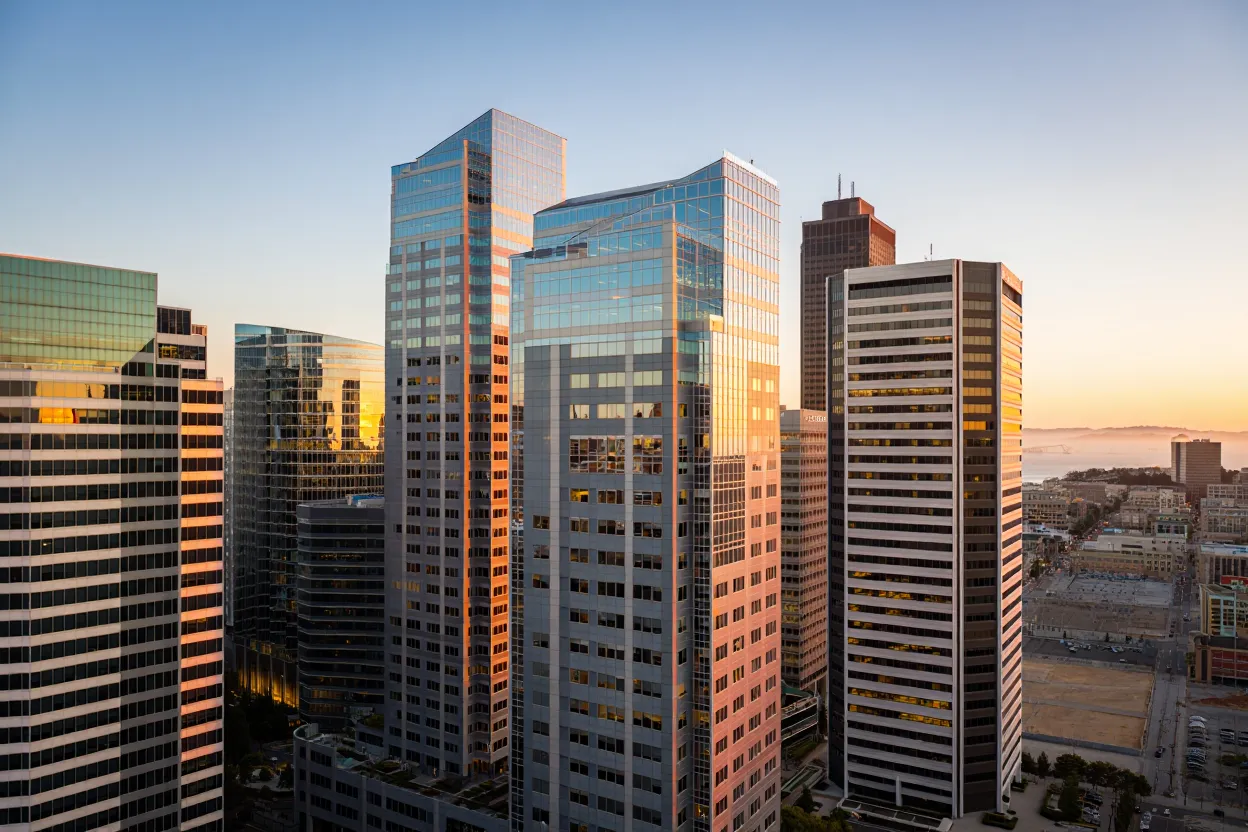
AI office demand is reshaping the US leasing landscape. According to CoStar, companies like OpenAI, Anthropic, and Nvidia now account for about 20% of recent major leases nationwide, leading activity in cities such as San Francisco and driving down vacancies. San Francisco alone has seen AI firms take half of all major leases since the start of 2026, boosting the local market well beyond 5M SF and projected to reach 15M SF in four years.
Premium Space in Focus
AI office tenants are targeting top-tier properties. Despite some tech giants like Amazon downsizing, AI firms are leasing more space and committing to longer terms. Average deal sizes have grown, and trophy office projects, such as BXP’s 930 KSF development at 343 Madison Ave. in New York, are reporting extended lease durations. This flight-to-quality has become a lasting market fixture since the pandemic.
Get Smarter about what matters in CRE
Stay ahead of trends in commercial real estate with CRE Daily – the free newsletter delivering everything you need to start your day in just 5-minutes
Looming Risks and Industry Shifts
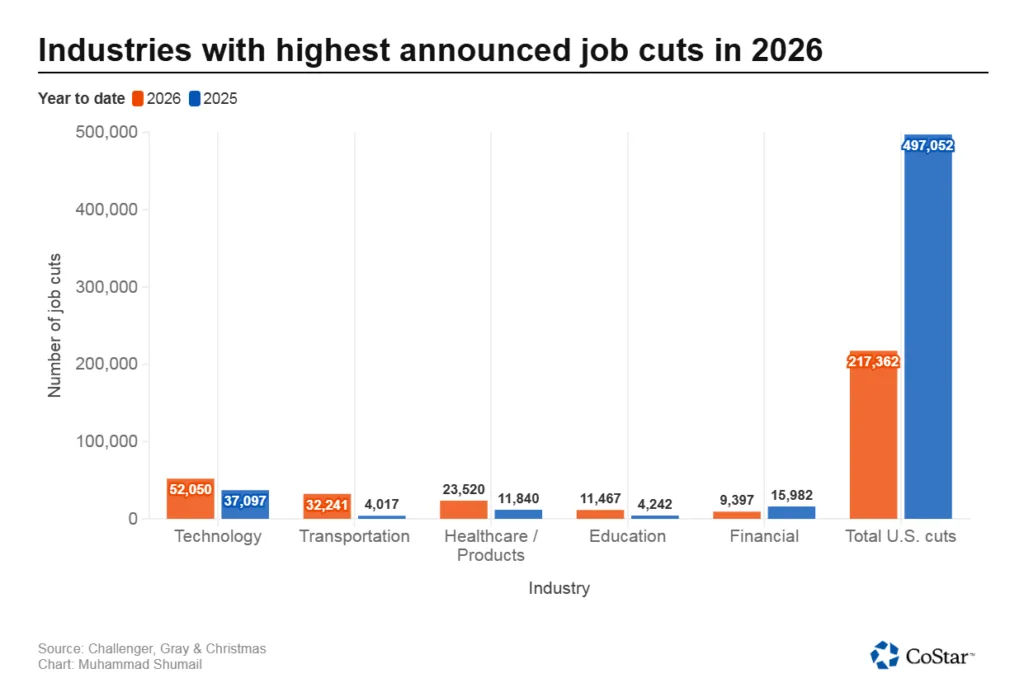
While strong AI office growth buoys select segments, automation is driving job and space cuts among non-AI companies. Firms including Salesforce and Meta are making layoffs they attribute to AI-driven efficiencies, though the broader impact on leasing volumes remains unclear. At the same time, rising operating costs—particularly insurance—are starting to pressure property performance in certain markets, adding another layer of risk for owners already navigating shifting tenant demand. Major landlords report that tenants are still signing new leases for premium space, suggesting no immediate threat to overall demand.
What’s Next for Office Market
AI office expansion is fueling a bifurcated market. Modern, high-end buildings see increased interest, while commodity office space continues to face demolition or conversion pressures. Experts expect AI to further emphasize this divide, with landlords focusing investments and leasing efforts on quality assets in gateway markets. For now, AI is a key lifeline for office leasing, but it also signals a shift in demand patterns and tenant priorities nationwide.