




- Affordable housing tax breaks in NYC now favor buildings with fewer than 100 units.
- Developers are dividing larger projects into interconnected structures, each capped at 99 units, to bypass stricter requirements.
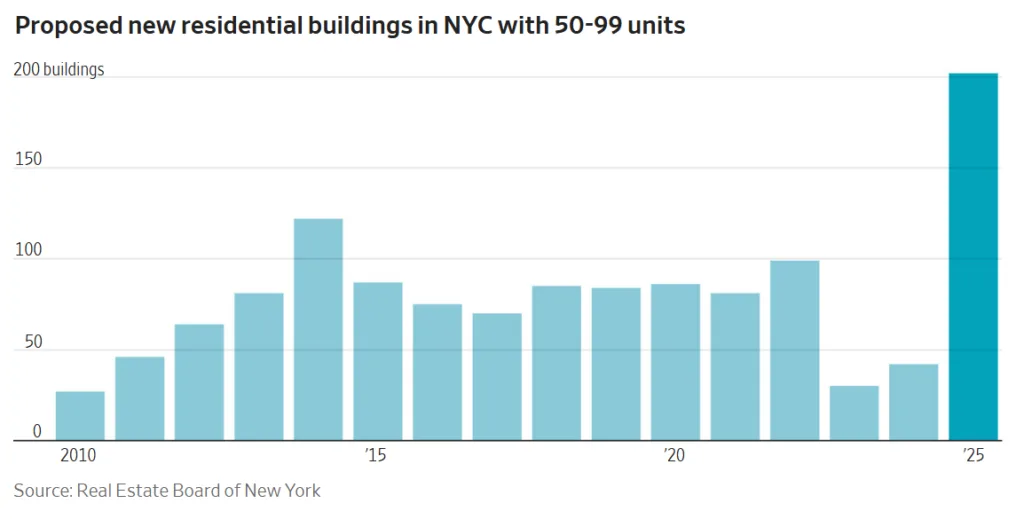
- Permit filings for 50-99 unit buildings have tripled since the new 485-x program began in 2024.
- Critics argue the practice circumvents the intent of the affordable housing program.
Affordable Housing Incentives Reshape Design
New York City developers are rapidly adopting a new strategy for affordable housing projects: structuring multifamily complexes as clusters of 99-unit buildings, reports The WSJ. This design workaround comes in response to the city’s 485-x affordable housing program, which offers tax breaks and fewer wage and unit restrictions for projects under 100 units.
Creative Approaches to Maximize Benefits
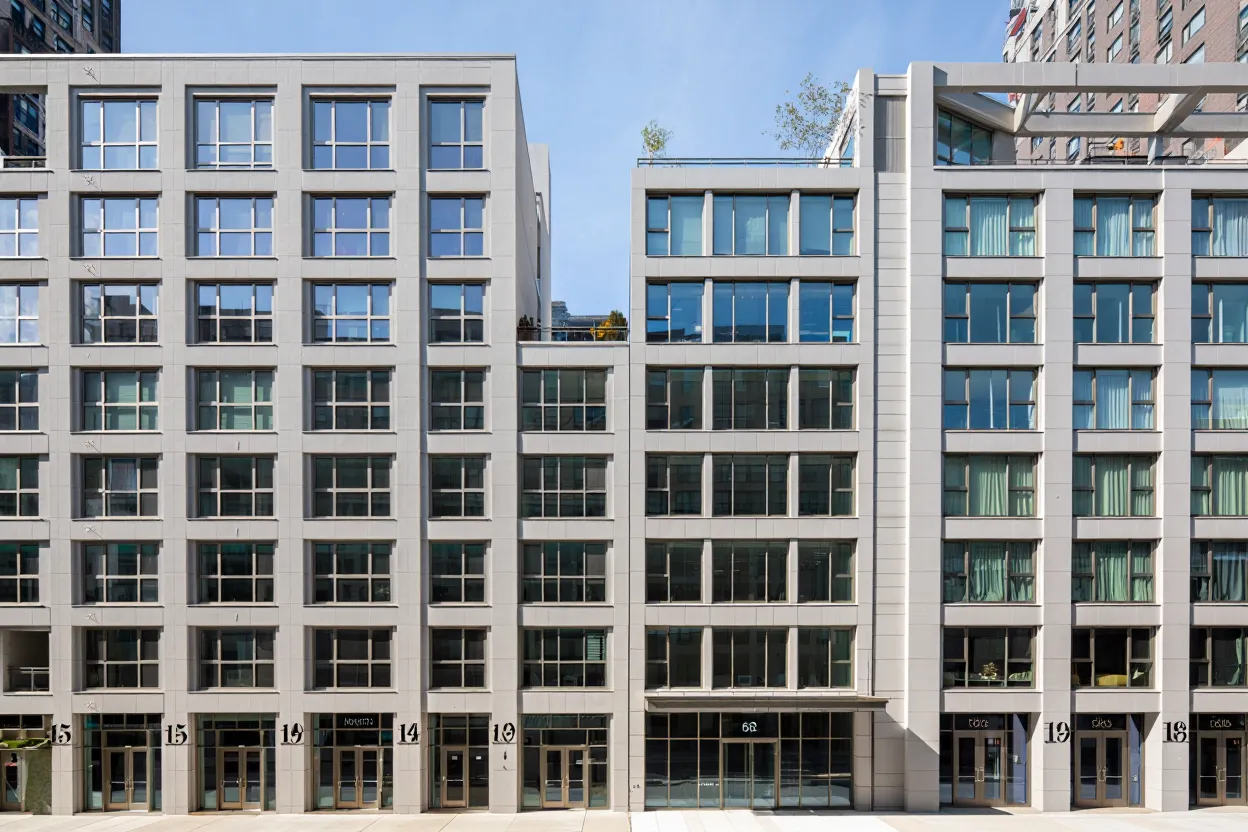
To access the favorable incentives, developers have started breaking up larger apartment projects on paper while physically connecting them through shared facades, hallways, and amenities. Each 99-unit component must still have separate entrances, lobbies, and elevator shafts, resulting in additional costs but allowing developers to avoid higher labor expenses and stricter affordable housing quotas required for 100-plus unit buildings, a strategy increasingly tied to efforts to manage rising construction and labor costs across new developments.
Get Smarter about what matters in CRE
Stay ahead of trends in commercial real estate with CRE Daily – the free newsletter delivering everything you need to start your day in just 5-minutes
Record Permit Applications and Industry Response
This trend has accelerated, with 202 permit applications for 50-99 unit buildings filed in 2025 alone—three times the annual average seen from 2020 to 2024, according to the Real Estate Board of New York. The majority of these projects are located in Brooklyn, the Bronx, and Queens, where larger land parcels are available.
Why It Matters
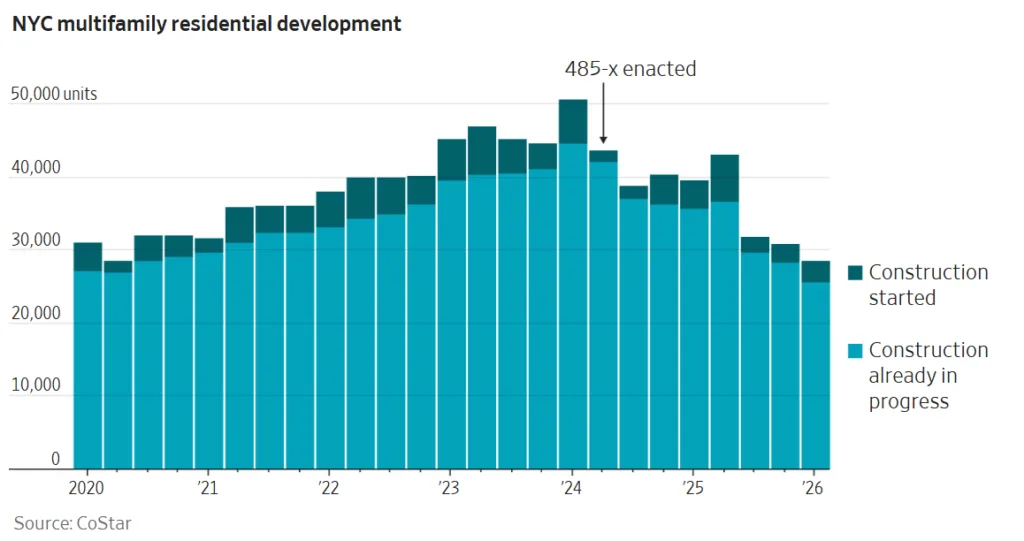
Affordable housing advocates and labor unions argue this practice undermines the spirit of the 485-x tax program by dodging both union wage requirements and the construction of more affordable units. City officials acknowledge concerns but say changes would require action by the state legislature. Meanwhile, developers counter that the costs of doing business in New York make the 99-unit approach a financial necessity, especially given the steep decline in multifamily construction starts following enactment of the new law.