




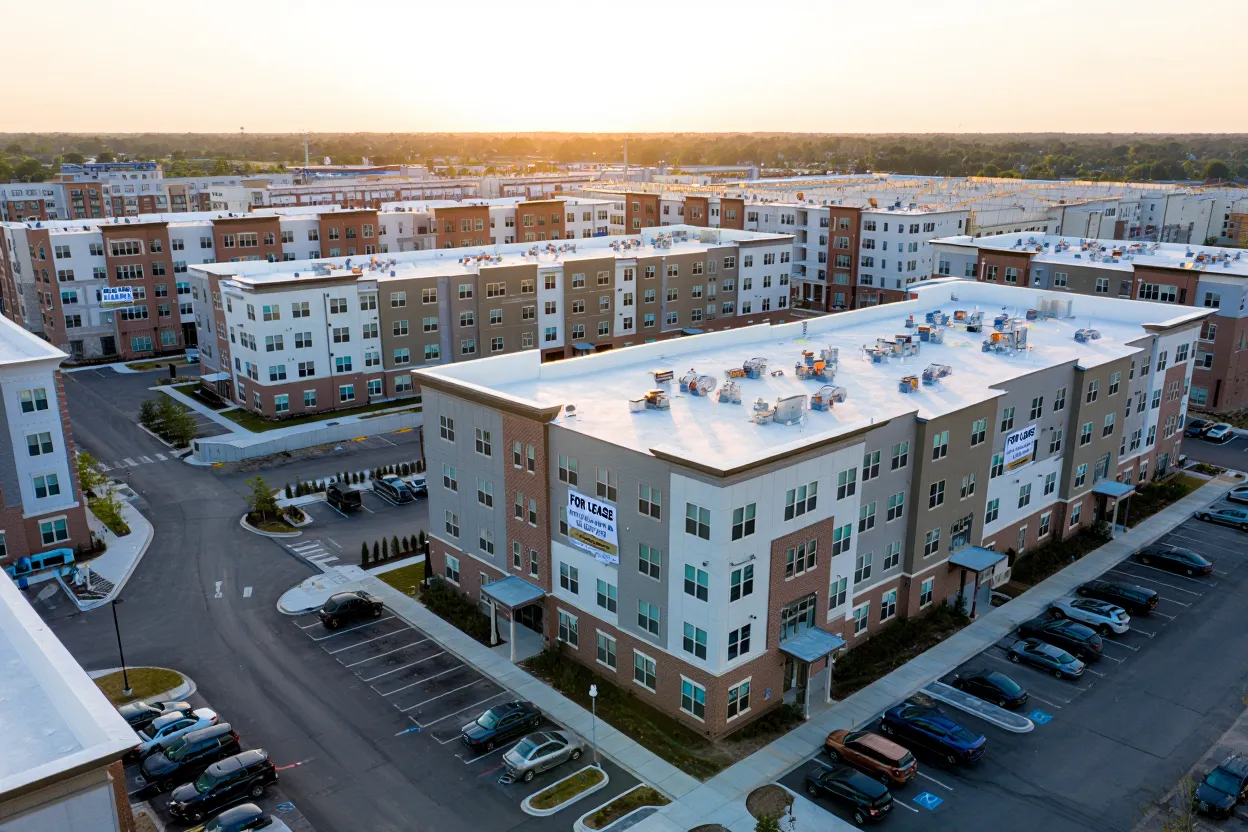



- Multifamily absorption hit 90,000 units in Q1 2026, yet vacancy remains elevated from earlier supply waves.
- New multifamily supply dropped below 80,000 units for the first time since 2018, but lingering pipelines persist in some regions.
- Rent growth is flat to slightly positive nationally, with concessions still common in high-supply markets.
- Expectations for a rapid multifamily rebound have yet to materialize as pricing power rebuilds slowly.
Supply Shift Slows Recovery
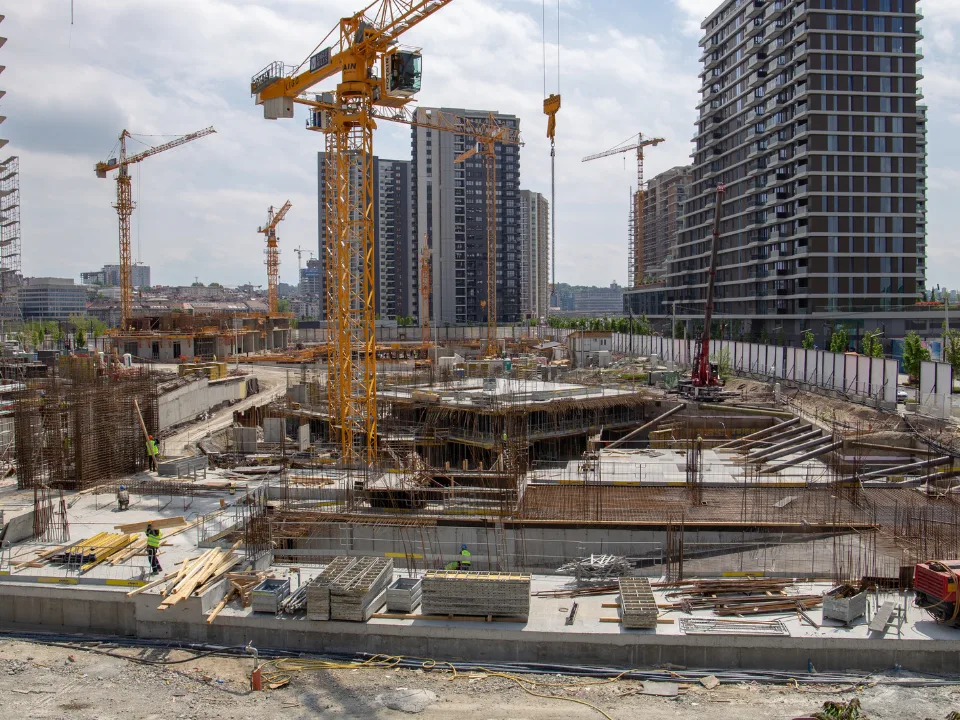
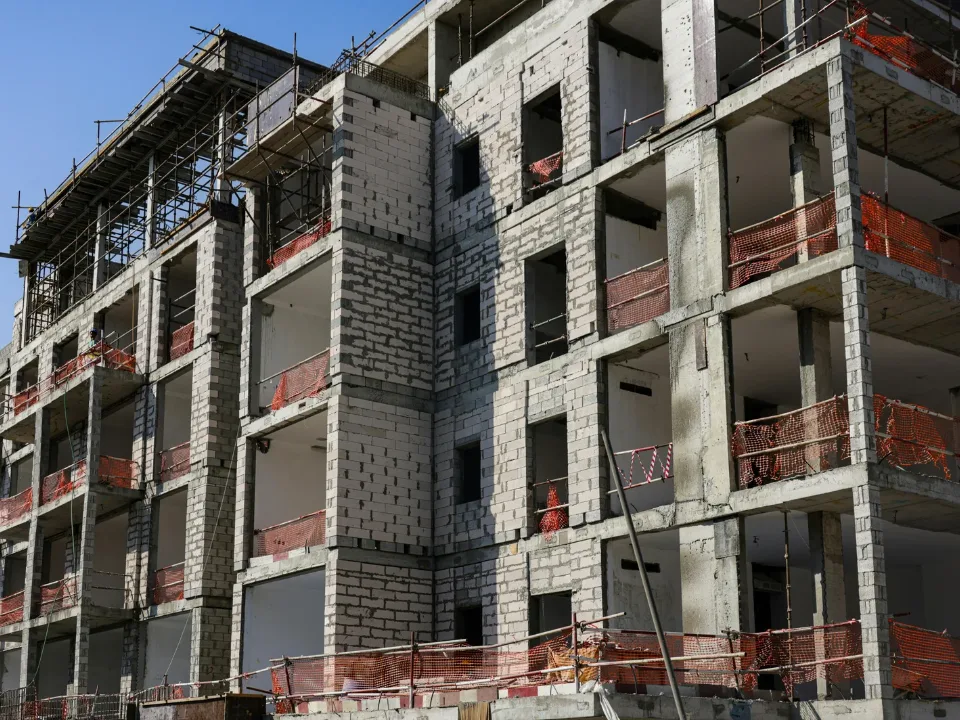
Globe St reports that the multifamily market entered spring 2026 with cautious optimism as absorption reached 90,000 units in Q1, but supply from the 2023–2025 boom is still impacting vacancies. According to housing economist Jay Parsons, national deliveries fell to about 75,000 units. That is more than 50% below the 2024 peak. However, past oversupply still affects many markets. The impact is most visible across the Sun Belt and Mountain regions. Some submarkets continue to lag. Phoenix’s West Valley shows slower absorption. Parts of Charlotte and Southern California face similar delays.
Demand Steady, Pricing Power Weak
Demand for multifamily remains positive despite headwinds such as weak job growth and economic uncertainty. Effective rents increased just 0.46% nationally between February and March, below typical seasonal averages, and rent growth has been minimal or flat over the past three years. Even so, rent levels have shown signs of stabilization in recent months, holding relatively steady despite elevated supply and ongoing concessions. Concessions are still at their highest levels since the early 2010s, as operators prioritize occupancy over aggressive rent increases.
Investor Expectations Adjust
Many multifamily owners and lenders entered 2026 anticipating a sharp rebound as new supply tapered. Instead, the sector is seeing a slower path: modest occupancy and rent gains, extended lease-up periods, and persistent discounts. Parsons suggests a true recovery in multifamily trends will require a sustained reduction in concessions and gradually improved pricing power. For now, investment committees are recalibrating expectations as the market faces a longer recovery timeline than initial business plans projected.
Get Smarter about what matters in CRE
Stay ahead of trends in commercial real estate with CRE Daily – the free newsletter delivering everything you need to start your day in just 5-minutes