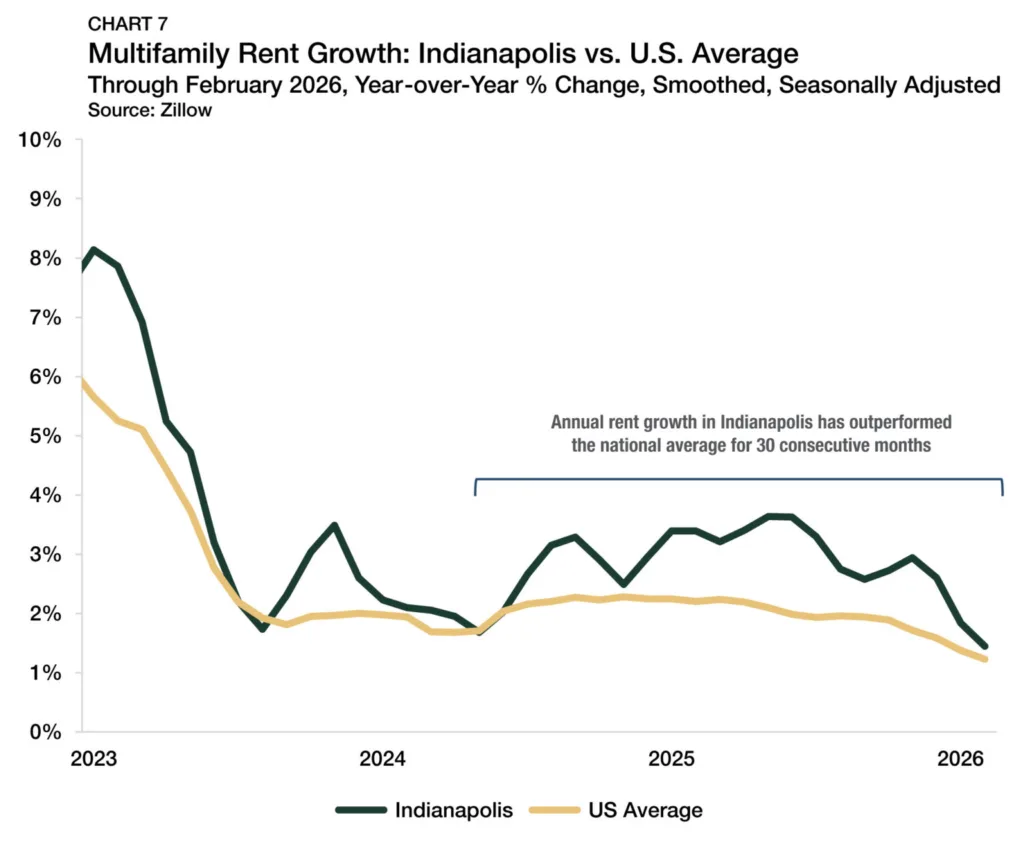




- Indianapolis ranked as the top multifamily investment market for Spring 2026.
- Midwestern metros continue to offer stability, affordability, and steady demand.
- Sun Belt and Mountain West cities show strong demographic and economic growth.
- Affordability remains critical, driving demand shifts across US regions.
Stability and Growth in Top Multifamily Markets
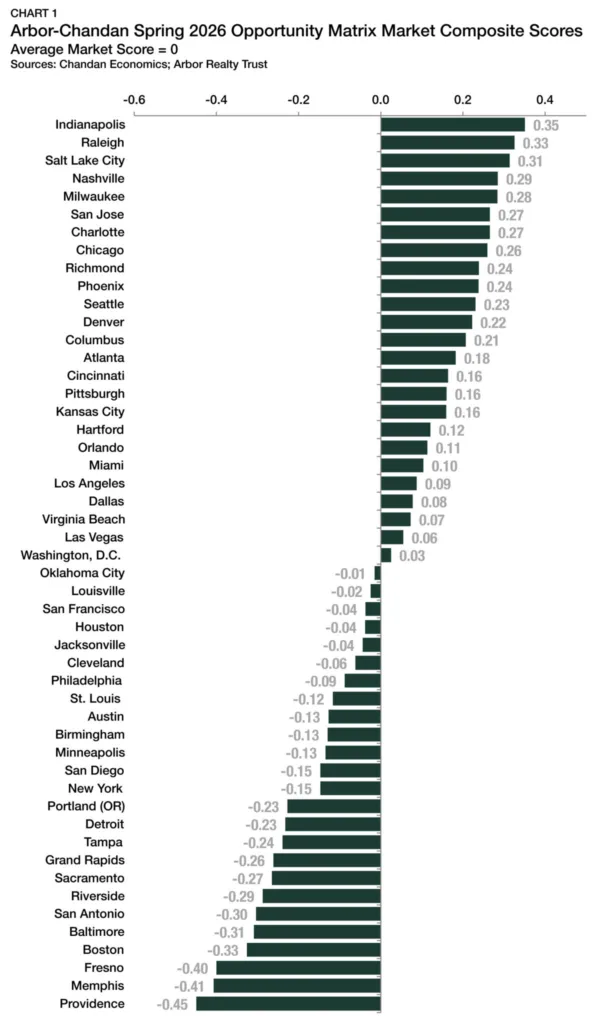
Multifamily investment continues to stand out across the US, supported by resilient renter demand and stable operating conditions in key cities. The Spring 2026 Arbor Realty Trust–Chandan Economics Multifamily Opportunity Matrix ranks the nation’s 50 largest metros to identify the most attractive areas for investment. This latest release highlights Indianapolis as the leading market, driven by strong labor dynamics, exceptional occupancy gains, and competitive affordability.
Midwestern cities cement their position as reliable performers, while the Sun Belt and Mountain West regions show substantial growth potential, benefiting from demographic shifts and economic expansion.
Investor Momentum Builds in the Midwest
Indianapolis tops the multifamily investment list thanks to a balanced economy, robust rental absorption, and high occupancy rates. Other Midwest metros—such as Milwaukee, Chicago, Cincinnati, and Columbus—also rank highly, owed to their attractive yields and the region’s stable labor markets.
- Steady demand, drawn from diversified employment bases including healthcare and manufacturing, supports resilience in these markets.
- Affordability and strong cash flows remain core advantages for investors focusing on the Midwest.
Sun Belt and Mountain West Draw Inflows
Sun Belt and Mountain West markets like Raleigh, Salt Lake City, and Nashville feature among the top five, reflecting strong economic and population trends. These metros benefit from sustained in-migration, a younger renter base, and employment growth in technology and advanced manufacturing sectors, with adjacent property sectors in these same regions also seeing accelerated expansion as population inflows continue to reshape demand patterns.
- Renter demand remains strong, even as new supply expands.
- These markets offer long-term growth opportunities fueled by demographic momentum.
Get Smarter about what matters in CRE
Stay ahead of trends in commercial real estate with CRE Daily – the free newsletter delivering everything you need to start your day in just 5-minutes
Demand and Affordability Drive Market Dynamics
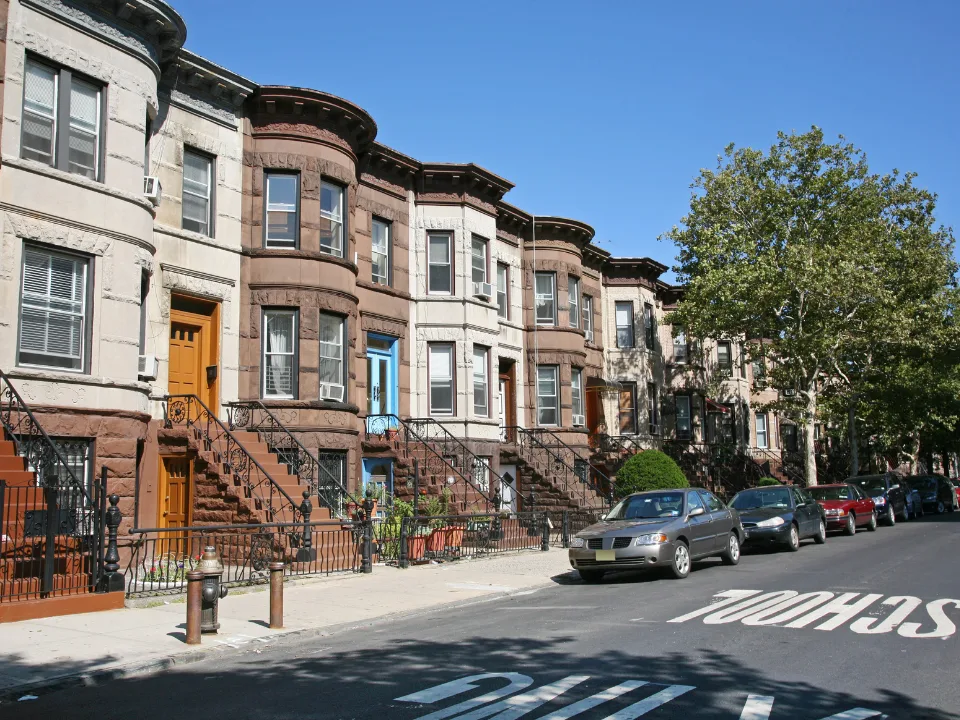
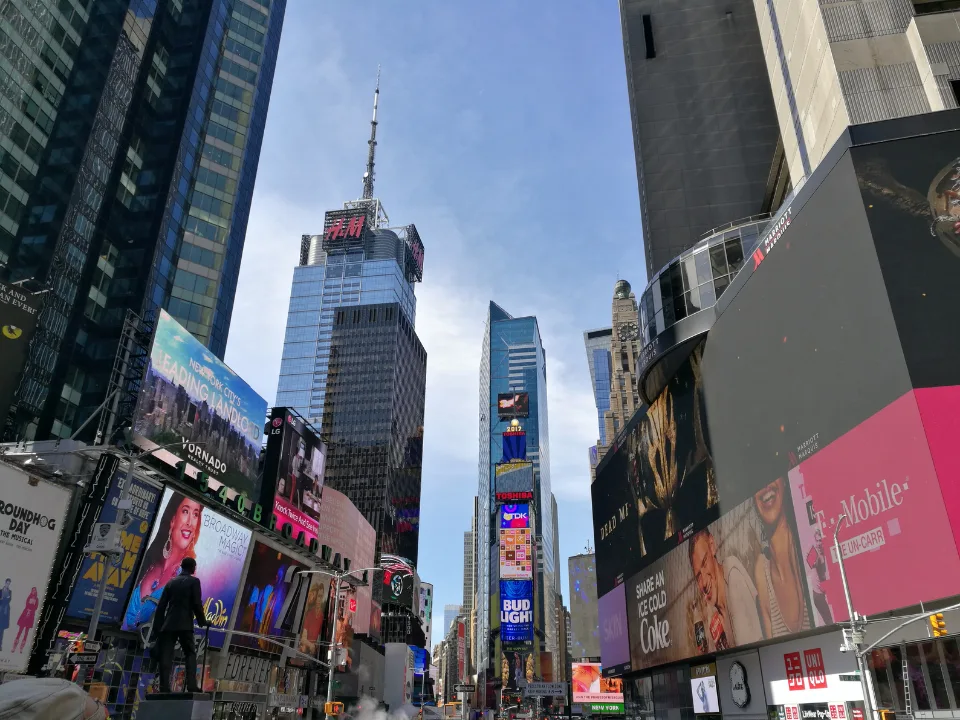
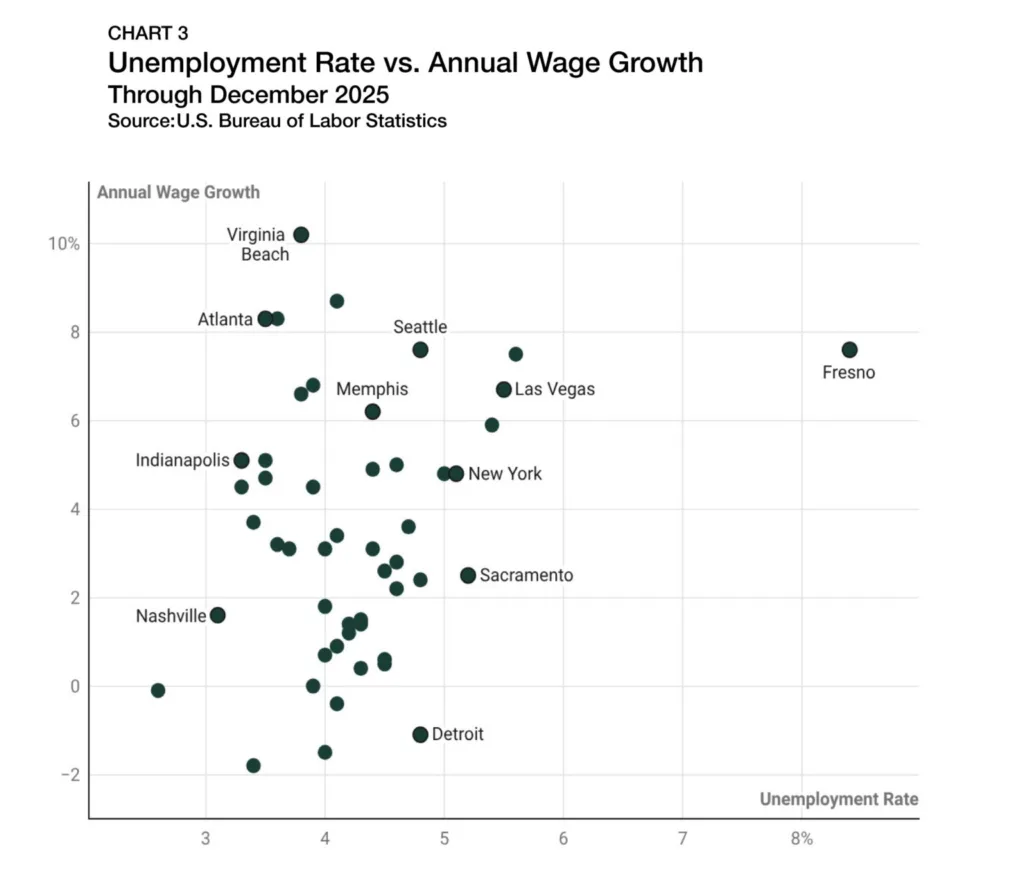
Renter demand in 2026 is strongest in select coastal and gateway markets, aided by stabilized pricing and broader return-to-office activity. Cities like San Jose, Seattle, and Los Angeles saw elevated demand despite higher costs, but affordability remains a key differentiator. Midwest and Southern metros led on accessibility, while high-cost markets such as New York and San Jose continue to have the highest income requirements for renters.
- Affordability is now a leading factor shaping migration and investment trends.
- Markets with balance between rent levels and economic stability offer the most consistent performance.
Outlook for Multifamily Investors
Operating conditions have stabilized following recent supply surges, with nearly 90% of major US metros posting annual rent gains. While national job growth has slowed and population trends are moderating, the multifamily sector is positioned for steady progress in 2026. Market selection will be crucial, with investors targeting metros where stability, affordability, and structural demand drivers are best aligned.
Multifamily investment in 2026 will increasingly focus on markets that combine resilient rental demand, strong operating fundamentals, and economic momentum, particularly in the Midwest and key Sun Belt areas.