






- Liability insurance premiums for landlords have surged, with some quadrupling since 2020.
- Rising litigation, larger jury awards, and nuclear verdicts are fueling higher costs and coverage exclusions.
- Personal injury law firms’ aggressive marketing is contributing to a spike in claims.
- Landlords, especially smaller owners, face more risk exposure as insurers tighten restrictions.
Litigation Drives Insurance Spike
Commercial landlords across the US are facing rapidly escalating liability insurance premiums and decreased coverage, reports Bisnow. Time Equities, a firm with 43M SF under management, reports premiums for umbrella and excess liability insurance have quadrupled since 2020. Federal tort cases climbed 20% from 2022 to 2024, while premises liability cases increased 25% in the same period, according to industry reports.
Why Costs Are Climbing
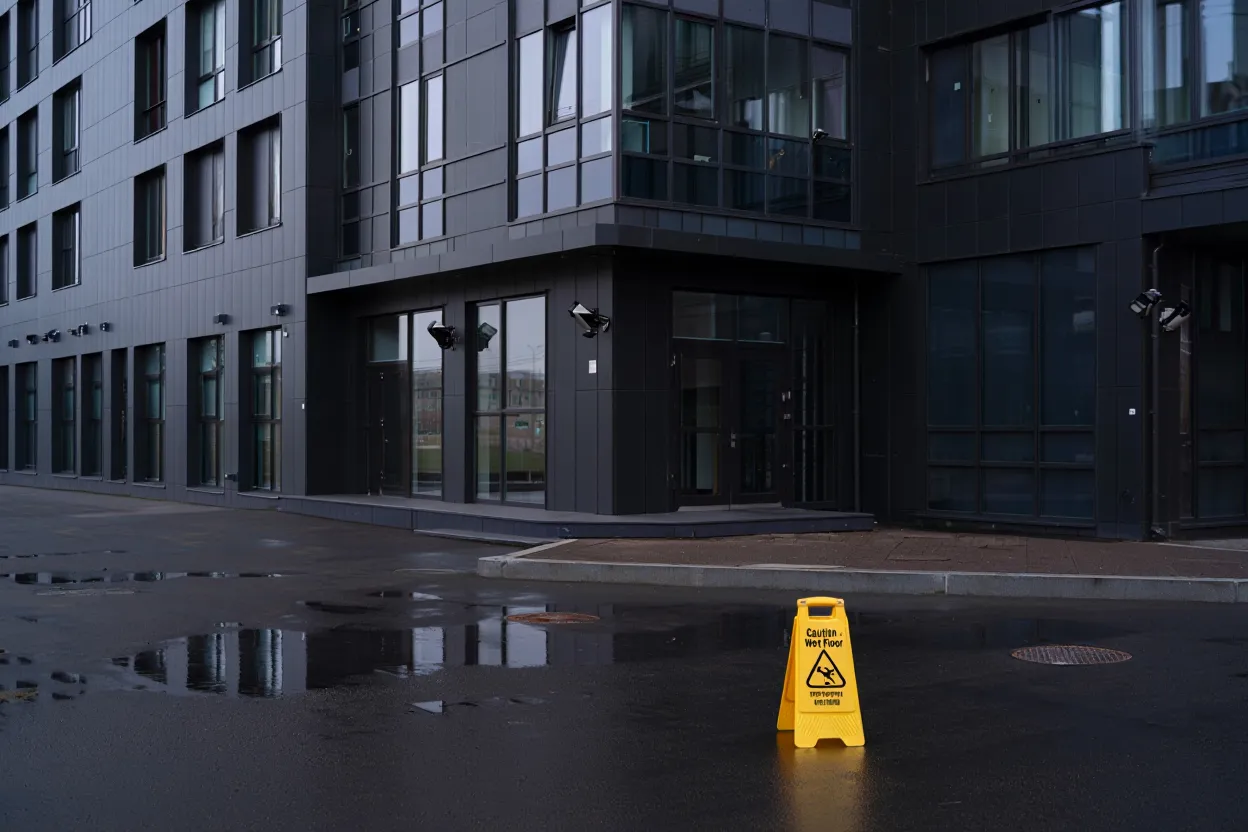
Rising jury awards, more frequent ‘nuclear verdicts’—verdicts over $10M—and aggressive legal marketing are key drivers. Personal injury law firms like Morgan & Morgan are funneling millions into ads, prompting more claims. Severe liability claims on commercial property are up 57% over the last decade. Common incidents include slip-and-falls, elevator accidents, and toxic exposure.
Get Smarter about what matters in CRE
Stay ahead of trends in commercial real estate with CRE Daily – the free newsletter delivering everything you need to start your day in just 5-minutes
Insurers Respond With Higher Rates and Exclusions
Amid the heightened risk, liability insurance costs rose 9% in late 2025, with general liability rates up as much as 30%. Insurers are increasingly restricting coverage, excluding claims related to firearms, sexual abuse, and animal attacks. Properties with high crime scores may become uninsurable. This growing trend of risk being priced in—or kept off balance sheets altogether—mirrors how certain long-term obligations in other sectors are only now starting to surface under tighter scrutiny.
What It Means for Owners
Landlords, especially small operators with less negotiating power, face higher premiums or may need to turn to the surplus lines market for coverage—with even higher prices and more exclusions. Overall property insurance rates have declined recently, but liability insurance remains a growing concern as litigation and jury awards escalate. Monitoring on-site risks and neighborhood crime, alongside robust security measures, can help lower premiums but does not fully offset the heightened liability risk landscape.