







- Over 90% of industrial occupiers plan to maintain or expand logistics space in the next three years.
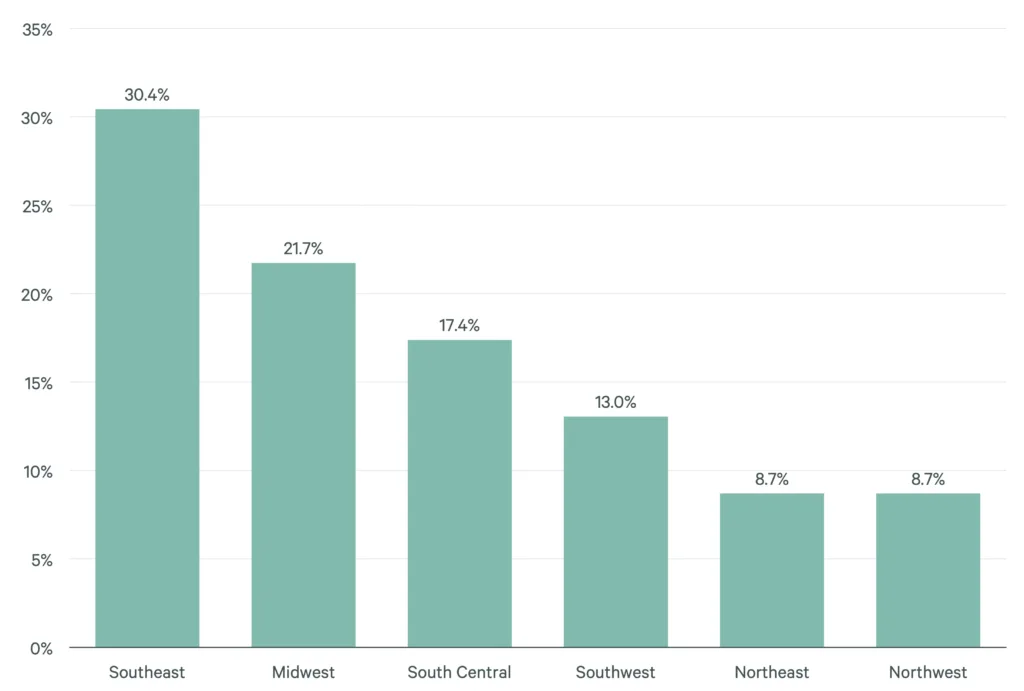
- The Southeast leads as the top region for industrial logistics expansion, followed by the Midwest.
- Occupiers are prioritizing newer, high-quality facilities despite rising rents and costs.
- Third-party logistics (3PL) providers remain a major driver of industrial space demand and bulk leases.
Expansion Drives Industrial Logistics Demand
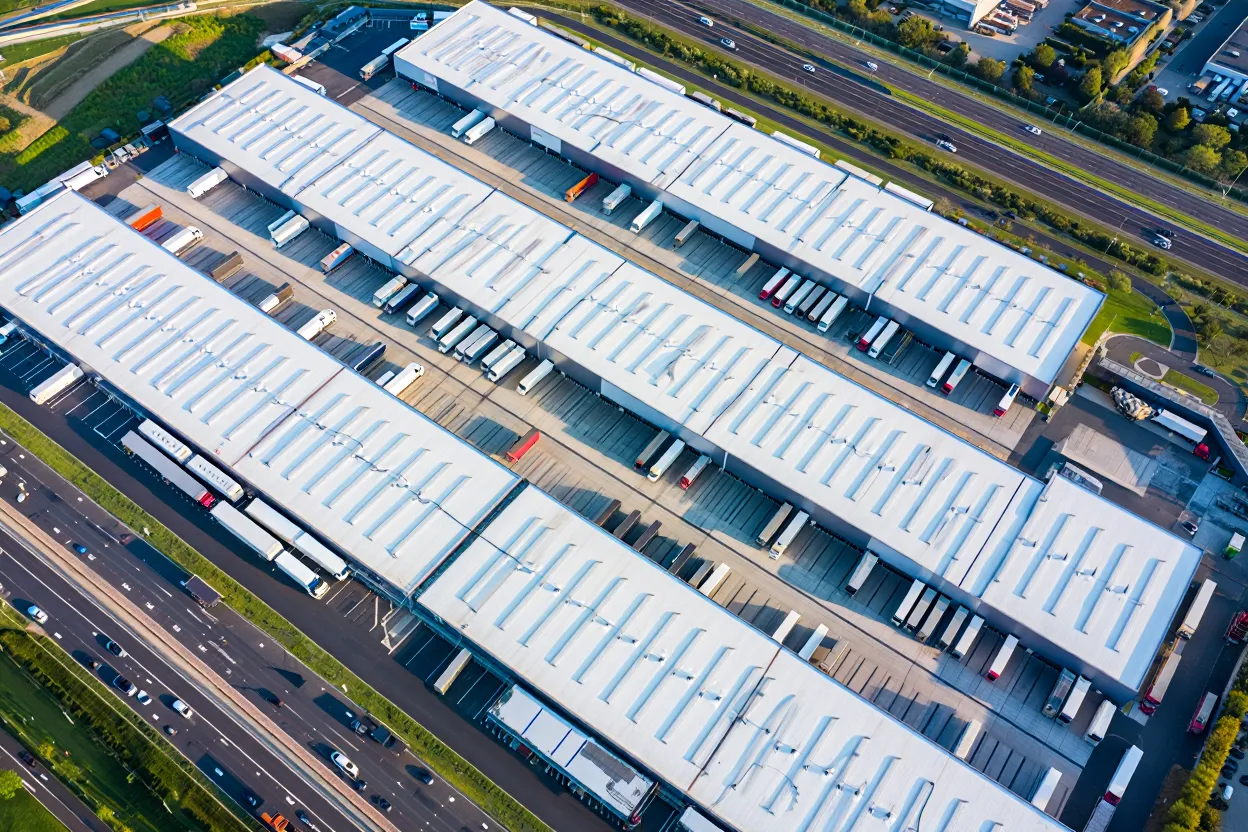
Most US industrial occupiers expect to keep or grow their real estate portfolios through 2026, according to a new CBRE survey. Key factors include a shift toward modern facilities and a rise in use of third-party logistics (3PL) partners. Companies are focusing heavily on the Southeast region, driven by its pro-business climate and access to growing population centers.
This continued appetite for industrial logistics space persists despite ongoing rent increases and higher operating costs. Companies are consolidating older properties and concentrating on efficiency and long-term growth.
Regional Targets and 3PL Momentum
The survey found 30% of occupiers eyeing industrial logistics expansion in the Southeast, with the Midwest a secondary target at 22%. Many occupiers are attracted by new construction and transportation links. Over one-third of respondents also plan to boost their use of 3PLs to streamline distribution and control costs, a trend that has made 3PLs the most active tenant segment for large leases. This aligns with broader warehouse demand trends, where logistics users continue to drive leasing activity across key distribution markets.
Get Smarter about what matters in CRE
Stay ahead of trends in commercial real estate with CRE Daily – the free newsletter delivering everything you need to start your day in just 5-minutes
Manufacturing Onshore, Costs Rise
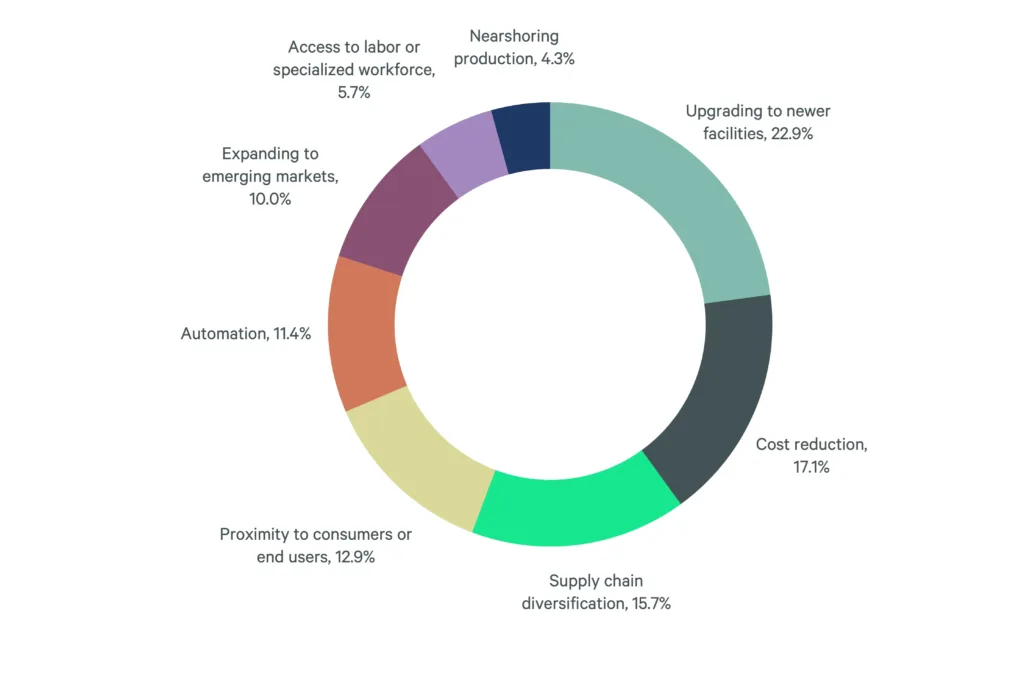
About half of companies with US manufacturing operations are expanding domestically, favoring regions with robust infrastructure and port access. The main drivers are increased resilience and faster delivery—more so than tariff avoidance.
Rising occupancy costs continue to challenge occupiers, prompting many to seek lease flexibility and efficiency. CBRE estimates average rent renewals could jump 27%, with even larger increases in some coastal markets.
Efficiency, Location Key Factors
When making site and building decisions, companies rank space availability in modern buildings, costs, and proximity to major logistics hubs above all else. Reliable power was a lesser concern, though about half expressed moderate worries about grid stability. Artificial intelligence adoption remains limited, with most occupiers not planning near-term integration beyond simple inventory or location optimization.
What’s Next
Industrial logistics demand is set to remain strong, especially in the Southeast and Midwest. Landlords of older assets may need to offer more concessions as tenants weigh rising rents and operational costs. Modern, well-located logistics properties will continue to attract consolidation and expansion from occupiers prioritizing efficiency and long-term strategic growth in a competitive market.