




- Multifamily housing starts rose 10.1% month over month in December 2025, reaching a year-high rate of 402,000 units.
- Despite the December gain, starts were down 1% year over year, and project completions fell 15.9% YOY.
- Combined US housing starts for December hit 1.4M, a 6.2% increase from November but a 7.3% dip versus the prior year.
- Developers face continued challenges from high costs and economic uncertainty, with future growth reliant on interest rate trends.
December Sees Multifamily Jump
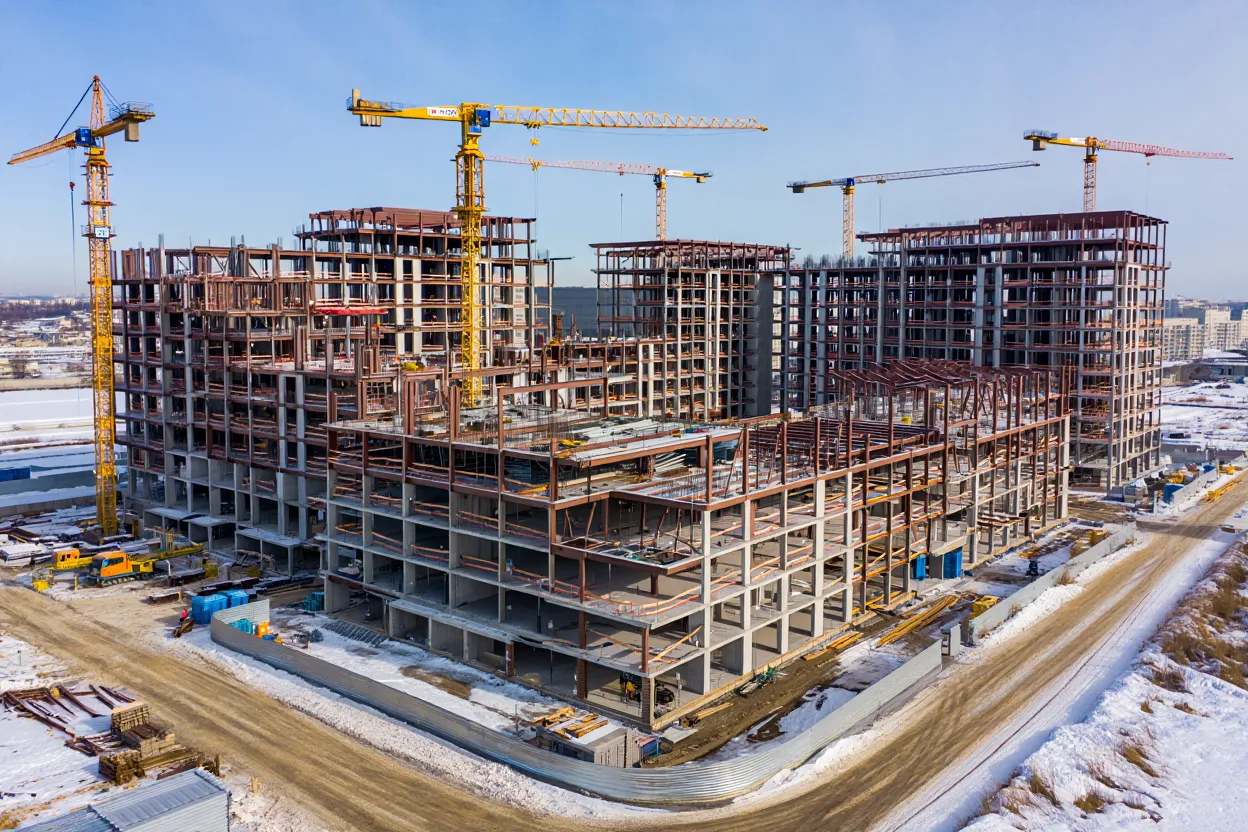
US multifamily housing starts posted the highest level of 2025 in December, according to data from HUD and the Census Bureau. Starts for buildings with five or more units increased 10.1% from November to a seasonally adjusted annual rate of 402,000, although this was still 1% below December 2024 levels, reports Multifamily Dive.
This uptick helped lift total residential construction starts, which reached 1.4M units for the month—a 6.2% rise from November. Activity was strongest in the Western region.
Year-Over-Year Trends
Annual comparisons indicate a cooling market. Overall starts for 2025 dipped 0.6% from 2024, and single-family starts dropped 7.4% year over year to 909,600. Multifamily project completions also fell sharply, down 15.9% from the prior year to an annualized 483,000 units for buildings with five or more apartments.
At the end of December, 670,000 multifamily units were under construction—12.9% fewer than the year before and a 2.3% decline from November.
Sector Outlook Remains Cautious
KPMG senior economist Matthew Nestler cautioned that builders continue to struggle with rising construction costs, tariffs, and buyer hesitation. While the year-end uptick in permits and multifamily housing starts is notable, he indicated that weakening residential investment is likely to persist in 2026. Recent data also showed that housing starts pulled back at the beginning of the year, highlighting how quickly construction momentum can shift amid fluctuating financing conditions and cautious developer sentiment.
REIT leaders, however, have found reason for optimism in declining new deliveries and strong unit absorption, which may support rent growth if supply tightens further. January and February figures are expected to be affected by severe winter weather across the South, traditionally the largest US housing market.
Get Smarter about what matters in CRE
Stay ahead of trends in commercial real estate with CRE Daily – the free newsletter delivering everything you need to start your day in just 5-minutes