





- The Fed is expected to gradually cut rates through 2026, although inflation and fiscal pressures may complicate that path.
- Leasing activity and capital markets are rebounding as pricing expectations align and confidence grows.
- Sector-specific trends show divergence, with AI, middle-income housing, and localized supply chains reshaping demand.
Colliers’ Knowledge Leader reports that as 2025 comes to a close, commercial real estate (CRE) is entering a more measured phase. The Federal Reserve may pursue gradual rate cuts through 2026, aiming for a 3% funds rate by year-end. However, persistent inflation and rising national debt—now exceeding 100% of GDP—could keep long-term rates elevated, even if short-term policy loosens.
Meanwhile, fundamentals are broadly rebalancing. Leasing and investment activity are strengthening as capital reengages and market expectations realign. With lenders and investors adjusting to a more disciplined environment, CRE is positioned to grow with more clarity and confidence.
Capital Markets: Spreads Widen as Risk Returns to Focus
Investors now prioritize risk-adjusted returns and local market dynamics. As a result, cap rate spreads between industrial and multifamily assets are widening. This dispersion is becoming more evident across asset types and geographies as markets adjust unevenly coming out of the recent CRE reset.
Multifamily: Middle-Income Housing Gains Attention
Despite recent development activity, many markets still lack sufficient housing—especially for middle-income renters. While luxury units continue to deliver, investors are shifting their focus. They increasingly explore selective development targeting affordable or workforce housing. This trend is expected to accelerate throughout 2026.
Office: AI Drives Both Growth and Downsizing
AI companies have become a major force in leasing activity, especially in the San Francisco Bay Area. Since 2024, several AI firms have absorbed large blocks of vacant office space. However, AI adoption is also reducing the need for entry-level roles. As companies automate more functions, they may require less office space overall—a trend worth monitoring nationwide.
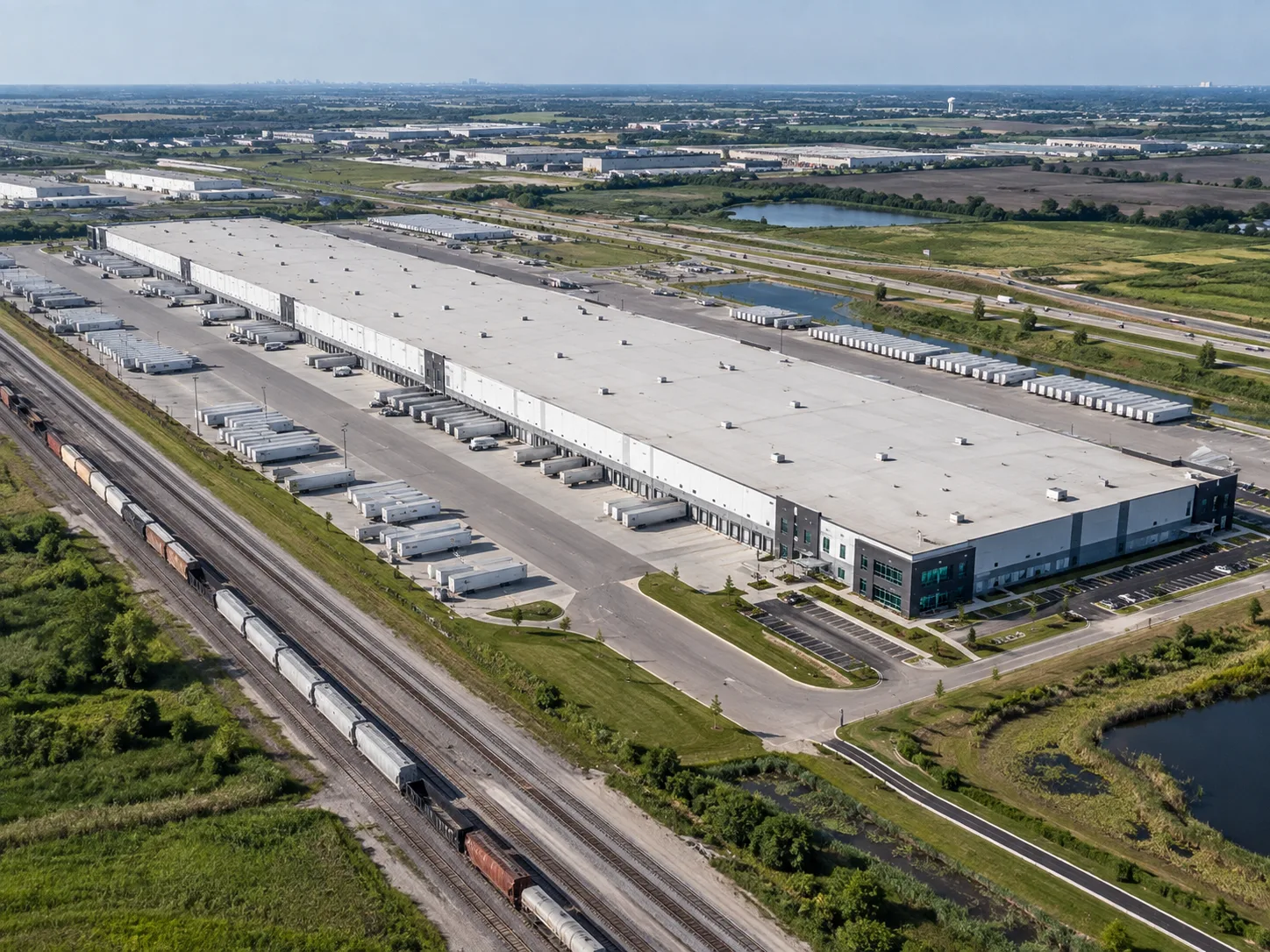
Industrial: Supply Chains Move Closer to Home
Geopolitical shifts, labor issues, and tech innovation continue to reshape supply chains. Many companies are relocating production closer to their core markets. US imports from Mexico surpassed those from China in 2023, driven by lower Mexican labor costs and ongoing trade tensions. Additionally, Latin America and Southeast Asia are becoming vital hubs for manufacturing and logistics.
Get Smarter about what matters in CRE
Stay ahead of trends in commercial real estate with CRE Daily – the free newsletter delivering everything you need to start your day in just 5-minutes
Retail: The Barbell Economy Expands
Retail continues to split between two ends of the spectrum. Luxury and value-oriented brands are gaining market share, while mid-tier retailers struggle to compete. Although 34.4% of consumers expect to cut back in 2026, nearly two-thirds plan to maintain or increase spending. Retailers who emphasize affordability, private-label value, or premium experiences will be best positioned.
Hospitality: AI Revolutionizes Travel Planning
As AI becomes more embedded in daily life, its impact on travel planning is growing fast. Between 2024 and 2025, usage of AI for booking and trip planning rose from 10% to 18%, according to Oxford Economics. Millennials and Gen Z are leading this shift. Hotels and travel platforms that integrate AI more effectively could gain significant market share in 2026.
Data Centers: Capital Pursues AI-Driven Demand
The race to support AI infrastructure has become a top priority for investors. Capital is pouring into data centers, fueled by interest from private equity, infrastructure funds, and public markets. Additionally, new financing tools—like CMBS—are reemerging to support this growth. Expect continued momentum and innovation in this space.
Life Sciences: Technology Reshapes Research Real Estate
Advances in AI and biotechnology are transforming life sciences real estate. Drug development is becoming more data-driven, while research priorities continue to shift. Growth now favors cities with deep talent pools and innovation ecosystems. As a result, companies are demanding more specialized lab and research facilities than in past cycles.
Healthcare: Medical Office Demand Remains Strong
Medical office buildings (MOBs) continue to deliver reliable, long-term income. In 2025, average occupancy reached 92.5%, with many top markets surpassing 95%. Investor interest remains high due to rising healthcare demand and limited new supply. With the 65+ population projected to hit 70M by 2030, healthcare spending is on track to reach $2 trillion—further supporting this asset class.
Looking Ahead: Strategy Over Speed
The 2026 CRE outlook offers a reset, not a return to past extremes. While uncertainty remains, stabilizing fundamentals and smarter capital deployment signal a more resilient path forward. As developers, investors, and occupiers recalibrate, CRE is entering a new phase: one built on strategy, specialization, and steady growth.