






- Amazon Now, a 30-minute delivery pilot, is rolling out in Seattle and Philadelphia, with Fort Worth expected to follow soon.
- The service relies on compact distribution hubs near city centers, with Amazon Flex drivers handling delivery.
- If scaled, the program could increase demand for last-mile industrial real estate, especially in dense urban markets.
- Amazon continues to see explosive growth in everyday essentials, outpacing the rest of its delivery business 2-to-1.
A New Speed Standard
Bisnow reports that Amazon has begun testing Amazon Now, an ultrafast delivery program promising to get everyday essentials — from groceries to diapers — into customers’ hands in 30 minutes or less. The pilot is initially available in Seattle and Philadelphia, with reports indicating Fort Worth will be added soon.
To make that possible, the company is opening smaller, urban-based fulfillment centers, akin to convenience stores, where workers prepare orders for Amazon Flex drivers to deliver. These drivers are gig workers using their own vehicles for short delivery windows.
Delivery Meets Demand
Amazon says demand for everyday essentials is booming — growing nearly twice as fast as the rest of its delivery business. This segment includes perishables, cosmetics, and household staples like milk and diapers.
CEO Andy Jassy emphasized the importance of this category during Amazon’s latest earnings call, noting customer retention is high once they begin using Amazon for groceries.
The service will cost $3.99 for Prime members and $13.99 for non-members, with additional fees for smaller orders.
Get Smarter about what matters in CRE
Stay ahead of trends in commercial real estate with CRE Daily – the free newsletter delivering everything you need to start your day in just 5-minutes
Industrial Implications
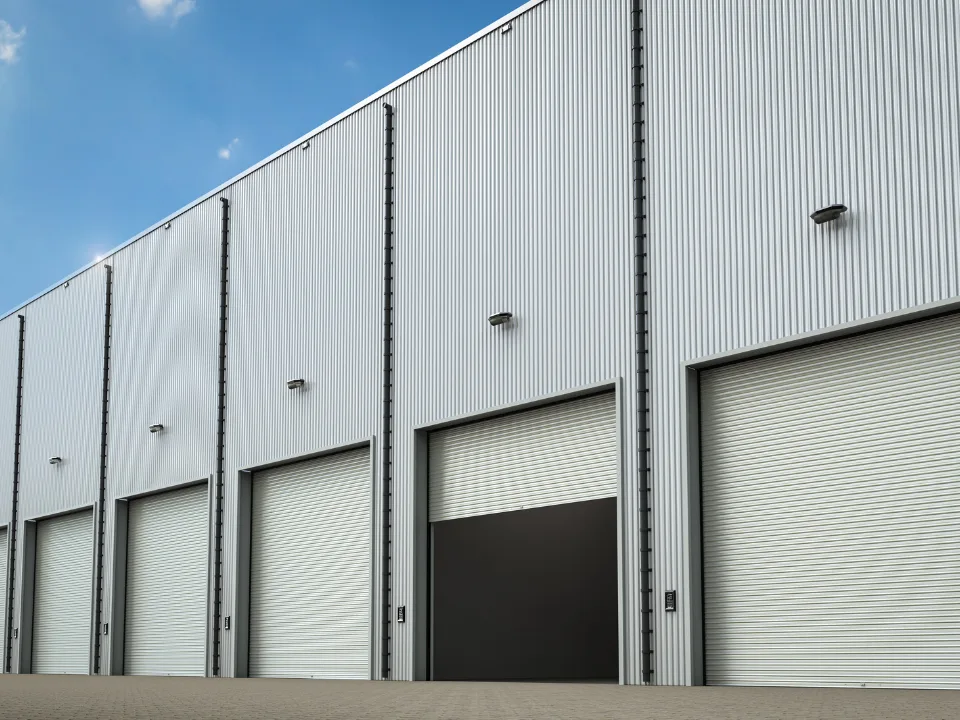
Amazon’s ability to deliver faster hinges on real estate proximity to customers, which could spur demand for last-mile industrial space. As the country’s largest warehouse tenant, Amazon’s expansion of this model could significantly impact urban logistics markets. The company has already been ramping up its logistics footprint across the country, signaling long-term investment in infrastructure to stay ahead in e-commerce fulfillment.
Competitive Pressure
Amazon Now marks a direct challenge to other rapid delivery services like Instacart, DoorDash, and Uber Eats, especially in the race to dominate grocery delivery. Amazon’s broader footprint — including its ownership of Whole Foods — already places it among the top US grocery retailers, with over $100B in annual grocery sales, excluding Whole Foods.
What’s Next
If Amazon Now proves successful, expect the company to scale the model to more cities. The move reflects their evolving logistics strategy, one that blends consumer convenience with strategic real estate positioning. And for the industrial sector, this could mean another boost in demand for smaller, infill distribution hubs across the country.