



- New supply commands a 6% rent premium over stabilized apartments nationwide.
- Renters pay more for quality, not from overextension—22% rent-to-income ratio, 95% on-time payments.
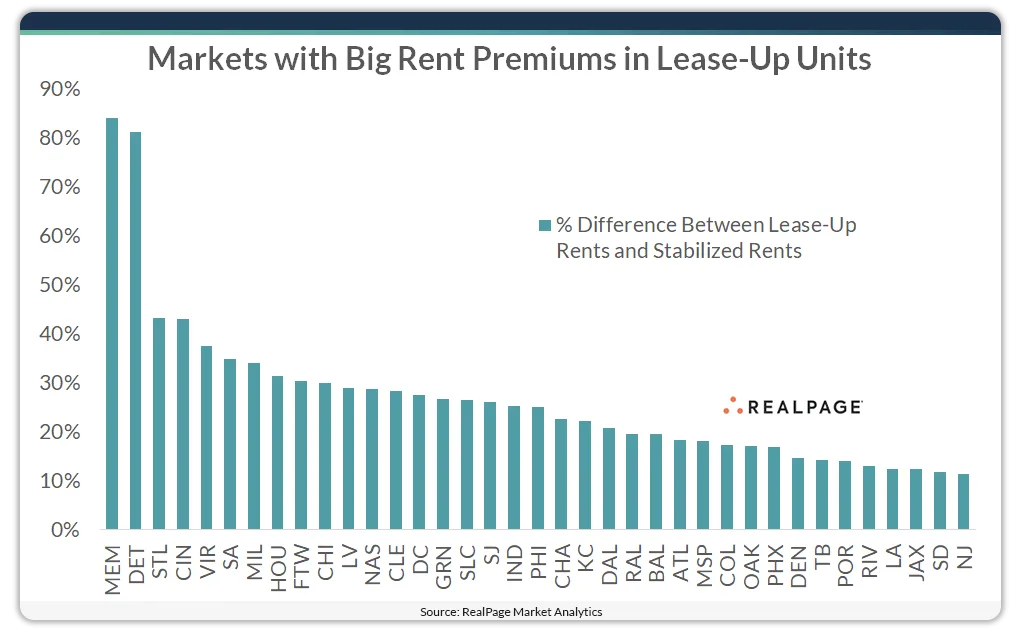
- Major and emerging markets see strong premiums, with Memphis and Detroit leading gains.
- Premiums depend on location and product, not guaranteed in high-cost markets like Brooklyn and San Francisco.
A National Premium Persists
RealPage reports that despite elevated supply levels, new apartments continue to outperform stabilized stock. As of September, lease-up units across institutional-grade assets averaged $1,982 in monthly rent—a 6% premium over stabilized units, signaling continued renter preference for newer, higher-quality product.
Critically, the premium isn’t being driven by tenant overextension. With rent-to-income ratios holding steady at 22% and consistent on-time rent payment performance since 2022, renters are signaling a willingness—and financial ability—to pay for modern product.
Major Markets Lead the Way
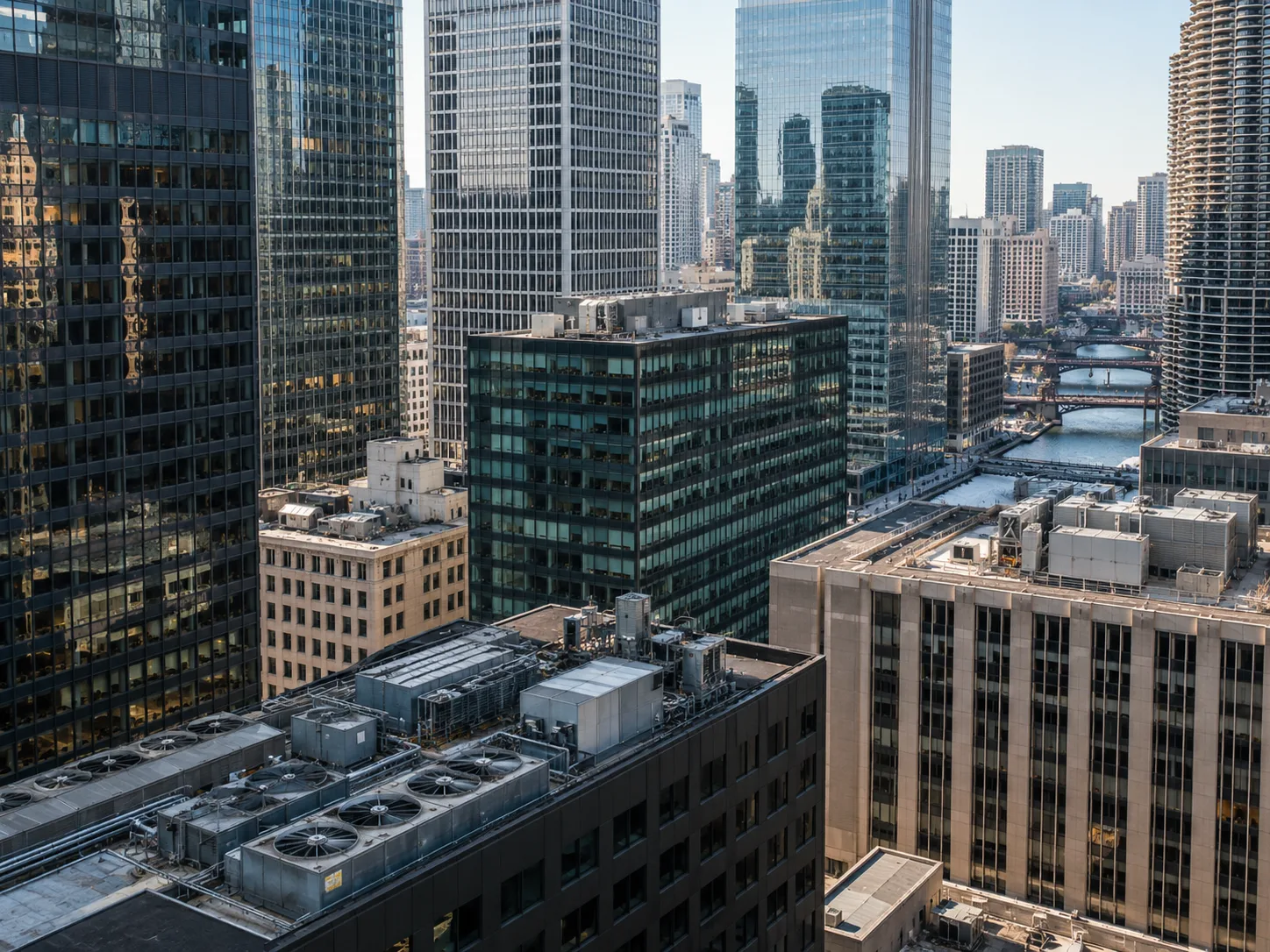
In large metros such as Washington DC, Los Angeles, Dallas, and Chicago, the trend holds. New supply regularly leases at 20–30% premiums, thanks to deep labor markets, high renter demand, and the appeal of new product.
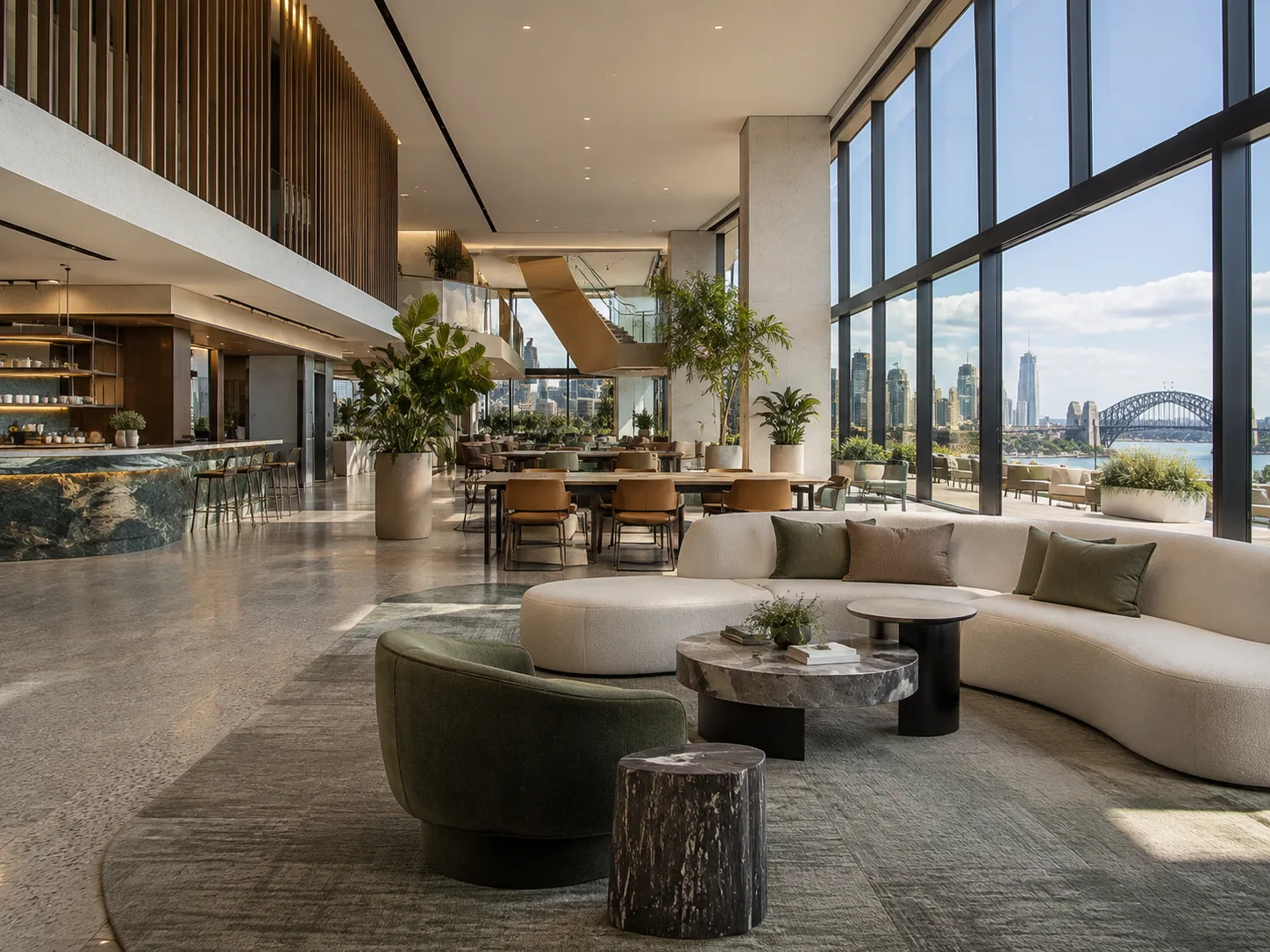
The strength in these metros reflects more than just newness—it’s about access, convenience, and upgraded living experiences.
Outliers Show Even Greater Premiums
Smaller or traditionally slower-growth markets like Memphis and Detroit are also seeing surprising rent premiums. In Memphis, lease-up rents are 80% higher than stabilized product, driven by walkable town centers, riverfront views, and modern branding.
In Detroit, new developments tied to downtown revitalization are attracting renters with updated amenities, finishes, and proximity to job centers—outpacing older inventory by wide margins.
Submarket Strength Shows Where the Value Is
Across metros, the highest premiums show up in lifestyle-focused submarkets. In East Nashville, for instance, walkability and cultural cachet help push lease-up rents significantly above stabilized alternatives.
In Houston’s Greenway/Upper Kirby, demand is driven by proximity to top employers and mixed-use retail/dining nodes. Similarly, Central Tampa draws premium rents from skyline views and new high-rise product that stands out from older garden-style options.
In all these cases, location + product quality = pricing power.
Get Smarter about what matters in CRE
Stay ahead of trends in commercial real estate with CRE Daily – the free newsletter delivering everything you need to start your day in just 5-minutes
Not All Markets Share the Trend
However, the premium isn’t universal. In Brooklyn and Downtown San Francisco, stabilized rents outpace lease-up prices, reflecting affordability limits and ongoing competition from generous concessions.
These outliers serve as a reminder: rent premiums are earned, not guaranteed. Success hinges on product positioning, pricing strategy, and market timing.
Why It Matters
For developers, the $111 national premium signals opportunity—but only with the right execution. For operators, competing with new supply requires more than just price—it takes strong service, community, and brand differentiation. And for investors, lease-up premiums provide a measurable way to evaluate which markets and projects offer durable, not just cyclical, returns.
Bottom Line
Even in a high-supply environment, renters are voting with their wallets—favoring well-located, well-designed new apartments. For those who can deliver the right product in the right place, the rent premium remains very real.