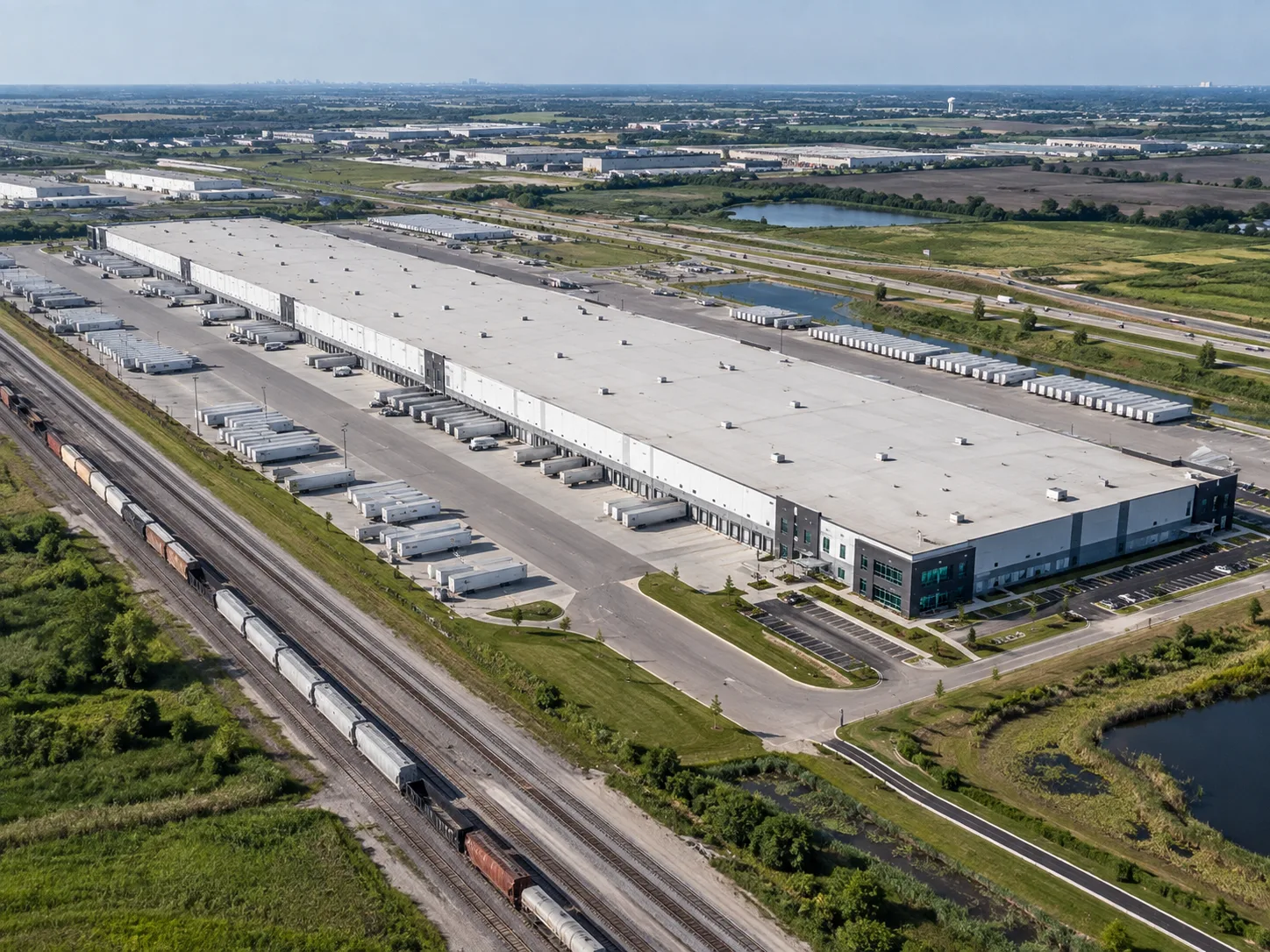






- Investors now prefer 3-, 5-, and 7-year fixed-rate loans instead of 10-year terms, taking advantage of a roughly 50-basis-point yield gap.
- Lenders are competing hard for strong property assets, focusing on multifamily, retail, and industrial deals.
- About $1.5 trillion in CRE loans will come due by 2026, raising refinancing risks and opening the door for distressed sales.
A Market in Transition
Borrowers are shifting their loan strategies as the yield curve steepens and Treasury rates sit near 4%, per Globe St. Many now favor shorter terms, such as 5-year notes at roughly 3.60%, to save on costs and stay flexible in an uncertain market.
Lending Shifts
Banks continue to lean on SOFR for short-term and construction financing. New loans are flowing into multifamily, retail, and industrial projects—sectors that deliver steady cash flow and strong demand.
Commercial mortgage loans also offer better spreads than corporate debt, drawing interest from institutional investors who want to diversify. At the same time, lenders and borrowers are both fighting for attention: lenders want the best deals, and borrowers want the best terms.
Equity and Valuations
Falling property values are creating openings for buyers. Still, returns now depend more on cash flow than on shrinking cap rates. Large investors may gain better credit terms over time, but the improvements will come slowly.
Get Smarter about what matters in CRE
Stay ahead of trends in commercial real estate with CRE Daily – the free newsletter delivering everything you need to start your day in just 5-minutes
Policy Outlook
Most CRE-related tax rules from the 2017 Tax Cuts and Jobs Act remain in place, giving investors stability. But those using negative leverage need tighter discipline to protect long-term positions.
The Wall of Maturities
Refinancing poses the biggest challenge ahead. Nearly $1.5 trillion in loans will mature by 2026, with another $800B by 2028. Many borrowers already extended loans by one to two years, but the bulk will hit in early 2026. Defaults and distressed debt are likely to rise.
To keep assets afloat, investors and lenders may turn to recapitalizations, structured deals, and joint ventures that spread risk and reset property values.
Why It Matters
Shorter-term loans, falling valuations, and looming maturities highlight a turning point for CRE. The next few years will test how well investors can pair discipline with creativity as they work through the debt wall.