



NYC Targets Housing Bottlenecks With Sweeping Development Reforms
The city’s new SPEED initiative aims to fast-track affordable housing by streamlining approvals and lease-ups.

Nina Dale
May 20, 2026
Together with

Good morning. NYC is taking aim at one of the biggest obstacles to housing production: time. A sweeping new reform package could slash affordable housing development timelines by up to two years by streamlining permitting, environmental reviews, and lease-up processes.
🎙️ This Week on No Cap: Michael Van Der Poel, Founding Partner at ACRE, breaks down how a post-GFC workforce housing thesis grew into a global platform spanning the US, Europe, and Asia. (Thanks to our podcast sponsor, Henry)
Listen & subscribe: Apple Podcasts | Spotify | YouTube
IN PARTNERSHIP WITH ARBOR REALTY TRUST
An Innovative Financing Solution from Arbor and Freddie Mac

Arbor Realty Trust’s Proprietary Preferred Equity behind Freddie Mac Conventional Loans stands out because of how capital is deployed. Borrowers enjoy a streamlined experience that is frictionless and flexible.
✅ Capital drawn only when needed, not fully funded at close
✅ Boost leverage without the necessary cost or complexity
✅ Help preserve cash flow by avoiding interest on unused capital
Discover how this popular program and its phased contributions could add value to your next project.
*This is a paid advertisement. Please see the full disclosure at the bottom of the newsletter.
Market Snapshot
|
||
|
||
|
||
|
||
|
||
|
Fast Track
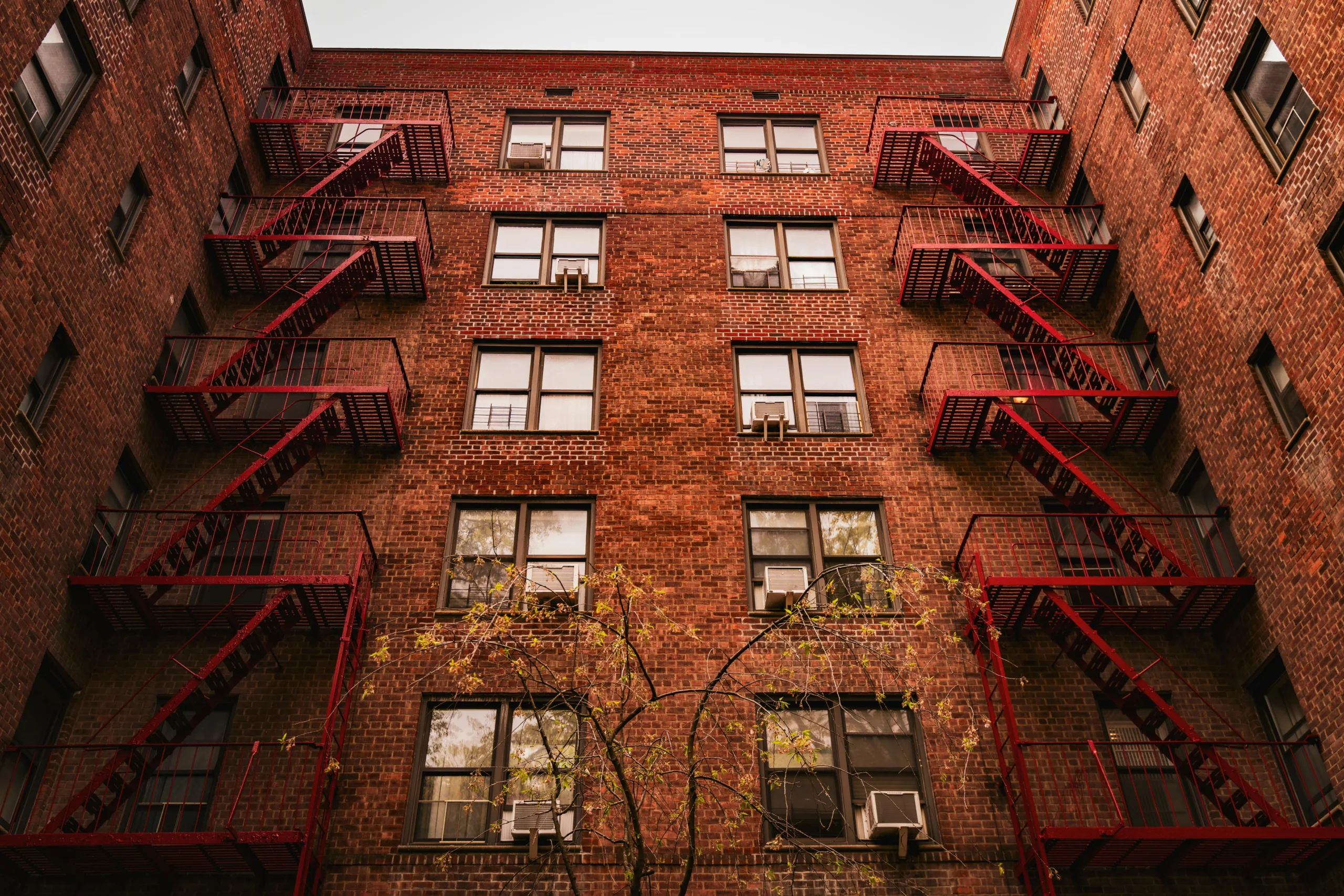
NYC Targets Housing Bottlenecks With Sweeping Development Reforms
NYC wants to shave years off affordable housing timelines by overhauling the bureaucratic maze slowing apartment construction.
Cutting delays: NYC’s SPEED initiative could cut affordable housing timelines by eight months overall and up to two years for rezoning projects by streamlining permitting, environmental reviews, financing, and lease-up processes.
Projects lost in review: NYC’s housing approval process has stalled thousands of apartments, with more than 3,500 proposed units — including nearly 1,000 affordable homes — lost since 2022 due to lengthy public reviews and permitting delays across as many as 15 city agencies.
Faster approvals ahead: The SPEED plan would streamline New York’s environmental review process by exempting some housing projects from lengthy SEQRA reviews, which studies have found rarely uncover significant environmental harm, even as they add roughly 2 years to timelines. The city also plans to launch a centralized online permitting system to help developers track approvals and agency reviews in real time.
Staffing shortages grow: Office-to-residential conversions are straining understaffed city agencies, with asbestos review applications nearly doubling since 2010 while staffing remained flat. SPEED proposes a 50% staffing increase that could cut permit review times by two months.
Lease-up delays persist: The reforms also target affordable housing lease-up delays, where applicants face a median 210-day approval process after projects are completed. Proposed changes include shorter application windows, simplified income verification, and expanded digital processing tools.
Why it matters: New York’s housing shortage is becoming more about execution than zoning, as lengthy approvals, staffing shortages, and fragmented reviews drive up costs and stall projects — especially affordable developments reliant on public financing. The reforms reflect a broader national push to speed up housing delivery beyond rezoning alone.
➥ THE TAKEAWAY
The cost of delay: If New York can successfully cut approval timelines without sacrificing oversight, it could reset expectations for housing production in high-cost cities nationwide. Faster approvals won’t solve affordability alone, but they may finally reduce one of the industry’s most expensive hidden costs: time.
Around New York
➥ New York Gov. Kathy Hochul narrowed her proposed pied-à-terre tax to roughly 10,000 second homes while still projecting $500M in revenue amid pushback from the real estate industry.
➥ New York City lawmakers revived a scaled-back COPA bill that would give nonprofits first rights to buy certain distressed multifamily properties.
➥ Mayor Zohran Mamdani is pushing for policies that encourage private-sector housing development rather than relying on government-led construction efforts.
➥ New York City life sciences leasing fell 84% quarter-over-quarter in Q1 as demand, venture funding and rents continued to soften.
➥ New York-area hotels are seeing weaker-than-expected bookings ahead of the 2026 World Cup, raising concerns about the event’s anticipated tourism boost.
Follow the Money
| OFFICEMEATPACKING DISTRICT Vornado Realty Trust and Aurora Capital secured a $161M refinancing for a fully leased Manhattan office property in the Meatpacking District. |
| OFFICEGARMENT DISTRICT Brookfield and Qatar Investment Authority secured a $1.9B refinancing for the nearly fully leased 2 Manhattan West office tower in Midtown. |
| OFFICEMIDTOWN MANHATTAN Extell acquired a $500M Park Avenue development site in Midtown Manhattan, expanding its footprint in the city’s growing trophy office corridor. |
| OFFICEUPPER EAST SIDE Charles Cohen defaulted on a $150M loan tied to Manhattan’s Decoration & Design Building as occupancy and revenue continue to decline. |
| OFFICETIMES SQUARE The $647.5M CMBS loan tied to 20 Times Square returned to special servicing after missing its maturity deadline. |
| OFFICELONG ISLAND CITY Tishman Speyer secured a loan extension for its Long Island City office complex after the property’s value dropped 44% amid major tenant vacancies. |
| OFFICELONG ISLAND CITY New York City’s Employee Retirement System renewed its 35K SF office lease at The Factory complex in Long Island City. |
| OFFICEHUDSON YARDS Brookfield and Qatar Investment Authority landed a $1.9B CMBS refinancing for the recently completed 2 Manhattan West office tower in Hudson Yards. |
| MULTIFAMILYUPPER WEST SIDE The Dermot Company secured a $355M refinancing for its Upper West Side luxury apartment tower as it upgrades amenities at the 616-unit property. |
📈 CHART OF THE WEEK

It would take the average New Yorker nearly 20 years to save for a 20% down payment on a median-priced NYC home, though that’s down from nearly 24 years in 2019 as incomes have gradually risen.
-
📬 Newsletters: Stay ahead of the market with our national CRE Daily newsletter — or get hyper-local insights from CRE Daily Texas.
-
🎙️Podcast: No Cap by CRE Daily delivers an unfiltered look at the biggest trends—and the money game behind them.
-
🗓️ CRE Events Calendar: The largest searchable calendar of commercial real estate events—filter by city or sector.
-
📊 Market Reports: A centralized hub for brokerage research and market intelligence, all in one place.
-
📈 Fear & Greed Index: A fully interactive sentiment tracker on the pulse of CRE built in partnership with John Burns Research & Consulting.

You currently have 0 referrals, only 1 away from receiving Multifamily Stress Test Model.
What did you think of today's newsletter? |