




- Yardi Matrix increased its 2026 US multifamily completions forecast by 2.5%, now projecting 490,362 units to deliver.
- Affordable and partially affordable properties are driving new supply growth, while market-rate completions are poised to drop from pre-pandemic highs.
- Elevated interest rates and fiscal support are holding supply steady, but a return to 2024–25 new-supply peaks is considered unlikely.
Supply Growth Driven by Affordability
According to Yardi Matrix’s Q3 2026 Multifamily Supply Forecast, completions should reach 490,362 units in 2026. That figure sits 2.5% above projections from just one quarter earlier. Yardi published its latest bulletin in July 2026. It attributes the modest upgrade largely to improved tracking of projects currently under construction.
Completions should still bottom out at 444,343 units in 2027. That total stands 10% above the 2020 trough but remains below the post-pandemic highs. Crucially, the supply mix is shifting toward affordable and partially affordable housing. Market-rate deliveries continue to decline as the broader development pipeline gradually cools.
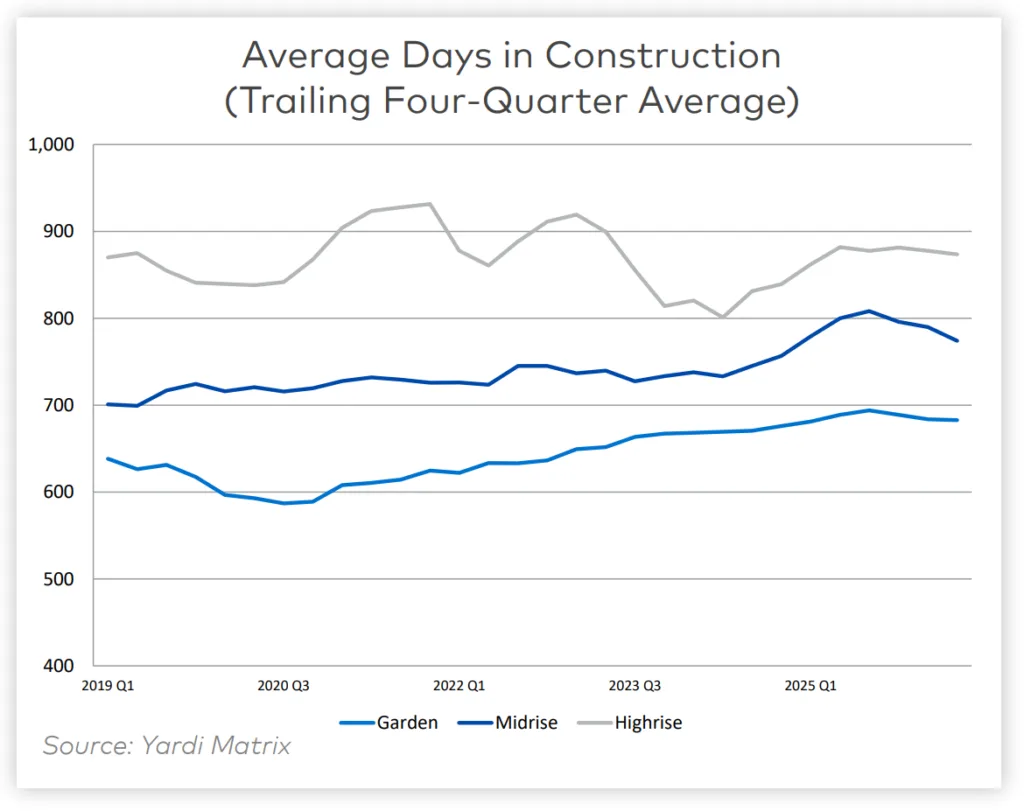
For context, anticipated 2026 deliveries remain well below the 697,099-unit peak recorded in 2024. Pipeline attrition and longer construction times have increasingly shifted growth toward affordable housing. Affordable projects have now outpaced broader supply growth as luxury and market-rate development slows. Investors and developers are recalibrating strategies, particularly in metros where pandemic-era construction overstretched fundamentals.
Get Smarter about what matters in CRE
Stay ahead of trends in commercial real estate with CRE Daily – the free newsletter delivering everything you need to start your day in just 5-minutes
The Details
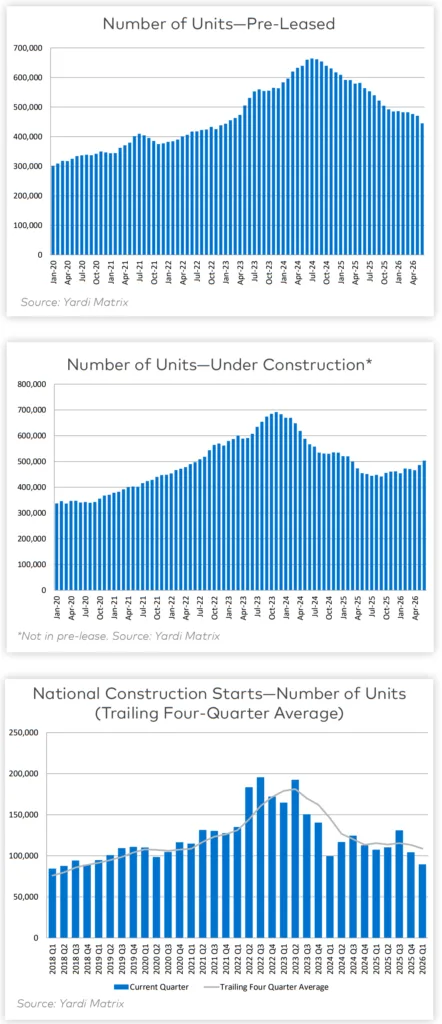
Yardi Matrix raised its 2026 completion forecast by 2.5% to 490,362 units. Annual supply should then bottom out at 444,343 units in 2027. Higher 2026 and 2028 deliveries reflect stronger construction starts during the first half of 2026. Starts rose 20% compared with the same period in 2025.
Affordable and partially affordable properties will capture a larger share of the pipeline. By 2027, supply in those categories should exceed 2020 levels by 22% and 44%, respectively. Meanwhile, market-rate supply should fall 11% below 2020 levels, representing nearly 27,000 fewer units.
Senior housing and single-family rental completions should also decelerate after strong activity from 2023 through 2025. SFR starts have already fallen sharply since late 2025. Through 2031, Yardi expects only modest annual supply growth. Deliveries should reach 460,381 units by the end of the forecast period.
Pipeline Peaking Then Easing
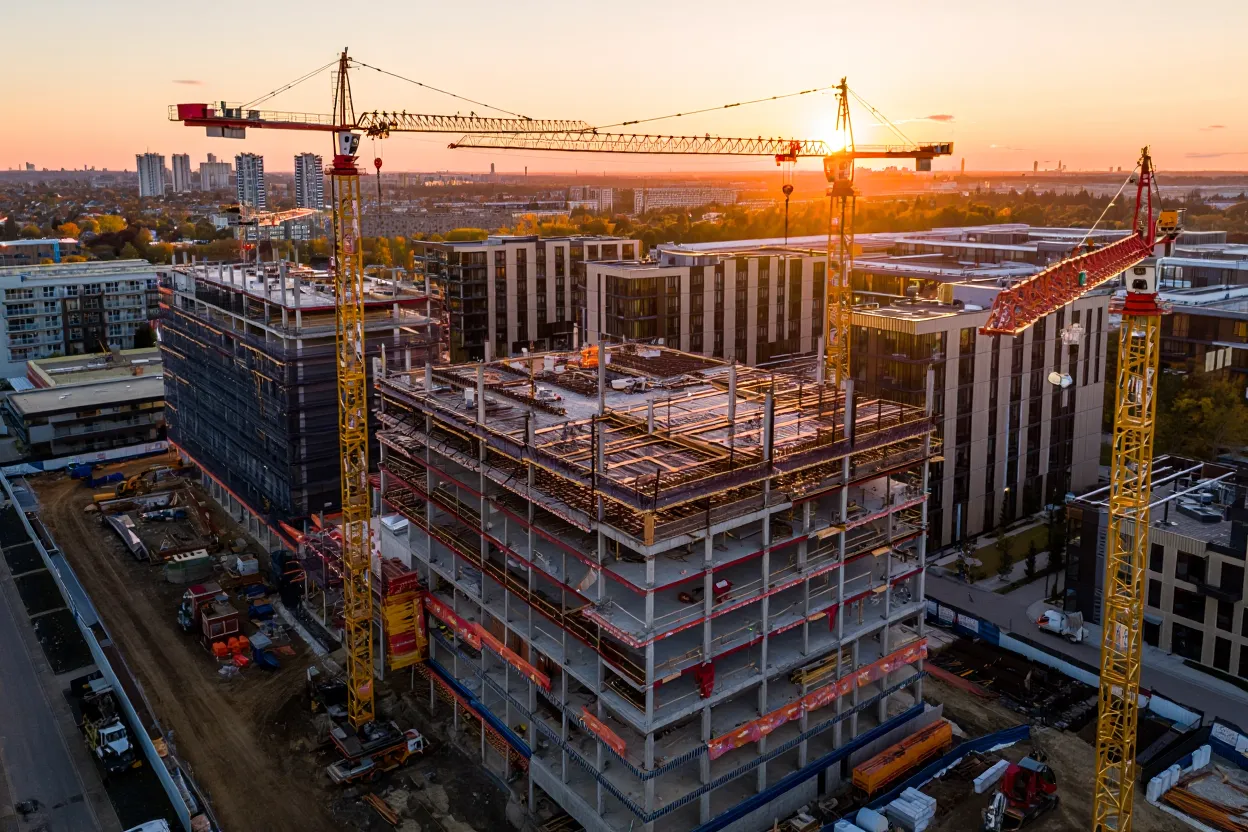
The national under-construction pipeline totaled 948,195 units at the end of Q2 2026, according to Yardi Matrix. That figure fell 6.6% year-over-year and remains well below the March 2024 peak of 1.27M units. Inventory further along in development, including pre-leased and near-completion properties, declined 21.1% over the past year.
However, the slowdown varies significantly by market. Twenty-one metros still have construction pipelines exceeding 8% of existing stock. Miami, Charlotte, and Salt Lake City remain among those markets, signaling continued near-term supply pressure. That pressure follows a period when elevated apartment supply outpaced demand and stalled multifamily rent growth. Meanwhile, former construction hotspots have scaled back sharply. Austin starts fell 69%, while Denver starts dropped 51% compared with 2022.
Some Midwest and Northeast markets are moving differently. Omaha and Columbus reached decade-high construction starts in 2025. However, their overall pipeline ratios remain moderate compared with heavily supplied Sun Belt markets.
Why It Matters
The changing multifamily pipeline carries important implications for asset managers and policymakers. Affordable and partially affordable growth signals changing capital allocation as developers respond to evolving renter demand. It also reflects a renewed focus on attainable housing. Yardi expects 2027 deliveries in these segments to grow substantially from 2020 levels.
Recent legislation could reinforce that shift. The 21st Century ROAD to Housing Act expands support for municipal permitting reform. Meanwhile, the 2025 One Big Beautiful Bill Act expands LIHTC availability and raises FHA multifamily loan caps. Together, these measures lower barriers for new affordable housing development.
High interest rates are also shaping the supply trajectory. They have constrained development, with 2025 construction starts falling 34% from their 2022 peak. However, high borrowing costs also keep many potential homebuyers in rentals, supporting apartment demand.
Yardi expects modest and steady supply expansion through 2031. Fiscal stimulus could support employment and household formation during that period. However, elevated capital costs and the lingering energy shock from the unresolved Iran War could limit construction. As a result, affordable development may lead growth while trophy market-rate expansion remains subdued.
What’s Next
Multifamily starts will depend on policy implementation, capital market conditions, and regional rent growth. As of mid-2026, construction starts are running 20% above last year’s pace. That acceleration points toward a modest supply increase in 2028.
Planned and prospective pipelines remain substantial, totaling 4.7M units combined. However, they have increased only 1% this year, suggesting developers remain cautious about the cycle’s next phase. High rates should also constrain single-family supply, keeping more households in the rental market.
Investors should expect stable and slightly rising new supply through the end of the decade. However, markets with heavy pipelines and slow absorption face greater risks. Those metros could experience longer periods of oversupply as new units compete for increasingly selective renter demand.