




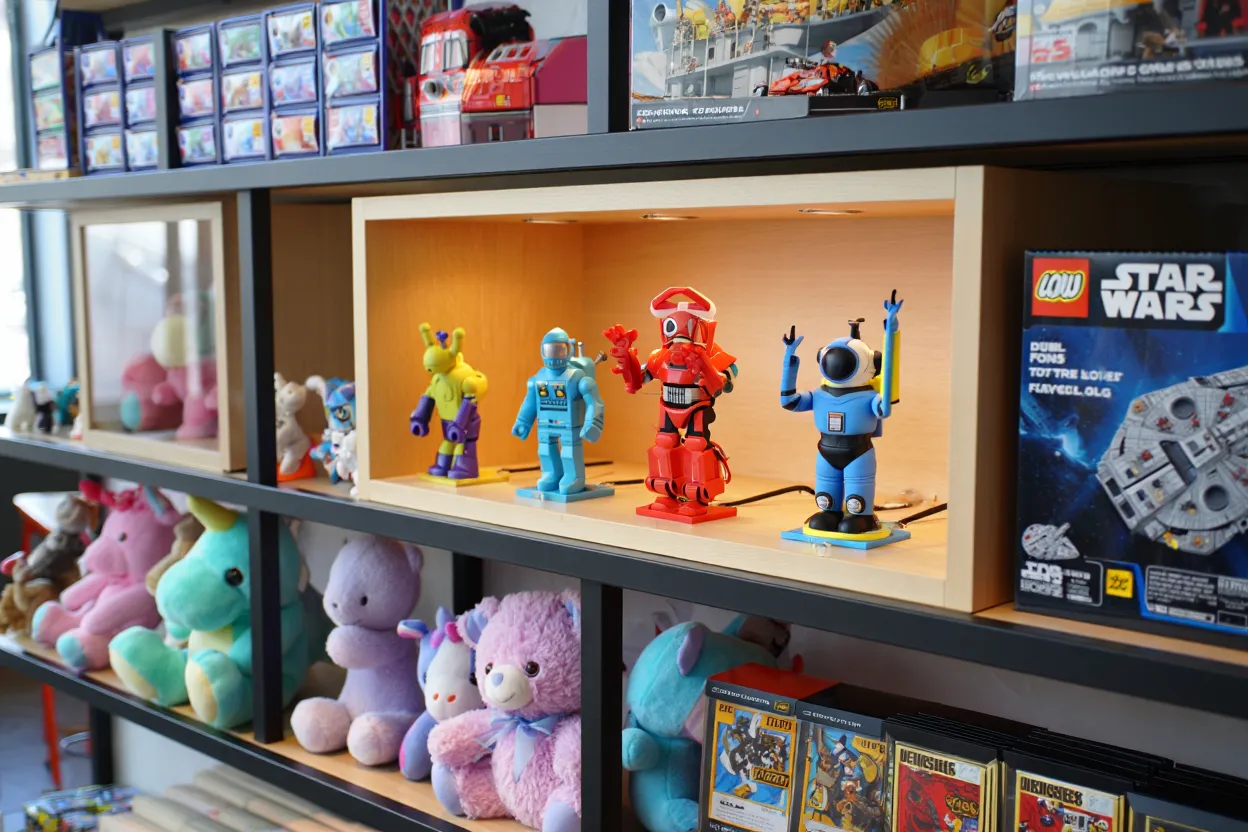
- Toys and collectibles are rapidly boosting foot traffic and sales for US retailers, drawing demand from Gen Z, Millennials, and older buyers alike.
- Brands employ scarcity tactics and viral social trends, while global companies like Pop Mart and Miniso expand their US retail footprints to capitalize on the craze.
- The collectibles surge is reshaping retail leasing dynamics—offering landlords, developers, and brokers new opportunities for high-frequency, intent-driven tenants.
Cultural Shifts Power Collectibles-Focused Retail
Toys and collectibles have become an unlikely engine for US retail, with scarcity-driven products and nostalgia-fueled trends attracting a crowdsourced spectrum of shoppers. According to a recent commentary by Anjee Solanki via Colliers, foot traffic is surging as everyone from “kidults” to anxiety-ridden Gen Zers chase rare products in-store. The collectibles boom is no longer a fringe trend—it’s now at the core of retail’s most successful strategies. As retailers rethink their tenant mix, many look to brands that can reliably create hype and recurring visits, using a formula that borrows heavily from luxury’s playbook: limited drops, tight windows, and the addictive appeal of blind box collectibles.
This shift is visible on the ground as brands like Pop Mart, Miniso, and Cloudco establish US flagships, roll out experiential activations, and inspire mainstream retailers to be more responsive to viral trends. Unlike the traditional kids’ toy market, the new demand skews older, more diverse—and far more lucrative for brick-and-mortar stores seeking post-pandemic revival.
Get Smarter about what matters in CRE
Stay ahead of trends in commercial real estate with CRE Daily – the free newsletter delivering everything you need to start your day in just 5-minutes
The Details
Manufactured scarcity, influencer-driven social currency, and nostalgia power the collectibles boom. When celebrities like K-pop star Lisa and Kim Kardashian display niche items, shelves empty quickly. That pull has lifted Labubu figurines, Sonny Angel toys, plushies, adult LEGO sets, and Pokémon cards. New tactile toys like NeeDoh have also surged across the US market. That loyalty mirrors broader retail behavior, where emotional attachment helps shoppers justify paying more for favored brands. For instance, TikTok buzz helped NeeDoh sell through full-year inventory in nine weeks, according to brand data.
Flagship stores are chasing that momentum. Pop Mart opened a 22,000 SF US headquarters in Culver City to support North American growth. It also added stores at Westfield Century City and UTC La Jolla. Miniso’s 10,000+ SF Las Vegas flagship shows similar ambition. Cloudco has also expanded across Europe and the US. Meanwhile, mainstream retailers are moving faster to capture viral demand. Five Below used trends like Squishy Dumpling to boost quarterly sales by 32.5%. Agile merchandising and rapid social amplification helped drive that jump.
The Era of Kidults and Market Comparison
Kidults now sit at the center of the surge. These adults buy toys for nostalgia, investment value, stress relief, or all three. According to Circana and eBay 2026 data, this cohort now drives 28% of global toy sales. That equals $43.4B in 2026 demand. eBay collectibles sales reached $233M in March. In the first quarter, 12 individual transactions topped $1M each. That pace broke records and stood out against prior decades. Gen Z and Millennials also face heavy digital fatigue. Gen Z averages more than 237 daily notifications and over seven hours of screen time.
As a result, many shoppers now seek tactile, screen-free experiences. That shift benefits plush keychains, collectible building sets, and other analog toys. The Toy Association named this broader movement “Cozy Culture.” It has pushed parents, independent toy stores, and national chains to replenish nostalgic shelves. Retailers now favor products that feel rare, familiar, sensory, or emotionally comforting. Together, these trends put US toys and collectibles well above pre-pandemic levels. They also outpace broader retail growth and reshape the sector’s customer profile.
Why It Matters
The collectibles craze is not a transient trend. It’s reshaping US retail leasing, store formats, and merchandising strategies. Adult shoppers spent $1.8B on toys in the first quarter of 2025 alone, according to Circana, making them the largest-spending demographic for toys and collectibles. Retailers and landlords see real value in hosting tenants whose product drops, limited collaboration runs, and influencer tie-ins drive repeat foot traffic and high-conversion visits. For shopping centers, these brands can turn an ordinary Tuesday into a Black Friday scenario—a fact not lost on developers eager to fill vacant in-line boxes with high-urgency, recurring-traffic tenants.
Scarcity tactics—once the domain of luxury goods—are now ubiquitous in mass-market collectibles. Combined with nostalgia, social validation, and the hunt for the next viral item, this creates a self-reinforcing retail flywheel. Landlords and brokers who can spot these trends early will benefit from longer dwell times and higher conversion rates, vital as digital brands launch their own brick-and-mortar stores or pop-ups.
Mainstream adoption by retailers like Five Below and power players like Pop Mart and Miniso shows the model’s scalability. With categories from building blocks to blind boxes, and price points ranging from impulse buys to high-ticket investments, the sector is blurring the edge between toy aisle and lifestyle merchandise. As foot traffic remains a prized metric, collectibles are emerging as a differentiated anchor for malls and main streets alike.
What’s Next
With Gen Z and Millennials increasingly seeking analog escapes and collectible brands planning further US expansion, retail foot traffic from toys and collectibles is poised to grow through at least 2026. Industry insiders expect global and domestic operators to roll out more store openings, exclusive events, and cross-generational collaborations to drive transactional frequency. For CRE professionals, staying ahead of the collectibles curve will be essential in curating portfolios and negotiating leases with tenants that reliably bring shoppers back—proving that the next hot toy drop matters as much as flagship dining in the fight for repeat visits.