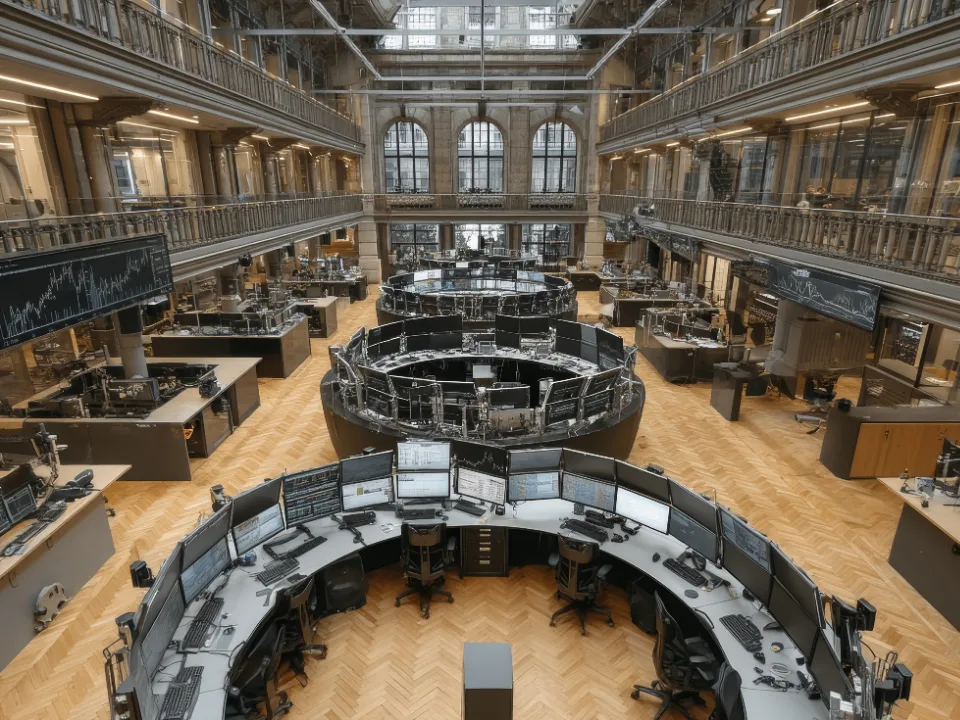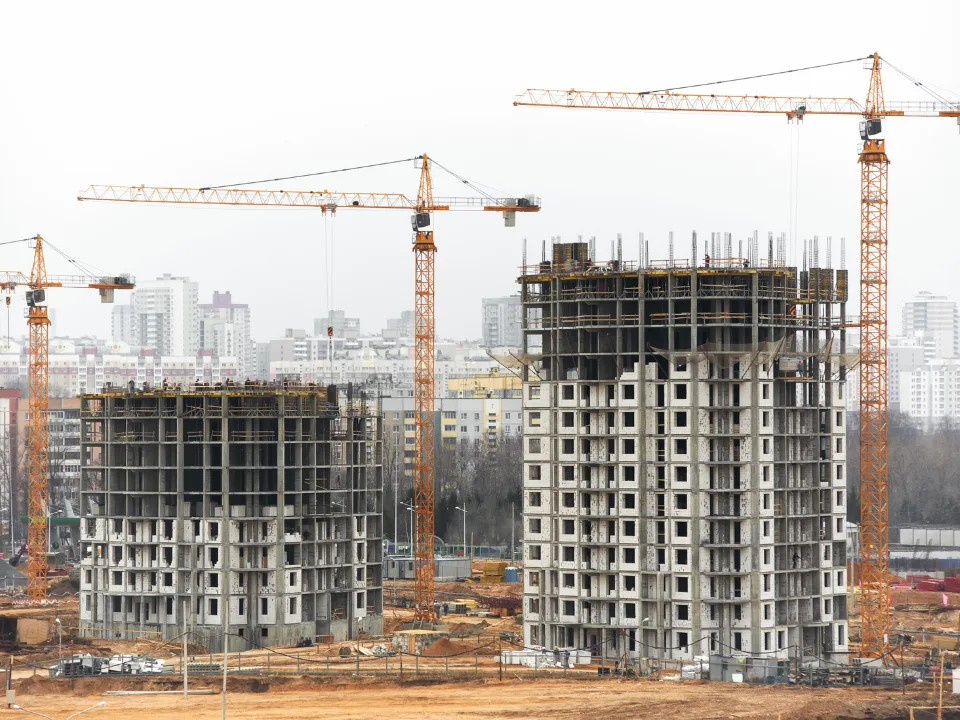





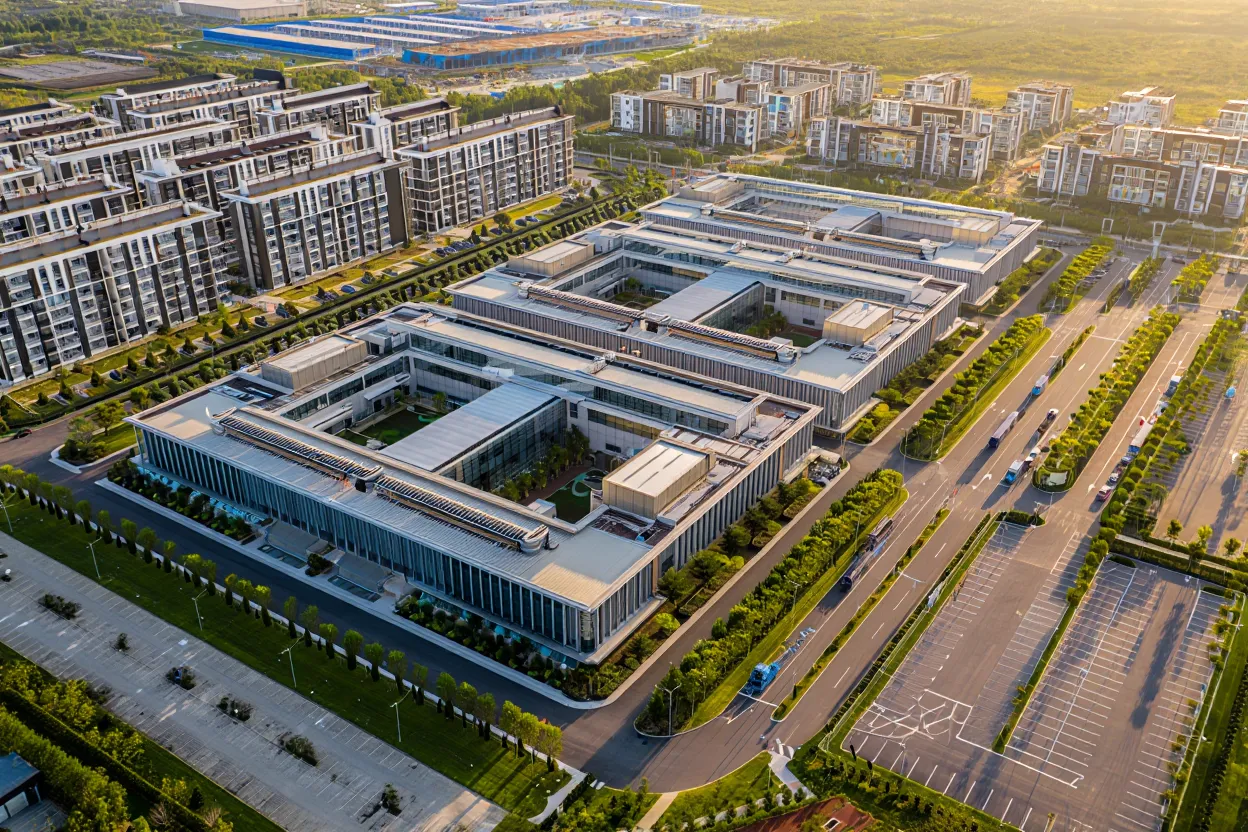
- Starwood Capital has raised $10.2B for its largest-ever fund focused on data centers, rental housing, and logistics.
- Up to 35% of the fund will be deployed into data centers, with $3B already committed to 20 deals, including Echelon Data Centres.
- The fund underscores accelerating investor interest in AI-ready real estate and Sun Belt rental housing as other markets face stiffer headwinds.
AI Build-Out Rewrites Real Estate Priorities
Starwood Capital Group just secured $10.2B for what it claims is its largest fund yet, per Bloomberg. The Miami-based private equity shop, led by Barry Sternlicht, will focus on sectors fast-growing amid the artificial intelligence boom: data centers, rental housing, and targeted logistics. The new vehicle is the first since ex-Blackstone exec Jonathan Pollack joined as president in 2024, marking a distinct pivot from the firm’s earlier strategies.
This capital raise reflects how AI deployment has emerged as a major factor shaping real estate investment. According to JLL, North American data center supply is expected to expand by nearly 20% year-over-year in 2024, as nearly every institutional investor looks to capture the surging demand for power, land, and connectivity.
Get Smarter about what matters in CRE
Stay ahead of trends in commercial real estate with CRE Daily – the free newsletter delivering everything you need to start your day in just 5-minutes
The Details
Starwood’s new fund will invest up to 35%, or about $3.6B, in data centers. That nearly doubles the allocation from its last opportunistic fund.
The firm already committed more than $3B across 20 early investments. Those include a stake in Ireland-based Echelon Data Centres, a Texas residential land portfolio, and logistics projects in Northern Italy. Starwood also invested $100M of its own equity, according to Sternlicht. More than 300 investors joined the fund, with roughly half based in the US.
Additionally, Starwood targets infrastructure supporting AI and next-generation logistics. At the same time, it favors Sun Belt rental markets over regulated states like New York.
Chasing Data Center Demand
Investor demand for data centers continues rising as hyperscalers and AI workloads consume more power and rack space. Bloomberg reported that Starwood bridges financing gaps through co-investments and phased capital commitments. One earlier deal converted MARA Holdings’ Bitcoin mining sites into data centers.
This financing approach addresses high upfront costs and long development timelines. It also helps developers compete for increasingly scarce power access. Meanwhile, the fund continues targeting Sun Belt rental housing. Those markets have absorbed pandemic-era supply and returned to rent growth.
Why It Matters
Few firms can raise opportunistic funds exceeding $10B in today’s market. Many large managers still face CRE stress and cautious investors. Starwood attracted more than 300 investors while committing significant capital from its own balance sheet. That momentum follows improving confidence around the firm’s nontraded REIT after recent redemption pressures began easing. That signals growing demand for scale, specialization, and operational expertise.
The fund’s 35% data center allocation reflects the broader CRE push into AI infrastructure. US data center vacancy remains below 3% in primary markets, according to CBRE’s 2024 outlook.
Meanwhile, Starwood’s Sun Belt housing strategy reflects shifting multifamily investment preferences. Sternlicht prefers markets with fewer regulations and stronger rent momentum. He specifically avoids states like New York.
This strategy highlights how institutional investors continue recalibrating risk. They increasingly favor AI-driven assets and regulation-light housing. US CRE sales remain below 2021 levels. Therefore, future-focused mega-funds could gain an advantage as demand evolves.
What’s Next
With more than $3B already committed, Starwood will likely expand data center development and selective Sun Belt housing investments. AI adoption continues accelerating while power shortages constrain new data center supply. As a result, competition for suitable land will remain intense.
Meanwhile, continued absorption of pandemic-era apartment supply could strengthen Sun Belt rent growth. CRE professionals will watch how Starwood deploys its remaining capital. They will also monitor whether competing mega-funds adopt similar investment strategies.