




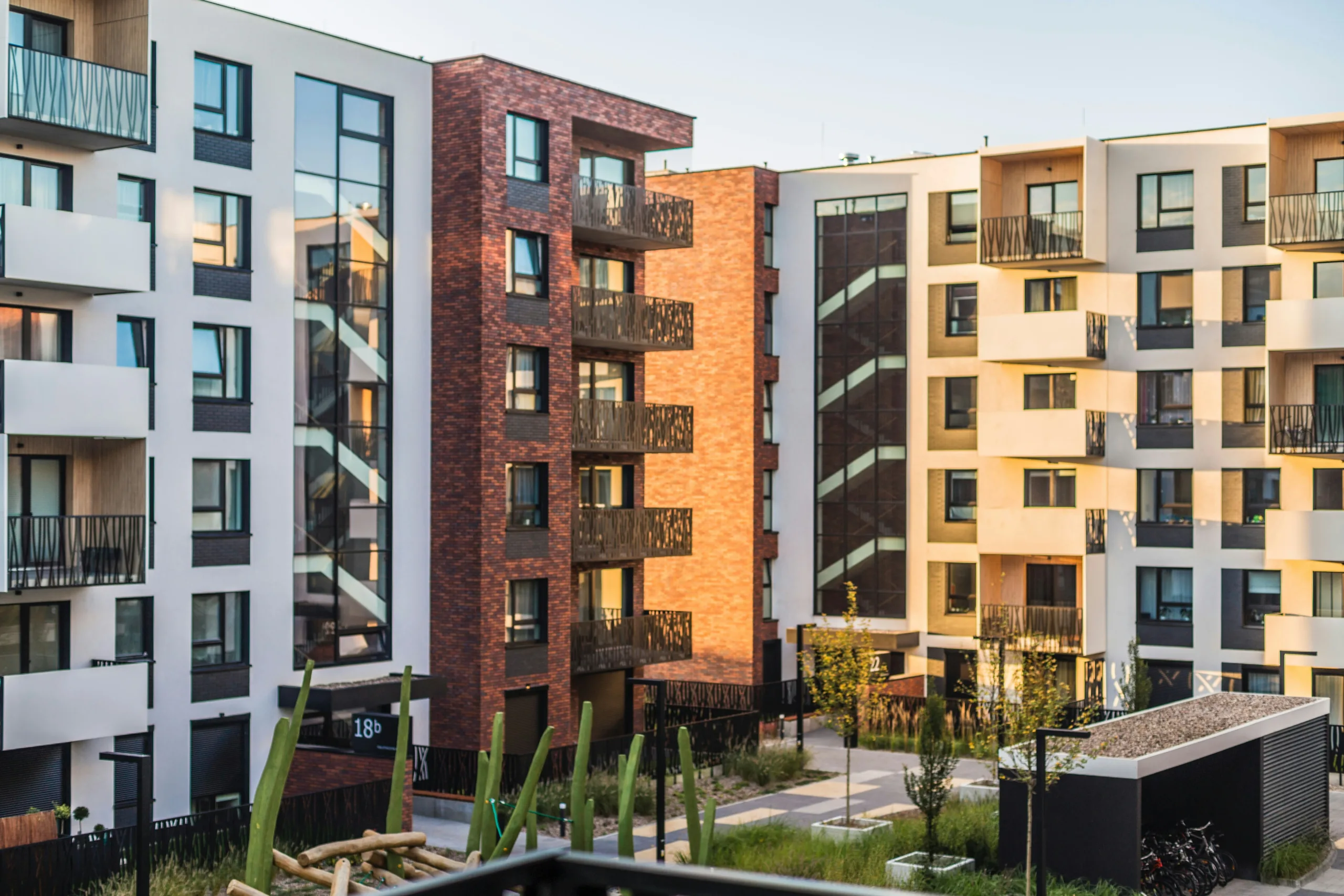



- US apartment deliveries are on track for a 34% year-over-year drop in 2026, per Marcus & Millichap.
- National vacancy rates are predicted to hold near 5.3%, with effective rents rising around 1.8% as new supply slows.
- Landlords in supply-constrained markets may regain pricing power ahead of Sun Belt operators still digesting past construction surges.
Record Construction Cycle Winds Down
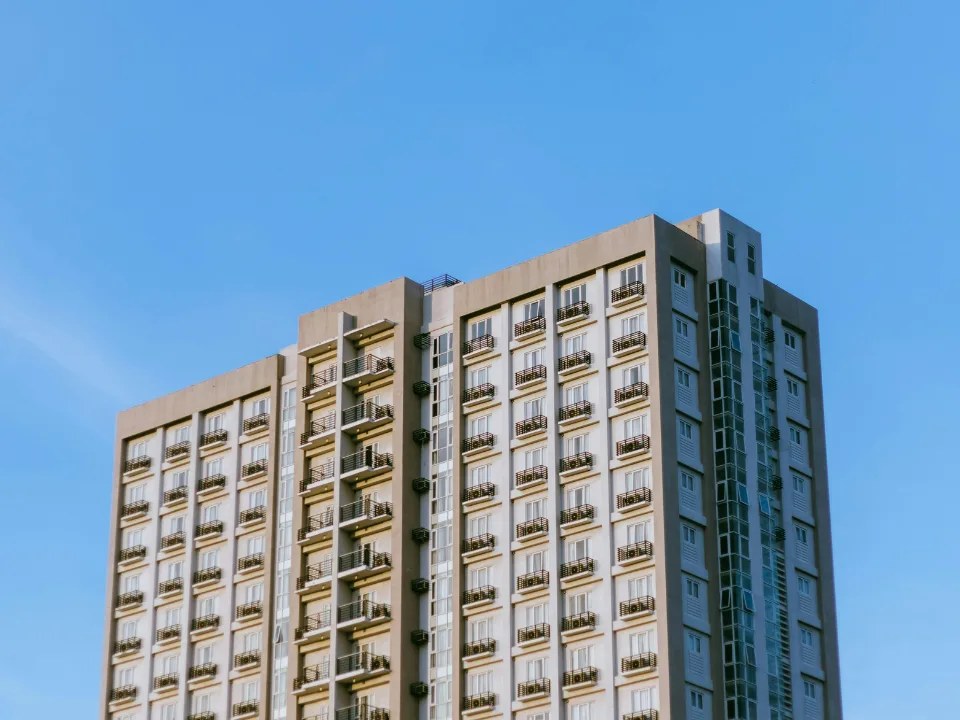
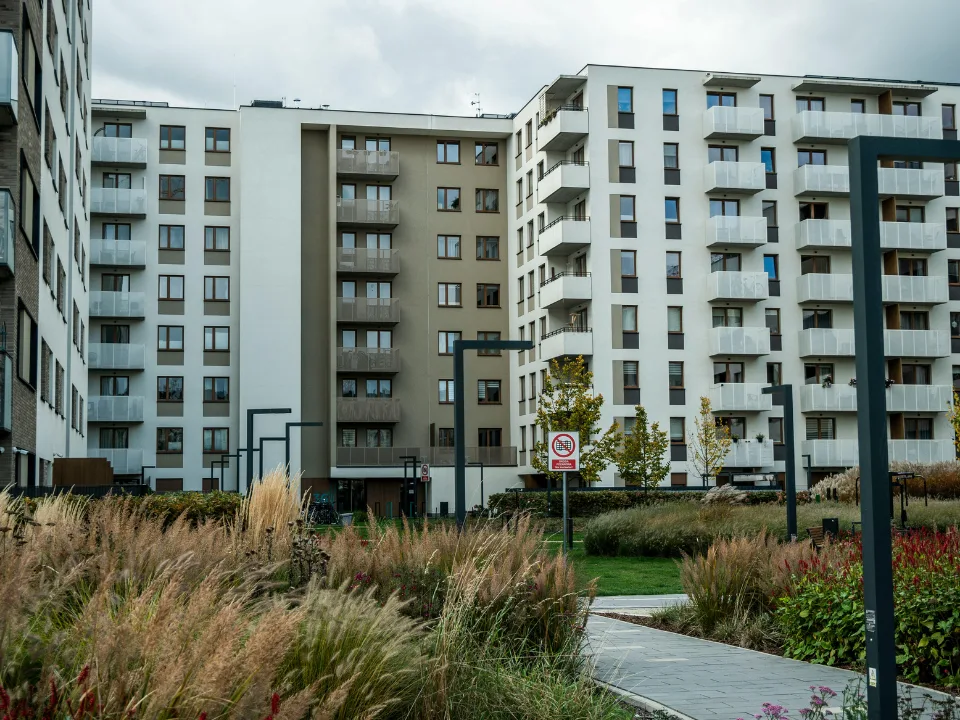
After several years of historically high apartment development, the US multifamily market is entering a new phase as construction slows significantly. Globe St reports that according to Marcus & Millichap, apartment completions in 2026 are projected to drop nearly 34% year-over-year, landing at levels not seen since 2014. This marks a clear reversal from the building boom that has weighed on fundamentals like rent growth and occupancy.
Industry leaders say the pipeline contraction is beginning to level the playing field for property owners and investors, as fewer major metros report outsized delivery volumes. The new cycle is rebalancing supply with current demand, with questions now turning to how quickly this shift will impact property performance.
Get Smarter about what matters in CRE
Stay ahead of trends in commercial real estate with CRE Daily – the free newsletter delivering everything you need to start your day in just 5-minutes
The Details
Marcus & Millichap’s 2026 outlook projects a national vacancy rate near 5.3%. That remains below the historical average. The firm expects effective rents to rise 1.8% year over year. Early in 2026, apartment absorption ran 50% above long-term averages. Strong employment and steady renter demand supported that growth.
Large Sun Belt markets still face record supply from recent construction waves. Meanwhile, regions with less development report tighter vacancies and firmer rents. Class B apartments appear best positioned for this rebalancing. Markets with proven demand offer steady renter interest and limited new competition.
Divergence Between Metros Drives Trends
Shrinking supply affects markets differently across the country. Sun Belt metros continue absorbing years of aggressive development activity. High vacancies and lease concessions still pressure many landlords.
By contrast, markets outside the Sun Belt are stabilizing faster. Their constrained pipelines support stronger occupancy and rent growth. This divide strengthens local differences in landlord pricing power. Some markets already show improving fundamentals. Others still face long construction backlogs.
Why It Matters
The supply reset is reshaping investor expectations for 2026 and beyond. Many regions may soon move past aggressive rent cuts and broad concessions. As availability declines, landlords regain leverage. Marcus & Millichap views the projected 34% drop in deliveries as a key turning point. The decline should stabilize fundamentals and improve landlord confidence.
Apartment absorption continues to exceed historical averages. Labor market resilience and renter demand continue driving that strength. Still, markets will not benefit equally.
Sun Belt owners still face larger inventories and slower absorption. Those conditions continue limiting rent growth and occupancy gains. Meanwhile, owners in supply-constrained markets could regain pricing power faster. They may also gain stronger visibility into future performance.
The slowdown in construction also adds predictability to the sector. Investors can again take a longer-term view of acquisitions. Some supply-constrained coastal markets already illustrate this trend, with vacancy expected to remain exceptionally tight even as national conditions normalize. Well-located Class B assets appear especially attractive. Investors who adapt to local conditions may capture the strongest opportunities.
What’s Next
The 2026 outlook depends on how quickly supply and demand rebalance. Marcus & Millichap expects more predictable market conditions ahead. That shift should reduce sharp swings in rents and occupancy.
Slower construction could also reduce sector volatility. Investors may see steadier rent growth and more stable vacancy levels. Undersupplied markets appear best positioned to benefit.
Investors should closely monitor Sun Belt absorption trends. Employment growth will also remain a key signal for the next apartment cycle.