



- MetroLoft is being sued for over $30M over alleged defects at its 443 Greenwich condo conversion in Tribeca.
- Allegations include dangerously deteriorating conditions, with leaks, loose bricks, and major roof issues in penthouse units.
- Scrutiny on MetroLoft and its partners has increased following structural failures at its Midtown Manhattan conversion.
Conversion Credentials Under the Microscope
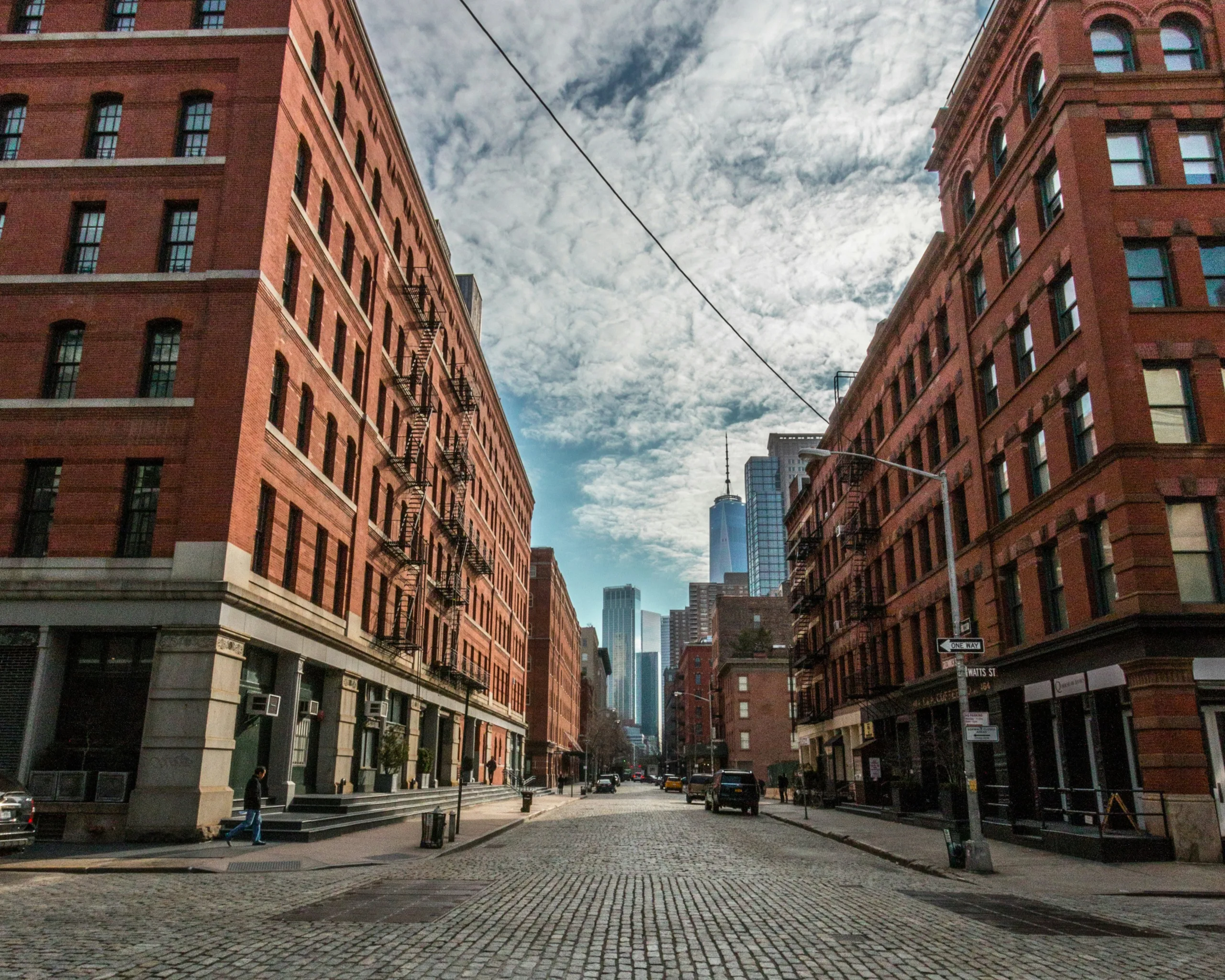
MetroLoft, known for transforming historic NYC properties into high-end residences, is facing escalating legal and public scrutiny. The Wall Street Journal reports that before its Midtown office-to-residential conversion project made headlines for a structural scare, MetroLoft was already entangled in a $30M lawsuit from condo owners at its previous flagship, 443 Greenwich in Tribeca. The allegations: shoddy construction and renovation led to risks ranging from leaks and loose bricks to, in the lawsuit’s words, “life threatening” conditions at the stately celebrity-haunted address. These issues now cast a shadow over MetroLoft’s broader portfolio just as interest in office-to-resi conversions surges nationwide.
Get Smarter About What Matters in New York
Subscribe to our free newsletter covering the biggest commercial real estate stories across the five boroughs — delivered in just 5 minutes.
The Details
Condo owners filed the lawsuit, claiming MetroLoft’s work at 443 Greenwich damaged the building’s integrity. The plaintiffs alleged persistent leaks, dislodged bricks, and failing walls throughout the property. They also claimed penthouse structures were “literally falling apart” because waterproofing failed and the green roof underperformed. MetroLoft denied the allegations in court.
Both 443 Greenwich and MetroLoft’s troubled Midtown conversion shared the same consultants. Those teams included Gace Consulting Engineers and Domani Inspection Services. Gace served as lead engineer on the 1,600-unit former Pfizer headquarters conversion, while Domani handled structural and code compliance inspections on both projects. Gace emerged from bankruptcy in 2025 after recent litigation. Despite that history, MetroLoft selected the firm for one of Manhattan’s largest conversions.
Heightened Scrutiny for Conversion Players
Construction defect lawsuits are common in New York, but MetroLoft now faces greater scrutiny after the Midtown structural incident. CEO Nathan Berman told the Journal that unreinforced columns caused the partial collapse. The incident shut nearby streets and prompted a Department of Buildings investigation involving MetroLoft, Gace, and Domani.
Both firms have also appeared in other lawsuits involving high-rise safety and inspection failures. Plaintiffs cited Domani in cases involving a falling concrete slab at 200 East 63rd Street and the collapse at 14 Gay Street. Court records also connect Gace to at least two construction lawsuits since 2023. The firm’s 2025 bankruptcy added further attention to its role in major projects. The Midtown incident also forced an evacuation at the former Pfizer tower, raising concerns about conversion oversight and structural reviews.
Why It Matters
The case raises fresh questions about liability when major conversion projects fail. MetroLoft remains one of the developers leading Manhattan’s office-to-residential push. According to CBRE, these projects could deliver nearly 20,000 housing units by 2030. However, the $30M lawsuit at 443 Greenwich and the Midtown safety incident may change how stakeholders evaluate risk.
Lenders, city officials, and competing developers may tighten due diligence standards. They may also reassess engineering and inspection partnerships on future projects. The city is reviewing more than the Pfizer conversion site. Officials are now searching for red flags in plans, engineering documents, and compliance records across projects.
MetroLoft’s high-profile history may increase public attention around these disputes. Past residents at 443 Greenwich included Jake Gyllenhaal and Meg Ryan. The lawsuits could also influence insurers, who already approach large conversions cautiously. For construction professionals, repeated claims involving MetroLoft, Gace, and Domani highlight growing reputational risks as New York’s $20B conversion pipeline expands.
What’s Next
The Department of Buildings is increasing oversight of MetroLoft projects and partners. Officials are actively reviewing whether construction work matches approved engineering plans. Future approvals for major conversions may face stricter reviews and longer timelines, especially for teams linked to recent safety concerns.
As the lawsuits advance, developers and lenders will likely examine engineering and inspection firms more closely before awarding contracts. That process could reshape how developers approach Midtown and Tribeca conversions in the coming years.