




- Samsung plans to relocate its US headquarters from Englewood Cliffs, New Jersey, to its existing Plano, Texas, campus by the end of 2026.
- The move impacts about 1,000 employees and comes less than a year after Samsung celebrated its relocation into a new 270,000-SF New Jersey headquarters.
- The decision adds momentum to Texas’ appeal as a corporate destination while intensifying scrutiny of New Jersey’s tax and regulatory environment.
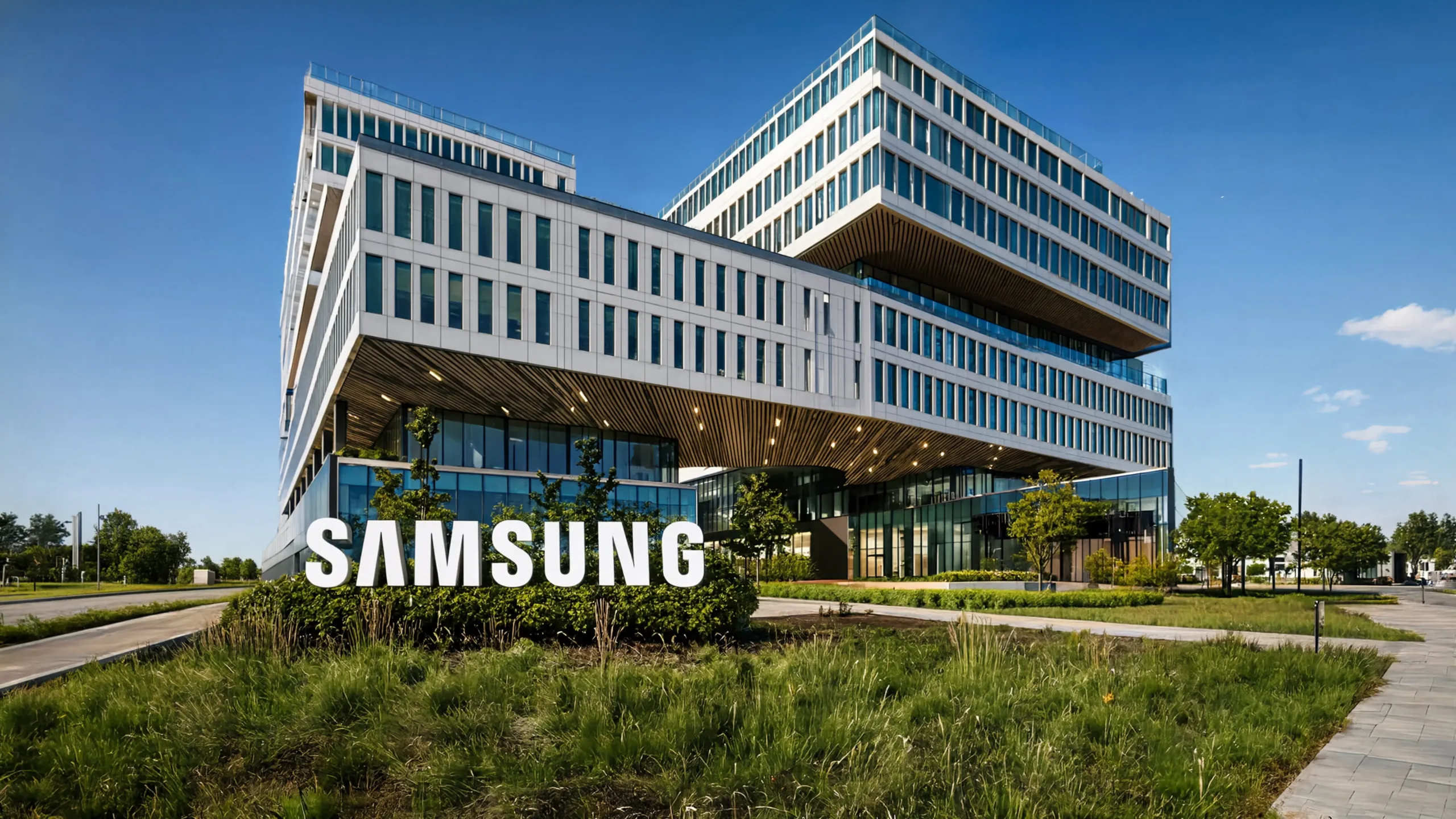
According to CoStar News, Samsung Electronics America will relocate its US headquarters from Englewood Cliffs, New Jersey, to Plano, Texas, by the end of 2026. The consumer electronics giant currently leases roughly 270,000 SF at 700 Sylvan Ave. in New Jersey and plans to consolidate headquarters functions at its long-established Texas campus.
The move arrives less than a year after Samsung celebrated its relocation into the Englewood Cliffs property. It also affects approximately 1,000 employees and adds another high-profile corporate name to the growing list of companies choosing Texas for headquarters operations, a trend that has reshaped corporate location decisions across the US over the past decade.
Get Smarter about what matters in CRE
Stay ahead of trends in commercial real estate with CRE Daily – the free newsletter delivering everything you need to start your day in just 5-minutes
Corporate Migration Continues
Samsung’s decision fits into a broader pattern of corporate relocations toward lower-cost, business-friendly markets. Texas has emerged as one of the primary beneficiaries, attracting companies ranging from technology firms to manufacturers and financial services operators.
The state’s appeal has been reinforced by several headline-grabbing headquarters moves in recent years, including Tesla’s relocation from California to Austin. Corporate executives frequently cite tax policy, regulatory predictability, labor availability, and operating costs when evaluating long-term location strategies.
For commercial real estate owners and economic development officials, these relocations often create ripple effects beyond office occupancy. Headquarters moves can influence hiring, supplier networks, regional investment, and future expansion plans, making them closely watched indicators of broader market competitiveness.
The Details
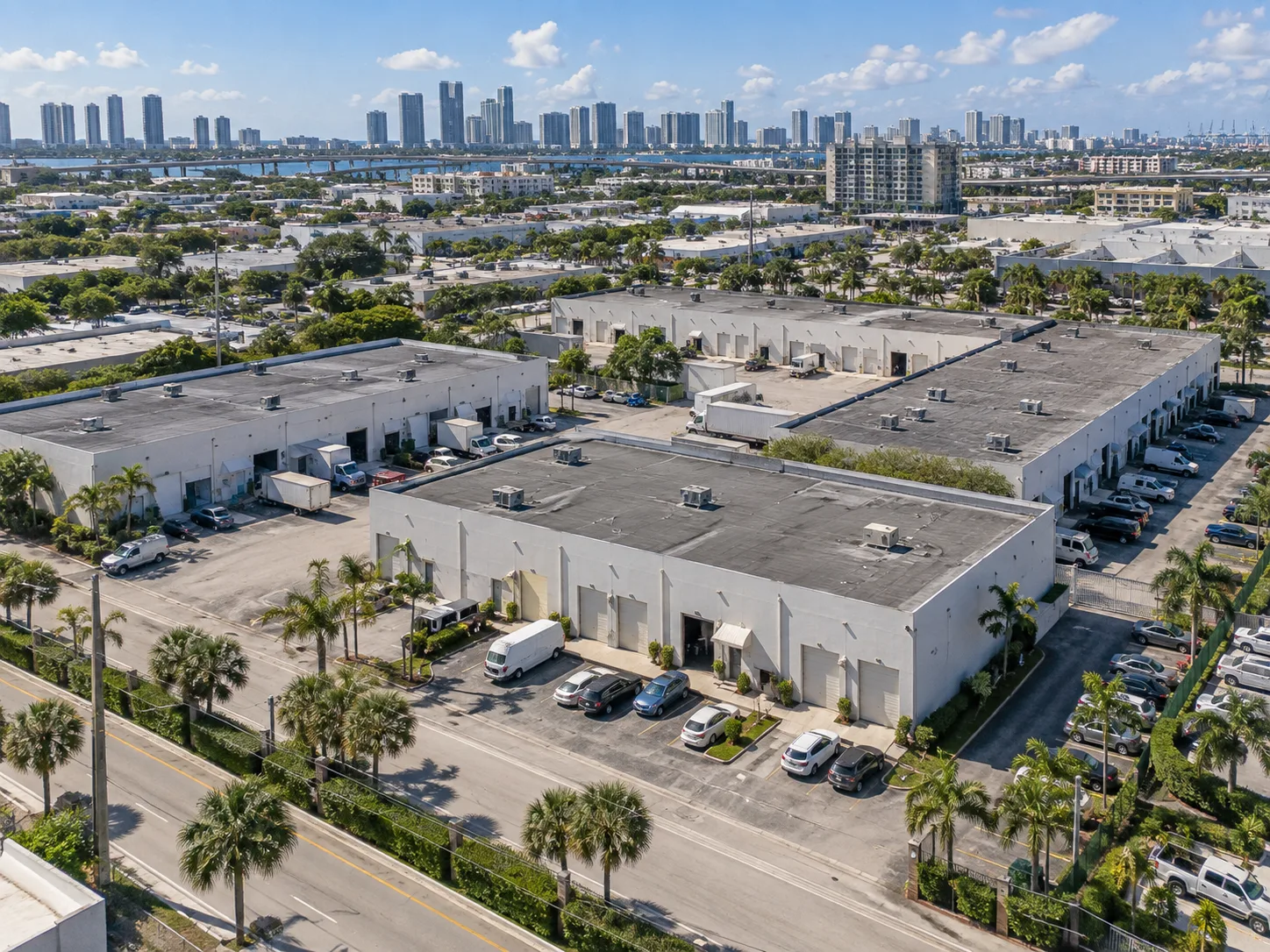
Samsung said the relocation is part of a broader organizational transformation intended to position the company for long-term growth and improve alignment across teams. The company will move headquarters functions to its existing Plano operations, where it already occupies approximately 216,000 SF at 6625 Declaration Blvd., according to CoStar data.
Samsung also maintains a significant footprint across Plano’s Legacy Central campus, occupying more than 400,000 SF across multiple buildings and employing more than 1,000 workers in North Texas. The campus, owned by Regent Properties, is reportedly nearing full occupancy.
The relocation marks a sharp reversal from September 2025, when Samsung publicly celebrated the opening of its Englewood Cliffs headquarters. The company had moved into space previously occupied by Unilever, which relocated its own US headquarters to Hoboken.
New Jersey Faces Fresh Pressure
The announcement immediately reignited debate over New Jersey’s business climate. Republican lawmakers and business advocates pointed to the move as evidence that high taxes and regulatory burdens continue to undermine the state’s competitiveness.
Michele Siekerka, president and CEO of the New Jersey Business & Industry Association, argued that the state’s corporate tax structure has contributed to a decline in Fortune 500 company presence. According to NJBIA, New Jersey’s Fortune 500 count fell from 22 companies in 2018 to 15 in 2025.
The timing also amplified comparisons with other recent departures. Business groups cited ExxonMobil’s decision to move its legal domicile to Texas earlier this year, even though the company has long maintained operational headquarters there. Together, those moves have become focal points in the state’s ongoing debate over economic development policy and corporate retention efforts.
Why It Matters
Samsung’s move highlights how headquarters decisions increasingly reflect broader business strategy, not just office needs. The company is exiting a headquarters location less than a year after moving in, underscoring how quickly corporate priorities can shift.
The relocation also reinforces Texas’ growing appeal for major employers. For New Jersey, the departure adds fuel to an ongoing debate over whether tax and regulatory policies are making it harder to retain large corporate tenants and headquarters operations.
What’s Next
Samsung plans to complete the relocation by the end of 2026, though details about employee transitions and potential incentives remain unclear.
The move further strengthens Samsung’s Texas footprint, which already includes major office operations in Plano and semiconductor investments in Austin and Taylor. Market observers will be watching whether the relocation adds momentum to Texas’ ongoing success in attracting corporate headquarters.