




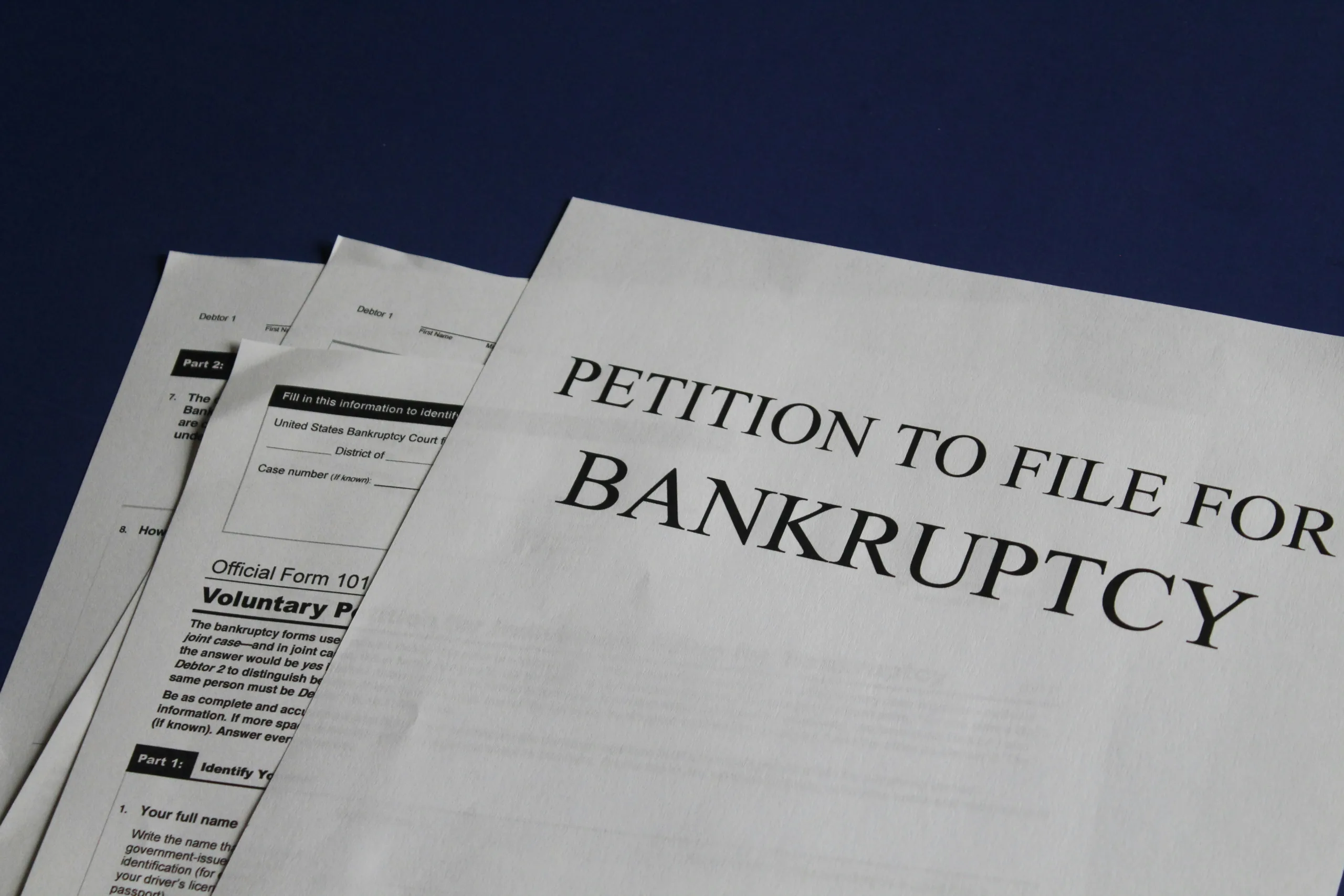



- Corporate bankruptcy filings rose nearly 12% year-over-year to over 591,000, per Administrative Office of the US Courts.
- Retail and restaurant tenants are increasingly rejecting or renegotiating leases, directly impacting commercial landlords and property values.
- CRE owners face increased uncertainty but some are backfilling space with new growth tenants as market churn accelerates.
Landlords See Wave of Restructurings Amid Bankruptcy Surge
A spike in US corporate bankruptcies is roiling the real estate landscape, particularly in consumer-facing sectors. Bisnow reports that total US bankruptcy filings jumped by more than 62,000 to 591,850 in the 12 months through March, a nearly 12% gain year-over-year according to the Administrative Office of the US Courts. High interest rates, sticky inflation, and shifting consumer habits are the primary culprits, forcing many firms—especially retailers and restaurants—to reevaluate their real estate commitments under Chapter 11.
This rising tide of bankruptcies is prompting landlords nationwide to brace for more lease rejections, rent cut requests, and property turnover. With consumer price growth and affordability concerns hitting both top-line revenue and bottom-line margins, many tenants are leveraging bankruptcy processes to offload underperforming locations, often at landlords’ expense.
Get Smarter about what matters in CRE
Stay ahead of trends in commercial real estate with CRE Daily – the free newsletter delivering everything you need to start your day in just 5-minutes
The Lease Rejection Playbook
The current restructuring wave follows a familiar but more aggressive script. Experts told Bisnow that many companies begin Chapter 11 by reviewing their real estate portfolios. They keep strong locations and target weaker stores for renegotiation or closure.
Landlords often face two bad options. They can accept lower rent or take back the space. SRS Real Estate Partners’ Neill Kelly said these standoffs have grown more intense. Tenants now use bankruptcy protections to strengthen their negotiating position.
Recent cases highlight the trend. Popeyes franchisee Sailormen Inc. sold only 97 of its 149 Florida locations during bankruptcy. Burger King operator Carrols Restaurant Group rejected nine of 57 leases during its 2025 Chapter 11 process.
The impact extends beyond retail. Industrial and office landlords can also suffer when bankruptcies disrupt supply chains and support operations, according to Marcus & Millichap’s Darpan Patel. Lease rejection caps landlord claims, often leaving owners with only a fraction of what tenants owe.
Retail and Restaurant Distress Deepens
Consumer pressure continues to hit restaurants and retailers the hardest. The consumer price index rose 4.2% year over year in May, according to Trading Economics. That marked the fastest increase since April 2023.
The Harris Poll for The Guardian found that more than 90% of Americans view current conditions as an affordability crisis. Meanwhile, the Brookings Institution reported that half of US households could not cover basic expenses in 2024.
As consumers stretch every dollar, foot traffic and sales decline. Marginal locations become harder to justify and riskier to operate.
Restaurant operators face additional pressure. Rising food costs, weaker demand, and health trends continue to squeeze margins. Restructuring attorney Jordi Guso pointed to the growing impact of weight-loss drugs on restaurant spending patterns. At the same time, stronger demand for dining out has helped leading operators outperform weaker competitors in several markets.
Smaller chains increasingly turn to bankruptcy to survive. Miami-based Negroni Bistro & Sushi Bar offers one example. Many operators struggle under expensive cash advances and inflexible long-term leases.
Why It Matters
Bankruptcy-driven closures continue to reshape the CRE landscape. Once a tenant enters bankruptcy, leverage shifts quickly in its favor. Landlords cannot pursue back rent or evict tenants during a court-ordered stay. Courts also cap damages at 15% of the remaining lease value.
Large operators often use their scale to secure favorable outcomes. Saks Global exited Chapter 11 in June with one-third of its former locations and 75% less debt.
Smaller businesses have fewer options. However, Newpoint Advisors Corp. reported a 93% jump in small business Chapter 11 filings, showing that distress extends well beyond large chains.
Property owners now face higher risks of sudden vacancies and below-market rents. The threat remains highest in suburban and lower-income markets.
Still, opportunities exist for proactive landlords. Patel noted that strong locations can attract expanding brands such as Dutch Bros Coffee or 7Brew. These tenants often move quickly to capture market share during periods of disruption.
The current cycle continues to separate strong operators from weak ones. Every filing forces landlords to reassess both leases and tenant quality. Unless rates and inflation ease, this pattern will likely continue.
What’s Next
Most market observers expect bankruptcies to remain elevated while rates, inflation, and consumer caution persist. Landlords should prioritize tenant credit and location quality when evaluating risk.
Strong properties may attract stronger replacement tenants. Secondary assets will likely face greater pressure and longer vacancies.
For CRE investors, speed and preparation will matter most. Investors who can pivot quickly and underwrite tenant quality may benefit from continued market disruption through 2026.