




- Retail sales rose 6% year-over-year in August 2026 and have averaged 5.2% growth year-to-date, a pace historically uncommon outside post-recession recoveries.
- Households remain financially healthy overall, as rising incomes and record savings offset auto, credit card and household debt sitting at or near record highs.
- Durable consumer spending is supporting 5.8% multi-tenant retail vacancy, record single-tenant deal velocity and strong industrial absorption across the country.
U.S. retail sales rose 6% year-over-year in August 2026, according to a Marcus & Millichap research brief, extending a run of durable consumer spending despite slower job creation, weak sentiment and elevated inflation.
Year-to-date retail sales growth has averaged 5.2%.
Get Smarter about what matters in CRE
Stay ahead of trends in commercial real estate with CRE Daily – the free newsletter delivering everything you need to start your day in just 5-minutes
Consumers Keep Spending
Consumer spending accounts for nearly 70% of U.S. GDP, and Marcus & Millichap noted that growth of this magnitude is historically uncommon outside post-recession recoveries. Adjusted for inflation, retail sales rose 2.5% in August and have averaged 1.7% so far this year.
Core retail sales, which exclude autos and gasoline, climbed 5.6% nominally in August, or 2.4% in real terms.
The Details
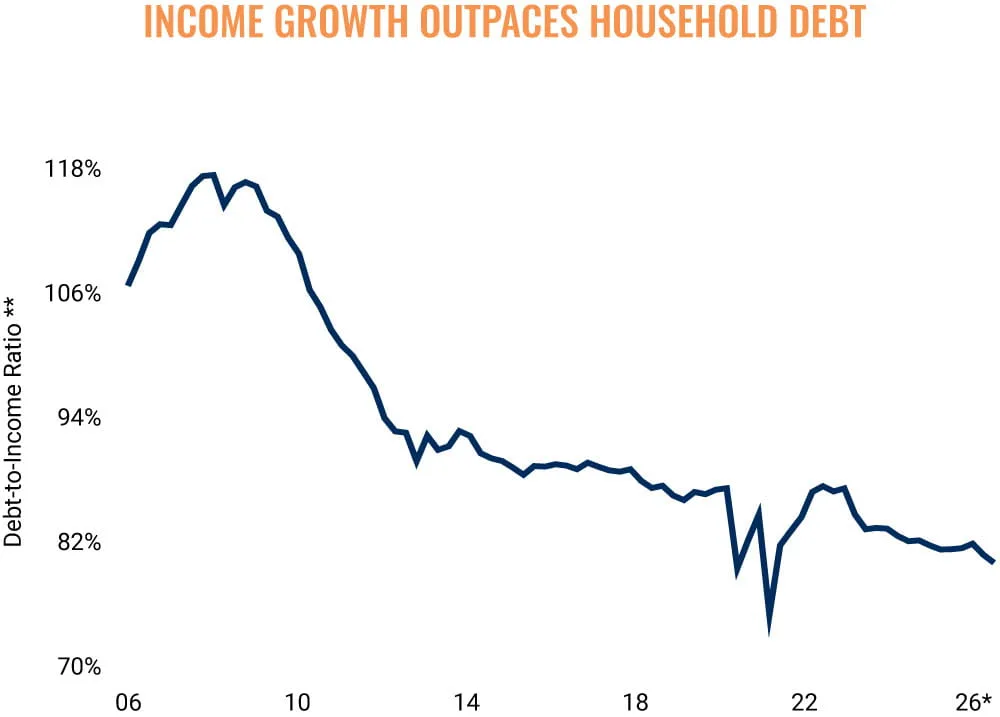
Borrowing has helped fuel spending, with auto, credit card and total household debt at or near record highs as of June. But rising incomes are pushing debt down as a share of income, and consumer savings, including money market funds, sit at all-time highs after rising 4.5% over the past year.
Sporting goods, restaurants and bars, and building materials have posted some of the strongest gains outside e-commerce. Experiential categories such as fitness, entertainment, beauty and spa have outperformed since the pandemic.
Retail Space Stays Tight
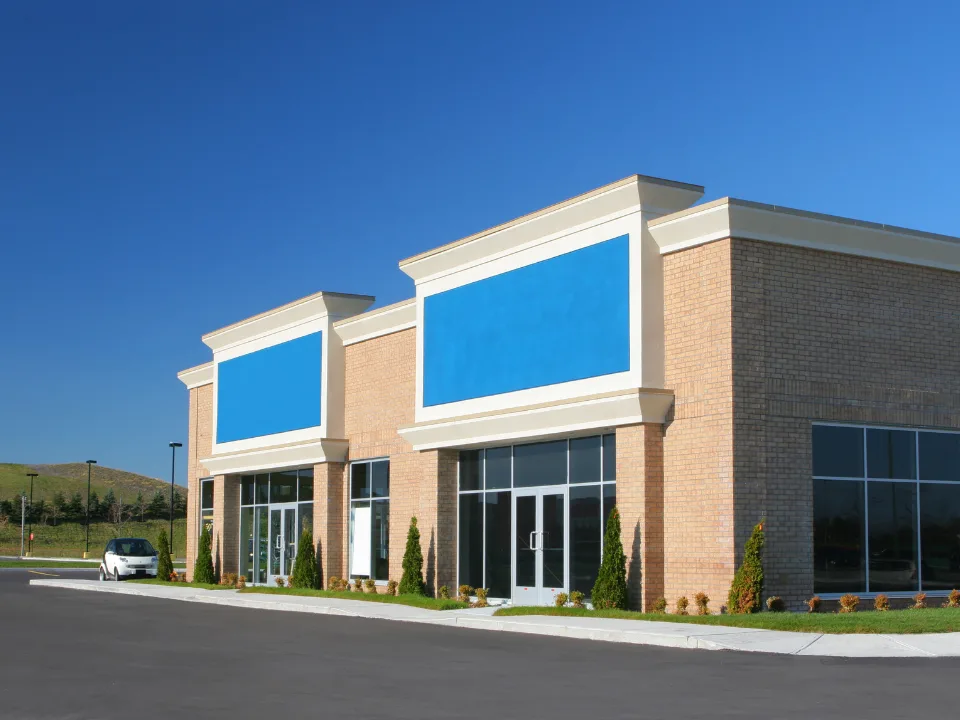
Multi-tenant retail vacancy held steady at 5.8%, including 9% for shopping malls. Excluding malls, vacancy across grocery-anchored, unanchored, lifestyle and power centers is just 4.9%, supporting 2.2% year-over-year rent growth as of June.
That tightness comes as retail construction sits at a record low, limiting new competition for existing centers.
Why It Matters
Investors are responding. Multi-tenant deal volume is just 4% below its 2022 peak, and trailing 12-month single-tenant transaction velocity hit a record high, per Marcus & Millichap.
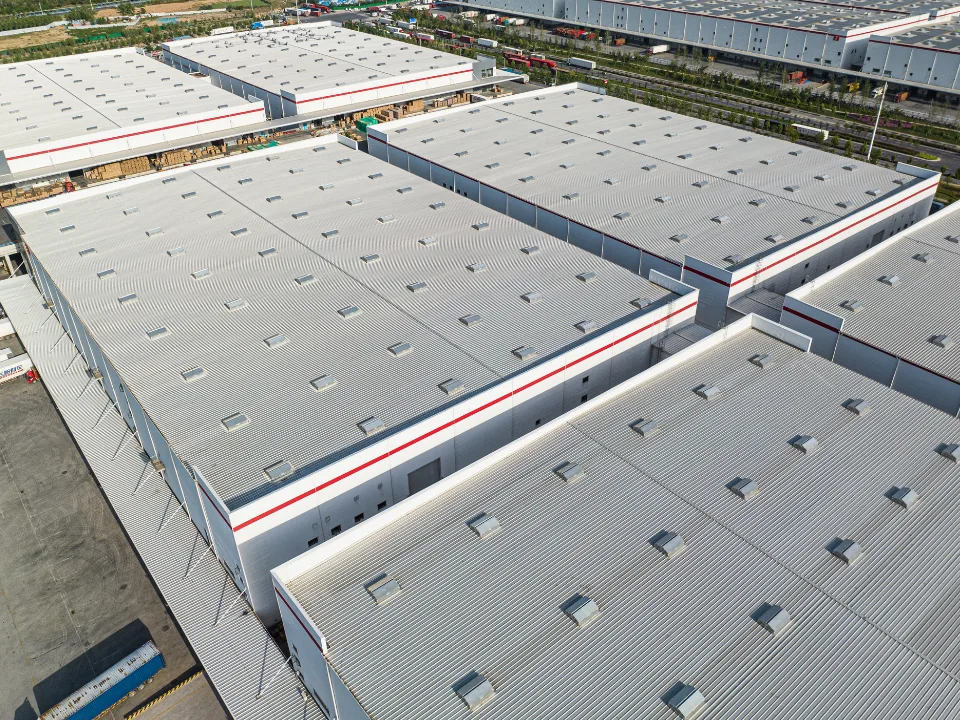
Strong sales are also lifting industrial, where net absorption topped 86 million square feet in the first half of 2026, more than four times the year-earlier total. Still, industrial supply continues to outpace demand, keeping national vacancy at 7.8% as of Q2 2026.
August’s strength also showed up in retail foot traffic data, though gains weren’t uniform across formats.
What’s Next
Marcus & Millichap said refinancing pressures may create acquisition opportunities for investors with available capital while adding upward pressure on cap rates. Broader economic growth and proximity to consumer amenities should also support apartment and office demand.
As long as households keep spending, retail and industrial fundamentals have a durable tailwind.