







- A GatherGov analysis of 24,112 public-meeting mentions across 1,693 jurisdictions found mobile home rent stabilization producing adopted ordinances in Maine, inland California, and rural counties with no rent-regulation history.
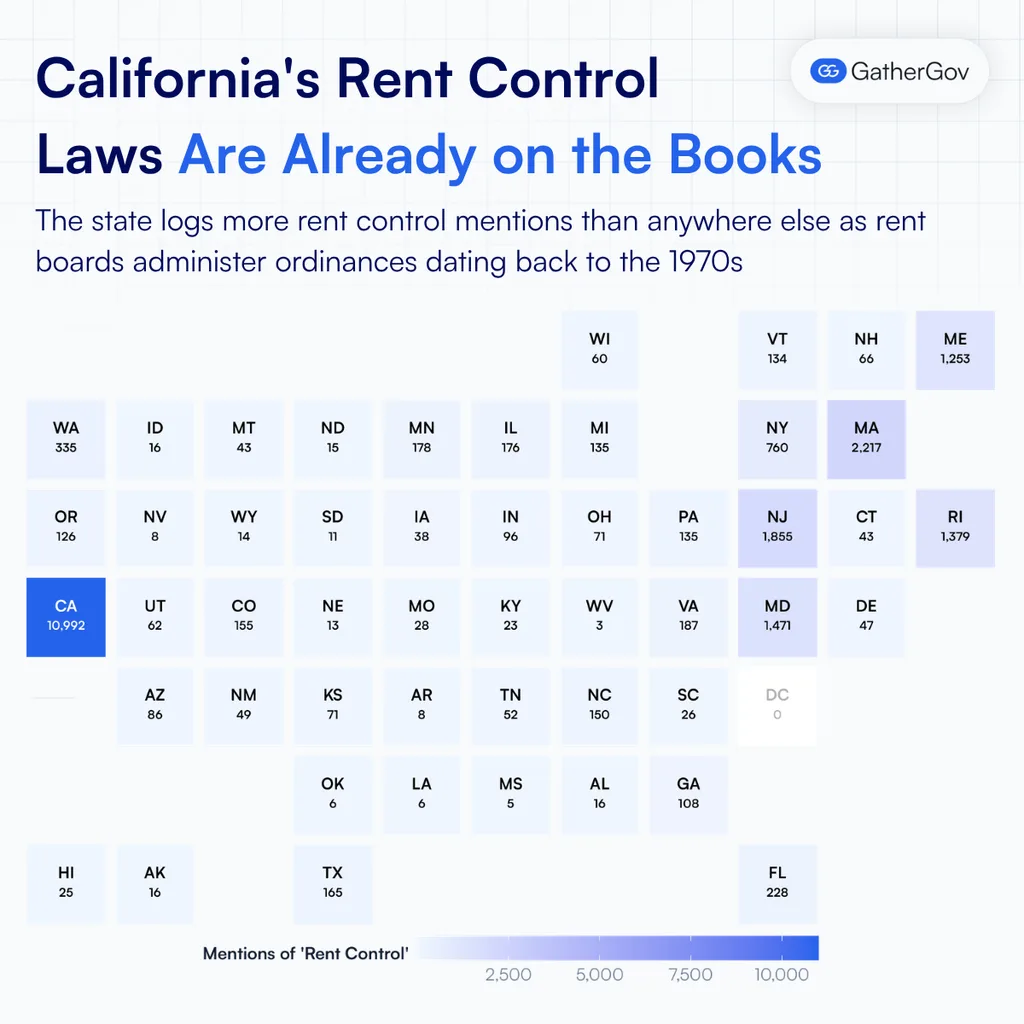
- California drives 46% of all mentions, but most is administration of existing programs; real adoption risk concentrates in cities drafting brand-new ordinances, including Santa Barbara, Vallejo, and Lake County.
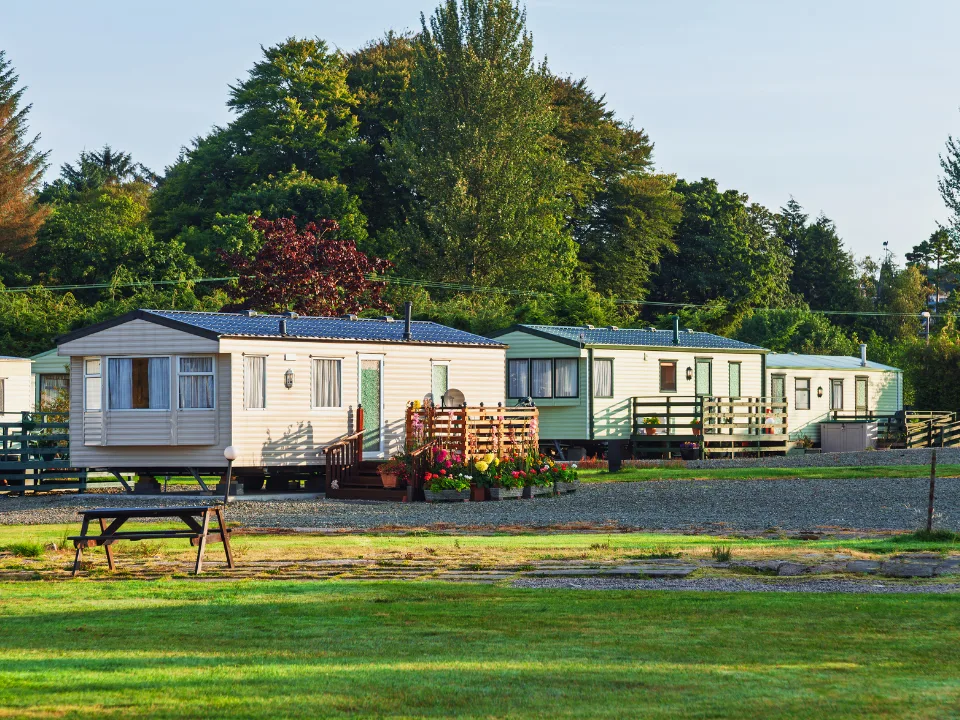
- Because manufactured-home residents own their structures but rent only the land beneath them, “space rent stabilization” wins support from officials who’d reject apartment rent control outright, worth watching nationally.
A new analysis of public meeting records found 24,112 mentions of rent control across 1,693 U.S. jurisdictions over the past year, and the fastest-moving trend isn’t happening in traditional rent-control strongholds, it’s in mobile home parks. Cities and counties with zero prior rent-regulation history are adopting mobile home rent stabilization ordinances, from inland California to rural Maine, according to GatherGov’s review of public meeting transcripts. The pattern suggests rent regulation is finding a new foothold precisely where apartment rent control has never taken root.
Get Smarter about what matters in CRE
Stay ahead of trends in commercial real estate with CRE Daily – the free newsletter delivering everything you need to start your day in just 5-minutes
A Different Politics for Mobile Homes
Because mobile home park residents own their homes but rent only the land beneath them, “space rent stabilization” appeals to officials who would never support traditional apartment rent control. That distinction is opening the door in places with no history of rent regulation at all: Auburn, Saco, and Sanford, Maine; Lake County, San Luis Obispo, Fortuna, Eureka, and Jurupa Valley in inland California; and even Minnesota’s state Senate, where manufactured-home rent limits for seniors were part of this year’s housing negotiations. Mobile home parks account for 17% of all rent control mentions in the dataset, a disproportionate share of new ordinance adoptions relative to their overall volume.
The Details
Auburn, Maine passed final reading on a mobile home park rent stabilization ordinance in August 2026, creating a rent board with defined authorities, a move other Maine cities are now citing in their own hearings as precedent. San Luis Obispo introduced amendments tightening its existing Mobile Home Rent Stabilization Ordinance on August 18, 2026, closing a transfer and vacancy loophole that let park owners keep extracting value on resale. Lake County’s Board of Supervisors held two town halls on a potential ordinance in August alone, drawing 83 meetings of discussion this year, an extraordinary volume for a rural county. Red Bank, New Jersey adopted updates modernizing its existing rent control ordinance the same month, part of a broader pattern of mature Northeast markets tightening older rules.
Rent Control’s Other Front Lines
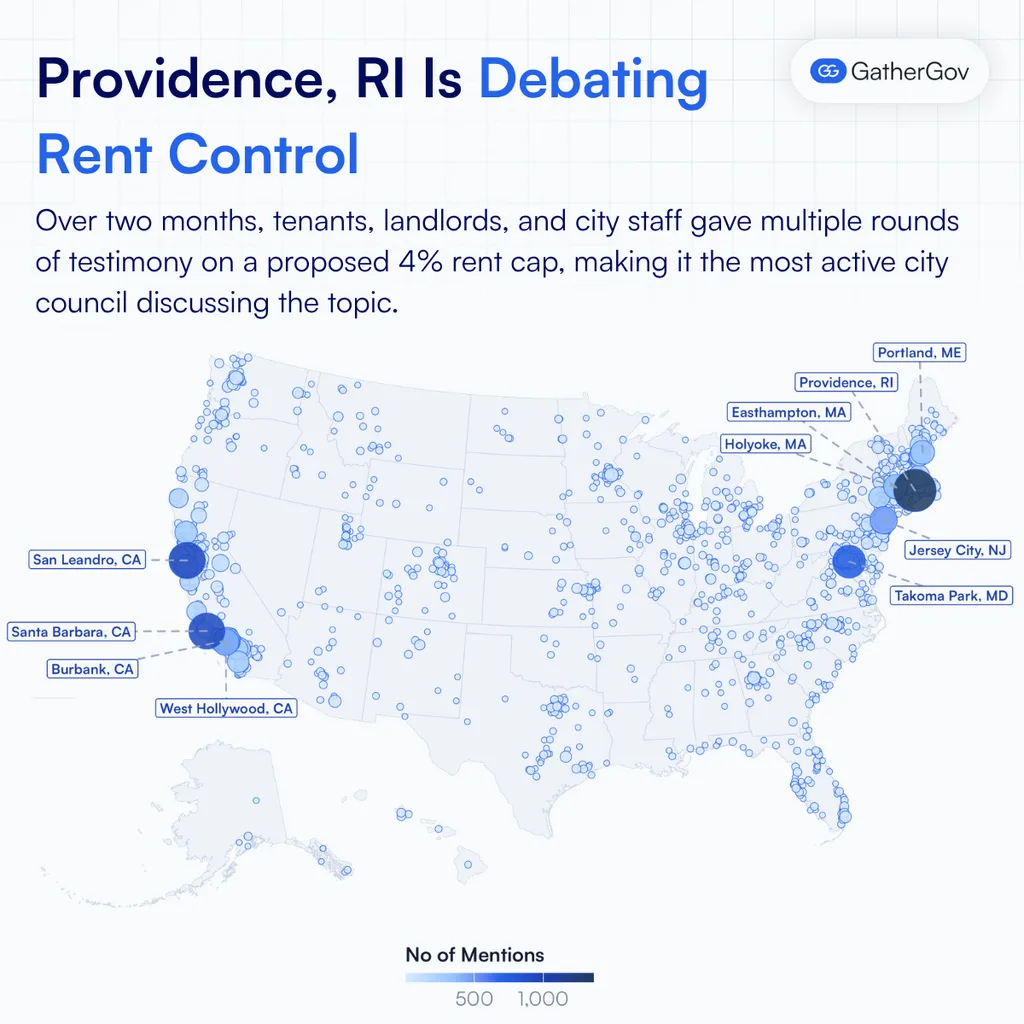
Mobile homes aren’t the only story. Providence, Rhode Island passed a full Rent Stabilization Act that survived a mayoral veto fight in May 2026, and proponents are now treating the city’s September 2026 mayoral election as the deciding vote. Santa Barbara is furthest along on a new apartment rent stabilization ordinance in California, reviewing a draft alongside just-cause and Ellis Act amendments in July 2026, with an interim rent freeze already in force. And eight-plus Massachusetts cities, including Boston, Worcester, Salem, and Springfield, are organizing ballot questions and home rule petitions despite the state’s 1994 statewide ban, betting on a future state-level unlock. In Nevada, a state with no active rent control law, an August 20 interim legislative hearing drew industry witnesses warning that “capital dries up” under rent stabilization and tenant advocates countering that industry narratives are designed to “kill development,” positioning ahead of the 2027 session.
Why It Matters
California still accounts for 46% of all rent control mentions nationally, but most of that volume is routine administration in mature markets like West Hollywood, Santa Monica, and Mountain View. The real underwriting risk for CRE owners sits in cities drafting entirely new ordinances, plus a separate and easy-to-miss hazard in New Jersey: Jersey City’s rent leveling board recently ruled that two buildings had “always been subject to rent control” and ordered rents recalculated back to 2016 levels, exposing owners who assumed their assets were exempt. Providence’s veto fight also surfaced a political dynamic worth tracking, a councilor noted the “contradiction” of colleagues who opposed rent stabilization after backing the city’s ban on algorithmic rental pricing, suggesting RealPage-style ordinances are becoming a gateway to broader rent regulation.
What’s Next
Expect the mobile home wave to keep expanding into new geographies over the next 12 months, particularly coastal and New England markets, while Massachusetts’s ballot organizing keeps pressure on the state legislature to revisit its rent control ban. Nevada is worth watching closely: its legislature has passed rent control bills twice before, and renewed agitation ahead of 2027 suggests a third attempt is likely. GatherGov’s tiering places Providence, Santa Barbara, and the Maine mobile home cluster in the highest-risk tier for binding change within six to twelve months, with a second tier of California and Massachusetts markets on a 12-to-24-month horizon.