







- Institutional investors are returning to Seattle multifamily, with landmark deals like BGO’s $353M acquisition of The Ayer in Denny Triangle.
- Sales volume in Seattle apartments reached $5B over the last year, nearly double the market’s trough, per CoStar.
- Investors view the market as having reset, positioning ahead of expected tech-driven rent growth and AI sector expansion.
Cycle Trough Lures Institutional Capital
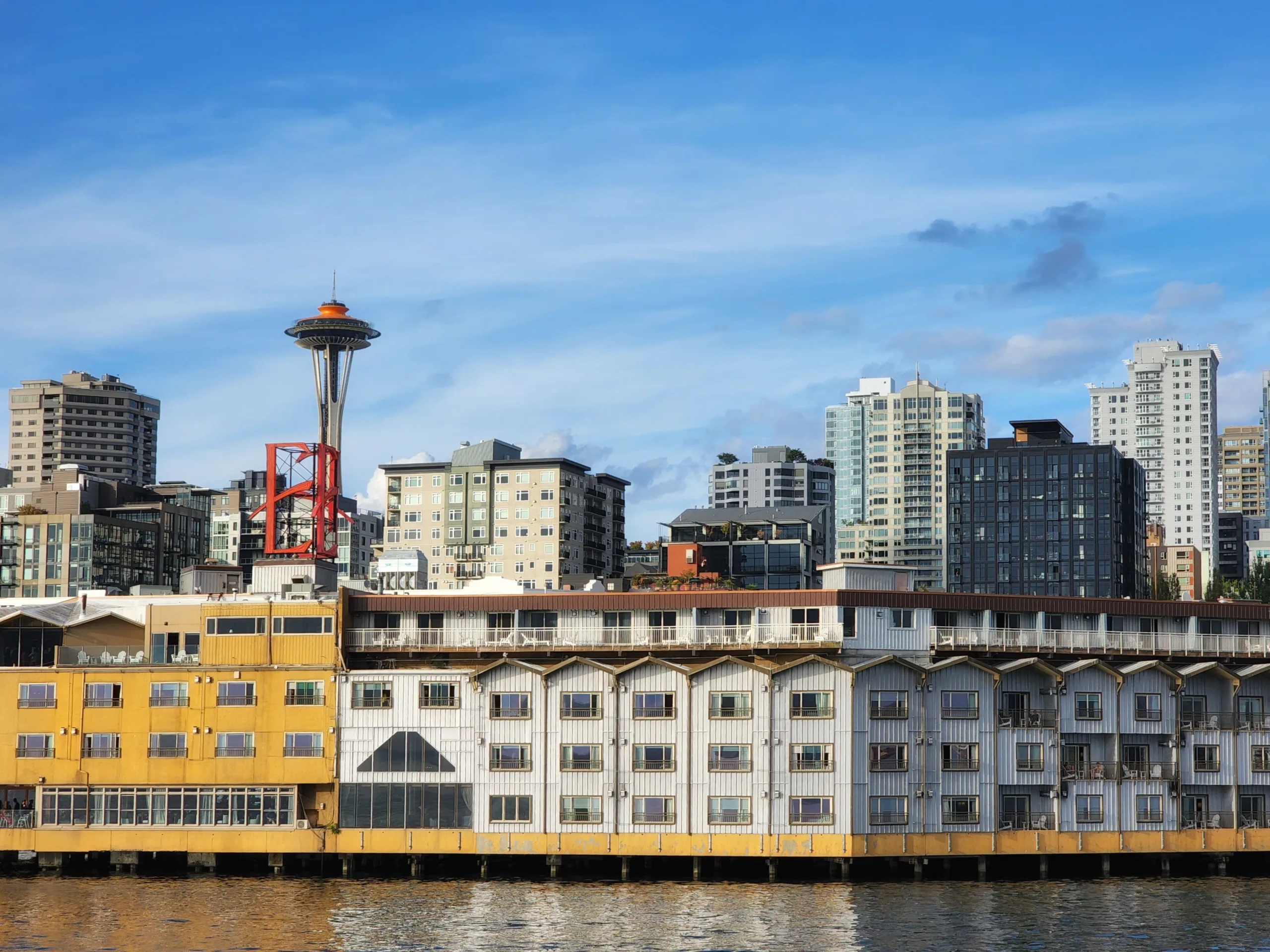
Big buyers are back in Seattle’s apartment market, reversing several cautious years for institutional capital. According to CoStar News, BentallGreenOak (BGO) set a city record with its $353M purchase of The Ayer in the Denny Triangle, part of a spree that saw more than $500M deployed into new rental assets so far this August. The sudden surge in high-profile acquisitions follows a local dry spell, as major employers like Amazon and Starbucks shrank office footprints and market uncertainty kept capital parked on the sidelines. Analysts say this uptick represents a clear shift: major investors are betting the worst is over and that Seattle is poised for another upswing, as evidenced by multiple record-breaking sales and renewed portfolio activity citywide.
This activity doesn’t occur in isolation. Seattle’s downtown office market remains challenging, with a vacancy rate of 35%, more than double the US average per CoStar. Nearly 40% of local apartments are offering concessions to lure tenants. Yet, this wave of fresh institutional cash suggests deep-pocketed buyers see value at current pricing levels—or at least, a market that has finally bottomed out, primed for a rebound amid broader economic shifts and slowing new supply.
Get Smarter about what matters in CRE
Stay ahead of trends in commercial real estate with CRE Daily – the free newsletter delivering everything you need to start your day in just 5-minutes
Signature Deals Define New Market Confidence
BGO’s $353M buy of The Ayer established a new high-water mark for Seattle apartment trades, with a per-unit price north of $777,500. This deal eclipses the previous record set by the 2022 sale of Kiara. BGO also acquired the Independent apartments in Ballard for $152M, signaling aggression at the top end of the market. Just days earlier, Mesirow Financial committed $157M for Island Square on Mercer Island, the highest price ever for an apartment asset in that submarket.
In a suburban context, Bower Village in Kent traded hands for $45M, only modestly more than its 2019 valuation. Together, these deals pushed annual Seattle area apartment volume to $5B, per CoStar—a doubling since the local trough two years ago. Nationally, this aligns with momentum like BlackRock’s $1.6B acquisition of 11 Camden properties in Southern California, marking the largest US apartment portfolio move in over two years.
AI Economy Fuels Selective Recovery
The West Coast’s multifamily investment bounce isn’t unique to Seattle, but the local mix is notable for scale and selectivity. Seattle previously led major metros with a 7.3% annual rent decline, underscoring how sharply local conditions had weakened. While broader US rent growth slowed, Seattle’s comeback is concentrated in newly built, amenity-rich, urban, and transit-oriented product. Older and suburban assets see only marginal price recovery, reflecting persistent caution outside in-demand submarkets.
Much of the bullishness rests on the region’s tech and artificial intelligence growth prospects. Essex Property Trust CEO Angela Kleiman pointed to public announcements of AI expansion reaching Seattle, echoing trends that first drove rebounds in San Francisco and New York. According to CoStar, national apartment demand strengthened in Q2 2026 as new construction leveled off, helping push US vacancies below 8%. CBRE’s latest outlook forecasts a 20% jump in multifamily deal volume this year, the sharpest increase of any property type. For Seattle, this means investors are betting not on today’s soft fundamentals but on where rents and values will be in coming cycles, particularly as the development pipeline thins and tech leases rebound.
Why It Matters
The return of institutional buyers to Seattle multifamily isn’t just about discounted entry prices. It signals a shift in how capital views the city’s longer-term fundamentals, especially with the AI sector possibly driving a fresh job wave. As Essex executives emphasized, new AI-linked demand historically radiates out from San Francisco to Seattle, a pattern that could reignite rent growth and occupancy just as the construction wave fades. For owners of prime, newer assets, this is a validation of the “wait it out” strategy—record pricing on towers like The Ayer demonstrates that the capital stack is returning for best-in-class product despite uneven performance elsewhere in the market.
The big caveat: the recovery is far from uniform. Downtown office occupancy is still weak, and over a third of apartments are resorting to concessions, highlighting ongoing softness. Older properties and those in less central locations remain difficult to trade or finance at appetizing values, creating clear winners and losers. However, the recent ramp in deal volume to $5B over the past year (per CoStar) represents real momentum, suggesting large buyers think Seattle’s cycle lows are behind it. The moves also put Seattle at the forefront of the West Coast apartment rebound, just as national multifamily is forecast to lead all property types in transaction growth this year, per CBRE.
What’s Next
Expect more buyer interest to flow toward high-end and transit-connected apartment assets as institutional investors look to front-run rent growth and economic healing tied to artificial intelligence and tech-sector jobs. With the new supply pipeline slowing and national apartment investment projected to rise 20% this year according to CBRE, Seattle is likely to remain a focal point for strategic capital.
Some market observers, including Kidder Mathews, see this as a positioning play: big buyers are moving now with conviction that the next rental upswing is imminent. Meanwhile, legacy and suburban assets may continue to see slower price recovery, creating a two-speed market until improved fundamentals spread more broadly.