






- A Prologis and Harris Poll survey of 1,800-plus leaders found 91% say retailers and logistics providers urgently need decentralized fulfillment networks to meet delivery expectations.
- Just 36% of companies plan to keep their current global footprint, down 14 points from a year earlier, and power reliability is now the top factor in picking logistics locations.
- Prologis CEO Dan Letter says the firm is focusing on submarkets near consumers while scaling solar, storage and fleet electrification, so landlords may increasingly be judged on energy as well as location.
Warehouse strategy is migrating toward the customer. A new Prologis and Harris Poll survey found 91% of business leaders say logistics needs decentralized fulfillment networks, CNBC reports.
The poll drew more than 1,800 respondents across six countries, including the U.S., Germany, India and China.
Get Smarter about what matters in CRE
Stay ahead of trends in commercial real estate with CRE Daily – the free newsletter delivering everything you need to start your day in just 5-minutes
Footprints Are Shifting
Only 36% of firms expect to hold their current global setup, a drop of 14 points year over year. More than half are diversifying and regionalizing at once, while about a third are nearshoring or reshoring.
Delivery speed is the main driver. Companies providing same-day delivery have doubled in share since 2019, and respondents put speed ahead of price as a competitive edge.
Power Becomes a Site Factor
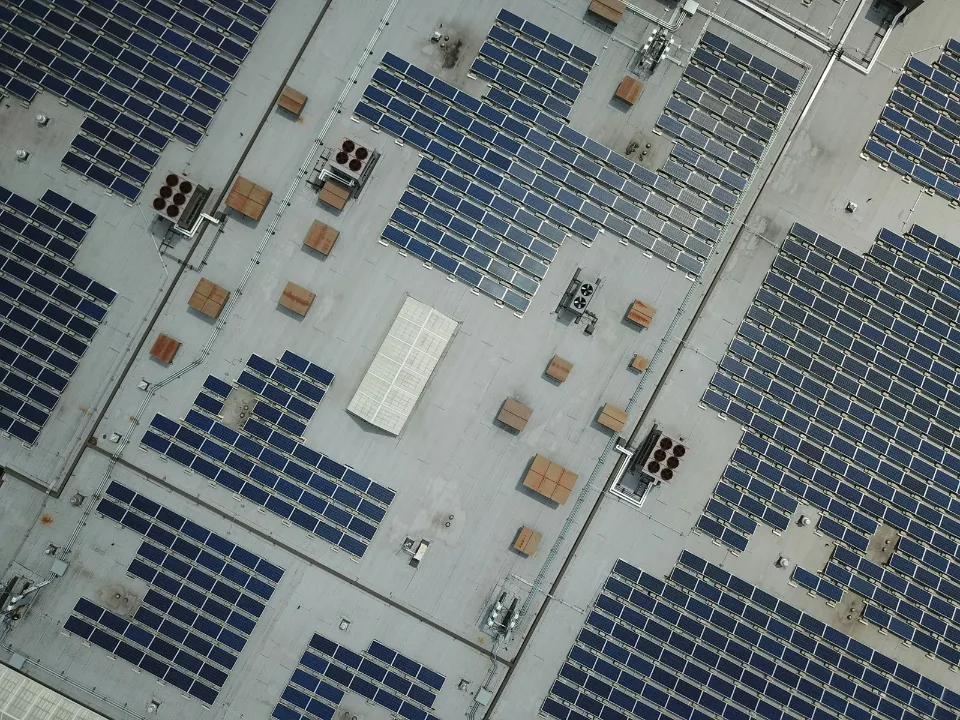
Power reliability is now the first consideration in logistics site choices, partly because of AI. A little more than 25% of executives look to owners and builders to take the lead in funding on-site resilience, from solar and storage to fleet charging.
Prologis CEO Dan Letter told CNBC the company made energy a business roughly half a decade back and now generates more than 1.4 gigawatts from solar and storage.
Letter also said Prologis is investing alongside customers as they go deeper on AI, to understand what comes next.
AI Enters the Warehouse
Three-quarters of those polled plan large AI investments in demand forecasting and inventory replenishment. Respondents named forecasting and agentic AI among the most transformative supply chain tools of the next three years.
Pruning the Portfolio
Letter told CNBC Prologis is picking specific submarkets in major population centers, to be “closer to those rooftops.” The firm holds 1.3B SF yet has sold more than 200M SF in 15 years because customers didn’t want it.
Zoom Out
The survey echoes Prologis’ latest numbers. Our brief on its development outlook reported $5B to $5.75B of development underway by year-end, 95.1% occupancy and data center and power deals at 17% of US leasing.
Earlier this year, we covered Prologis’ view that logistics rents were bottoming after global rents slipped 3.7% in 2025.
Why It Matters
Location, speed and power now compete for tenant attention. Sites close to consumers with reliable electricity may beat large boxes far from demand.
Owners who can deliver power infrastructure, not only square footage, may hold an edge with occupiers.
One caveat: the survey was run by a landlord with a stake in decentralized networks, so it reflects Prologis’ strategy as much as the market’s.
What’s Next
Watch whether more landlords follow Prologis in funding on-site energy for tenants, as roughly a quarter of surveyed executives said they expect.