

- Pimco anchored the $16B Oracle Michigan data center deal on its own terms, structuring debt to match Oracle’s lease duration.
- The firm built a dedicated team for AI infrastructure bets, seeking downside protection and negotiating investor-friendly covenants.
- Pimco’s assertive approach highlights a shift in power among institutional capital, with implications for the future of privately negotiated tech debt.
Pimco Pushes Into AI Infrastructure
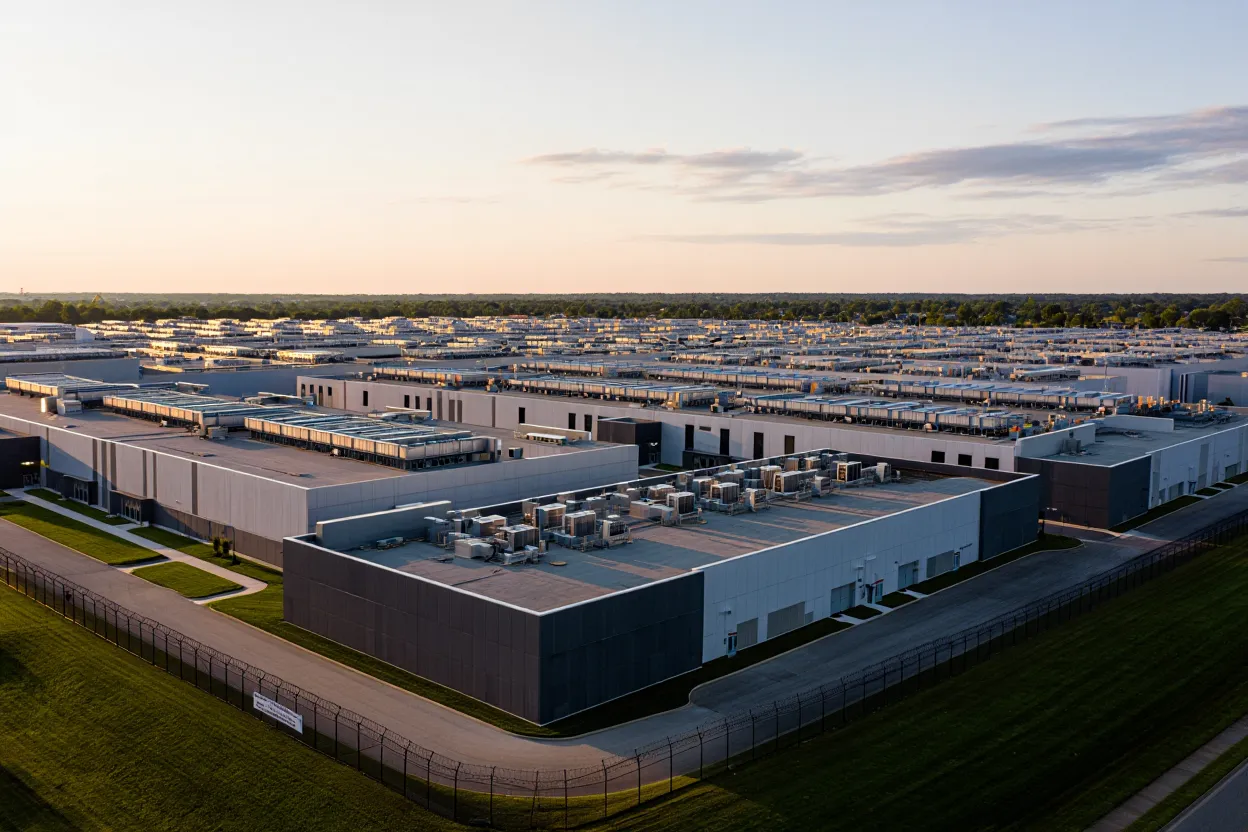
Pimco, one of the world’s largest asset managers, is building a stronger position in AI-driven data center financing. Bloomberg reports the firm recently anchored debt for Oracle’s $16B data center campus in Saline, Michigan. However, Pimco first secured bond terms that matched its risk strategy.
Instead of accepting shorter-term, lower-cost debt favored by Bank of America and project sponsors, Pimco pushed for long-dated bonds. Those bonds aligned with Oracle’s long-term lease commitments.
The move reflects Pimco’s caution toward the surge of private credit flowing into AI infrastructure. Although the $2.3T asset manager has warned about growing risks, it continues investing selectively. It prefers deals where it can shape financing terms from the start.
Get Smarter about what matters in CRE
Stay ahead of trends in commercial real estate with CRE Daily – the free newsletter delivering everything you need to start your day in just 5-minutes
Structuring Power in the AI Debt Boom
AI and cloud data center development continues attracting record investment. Goldman Sachs projects more than $5.3T in spending by 2030. As competition grows, Pimco combines caution with negotiating leverage.
Chief Investment Officer Dan Ivascyn personally approves every AI infrastructure deal. A dedicated team of 30 to 40 professionals supports that process. In the Oracle financing, Pimco negotiated covenants, maturities, and yields that matched tenant lease terms.
Blue Owl Capital and Apollo Global Management have also expanded into tech lending and data centers. However, Apollo often syndicates larger portions of its loans. Pimco instead anchors transactions, negotiates customized protections, including lease breakage guarantees, and lets banks distribute the remaining debt. The firm’s growing exposure follows another major AI infrastructure financing that delivered significant gains from Meta-backed debt, reinforcing its long-term strategy.
Bloomberg reports Pimco’s flagship fund now holds more than $4B of debt in Meta’s Louisiana data center financing.
Borrowers Adapt as Institutional Appetite Grows
The market has forced borrowers and banks to adjust. Bank of America struggled to place enough shorter-term, lower-yield debt. As a result, Pimco returned with a private financing solution.
In both the Oracle and Meta deals, sponsors accepted stronger investor protections for greater execution certainty. Oracle’s Michigan bonds later fell to 95 cents on the dollar. Still, institutional investors continue pursuing deals that offer stronger downside protection, despite higher borrowing costs.
Other technology companies are following the same model. After working with Pimco and Blue Owl, Meta secured a $12B financing package from BlackRock for its El Paso facility. That transaction followed a similar anchor-investor structure.
These financing models continue shifting leverage from banks toward institutional investors with capital and negotiating power.
Why It Matters
Pimco’s approach highlights a broader shift across CRE finance. Barclays’ Andrew Keches believes investor control over documentation, security, and covenants now matters more than joining syndicated private debt offerings.
As trillions flow into AI infrastructure, large investors increasingly shape financing standards. They can demand stronger protections against tenant risk and asset volatility.
However, the strategy still carries meaningful risk. The data center sector has not yet proven its resilience during a prolonged recession. Long-term tenant demand also remains uncertain.
Bloomberg reports Pimco’s Oracle-backed bonds have already declined alongside broader concerns about AI-related debt. Even so, investors may accept greater concentration risk for better control over investment terms. They also hope institutional-quality data center bonds become a reliable income source.
As more asset managers enter the market, early deals will likely establish future financing standards. Data center debt has become a major battleground where scale, discipline, and negotiating strength increasingly determine outcomes.
What’s Next
Expect more multi-billion-dollar data center financings to move into private markets. Pimco, Apollo, and BlackRock will likely continue leading these transactions.
Developers may pay more for long-term, investor-friendly capital as questions about AI demand persist. Meanwhile, anchor investors will likely seek even stronger covenants and lease-matching maturities. Banks may increasingly shift toward syndication roles instead of leading pricing decisions. Future data center financings will likely follow the template established by Pimco and other large institutional investors.