



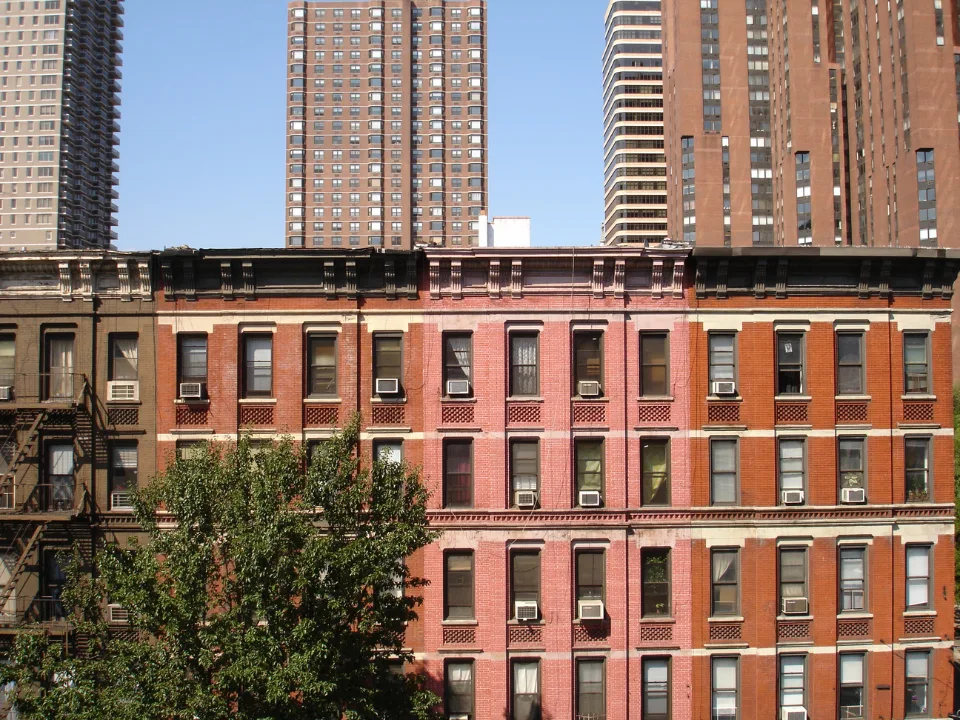



- Vacant rent-stabilized apartments reached roughly 57,000 in 2025, or 5.6% of New York City’s regulated housing stock, according to landlord filings obtained by The City.
- Owners point to rising operating costs, the 2019 Housing Stability and Tenant Protection Act, and the latest rent freeze as barriers to returning units to the market.
- The data highlights mounting financial pressure on aging regulated buildings, though housing advocates say vacancy figures alone do not explain why apartments remain empty.
Commercial real estate owners and housing policymakers have another data point in New York City’s long-running rent regulation debate, according to The Real Deal.
Landlord filings show the number of vacant rent-stabilized apartments continued to rise in 2025, even as the city’s broader housing shortage persists. The figures have renewed questions about whether aging regulated buildings remain financially viable under current rules or whether other factors are keeping units off the market.
Get Smarter about what matters in CRE
Stay ahead of trends in commercial real estate with CRE Daily – the free newsletter delivering everything you need to start your day in just 5-minutes
Higher Vacancy Adds To Housing Debate
About 57,000 rent-stabilized apartments sat vacant last year. That equals roughly 5.6% of the city’s nearly 1M regulated units, according to landlord registration data obtained by The City through a Freedom of Information Law request. The rate stood at 3.7% in 2016. It briefly climbed to about 7% during the pandemic in 2021 before easing. Manhattan has largely returned to pre-pandemic vacancy levels. Every other borough recorded higher vacancy rates in 2025 than nearly a decade earlier.
The Details
The figures come from annual registrations submitted each April to New York State’s Division of Homes and Community Renewal. The filings identify vacant apartments but do not explain why they remain empty. Some units may be under renovation or between tenants. Others may still be waiting to lease. The agency also said newly completed rent-stabilized buildings can appear in vacancy totals. That can happen before they reach full occupancy. The data provides a useful snapshot. It does not definitively show how many apartments are being withheld from the market.
Rent Rules Continue To Divide Owners And Advocates
Building owners argue the numbers reflect mounting financial pressure across the regulated housing sector. Many point to the 2019 Housing Stability and Tenant Protection Act. They say it limited vacancy-related rent increases and reduced their ability to recover renovation costs. Those concerns grew after the Rent Guidelines Board approved a two-year rent freeze for stabilized apartments. Owners say insurance, taxes, labor, and construction costs continue to climb. They argue renovations are especially difficult in older outer-borough buildings with lower rents.
Housing advocates urge caution when interpreting the vacancy data. They note that some vacancy is expected as apartments turn over or undergo repairs. Others point to lingering Housing Court backlogs. They say pandemic-era eviction protections extended the time some units remained vacant.
Older Buildings Face Growing Financial Pressure
The vacancy figures align with broader signs of stress across New York’s regulated multifamily sector. Research from the NYU Furman Center shows older buildings with mostly rent-stabilized units have posted inflation-adjusted income declines since 2019. Operating expenses have continued to climb. That widening gap has become a key issue for landlords seeking policy changes. It is also a concern for lenders evaluating the long-term performance of aging stabilized assets.
More owners may delay renovations or struggle to fund capital improvements. That could keep additional regulated units off the market despite strong demand across the city.
Why It Matters
For commercial real estate investors, lenders, and apartment owners, the latest vacancy data underscores the difficult economics facing New York’s regulated multifamily market. The number of empty apartments alone does not prove units are intentionally being withheld. Still, it highlights growing tension between affordability goals and property economics.
Future policy discussions will likely focus on whether existing regulations provide enough incentive for owners to reinvest in aging buildings while preserving affordability for tenants. As operating costs continue rising, that balance will remain one of the defining issues shaping New York City’s multifamily market.
What’s Next
The vacancy debate is unlikely to fade. Landlords continue pushing for policy changes that would make renovations more financially viable. Housing advocates remain focused on preserving tenant protections and affordability. Future vacancy filings, along with operating income trends, will help determine whether more regulated apartments return to the market or remain sidelined.