






- NYC office leasing reached 22.8M SF in H1 2026, marking the strongest first half since 2002 and putting the market on pace for its busiest year since 2000, according to Colliers.
- Law firms and AI tenants drove demand, including a 916K SF prelease by Simpson Thacher and Bartlett and 1.5M SF of AI-related leasing year to date.
- Tightening supply from conversions and rising rents are shifting leverage back to landlords across Manhattan, especially in newer Midtown assets.
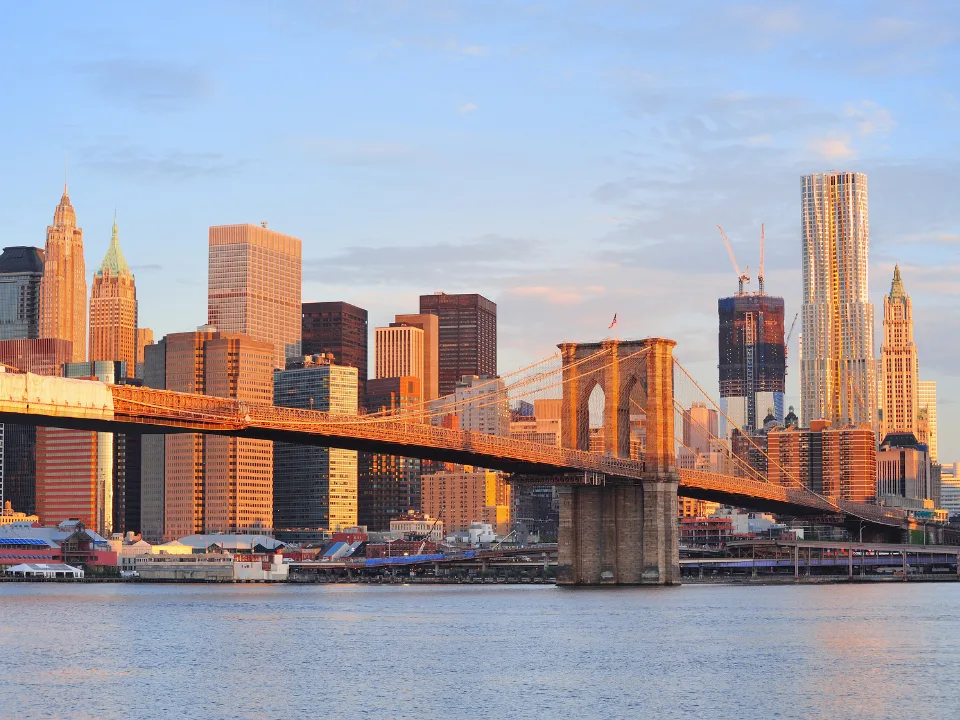
Office demand in New York continued its comeback during the first half of 2026, according to Bisnow. Tenants leased 22.8M SF through June, the market’s strongest six-month performance since 2002, according to Colliers. The surge is tightening availability across Manhattan and shifting negotiating power back toward landlords after years of elevated vacancies.
Strong Demand Reshapes The Market
The recovery accelerated during the second quarter, when tenants signed 11M SF of new leases, bringing first-half volume to 22.8M SF. According to Colliers, the market is now on track for its busiest leasing year since 2000.
Large law firms remained the biggest demand driver. The quarter’s largest transaction came from Simpson Thacher & Bartlett, which preleased 916K SF at Extell Development’s 570 Fifth Ave. At the same time, artificial intelligence companies continued expanding their office footprints. Colliers reported AI firms leased a combined 800K SF during the quarter, increasing their 2026 total to 1.5M SF. That already exceeds twice the sector’s leasing volume for all of 2025.
Get Smarter about what matters in CRE
Stay ahead of trends in commercial real estate with CRE Daily – the free newsletter delivering everything you need to start your day in just 5-minutes
The Details
Supply continued shrinking alongside stronger demand. Overall office availability fell to 13% at the end of the second quarter, its lowest level since October 2020, according to Colliers. Availability declined across Midtown, Midtown South, and Downtown.
Office-to-residential conversions also played a meaningful role. More than 900K SF left the leasing market during the quarter as buildings moved toward redevelopment. Existing tenants displaced by those projects created additional demand elsewhere. According to Colliers’ research, every 1M SF converted generates roughly 250K SF of new leasing demand as occupants relocate into remaining office inventory.
Premium Buildings Gain Momentum
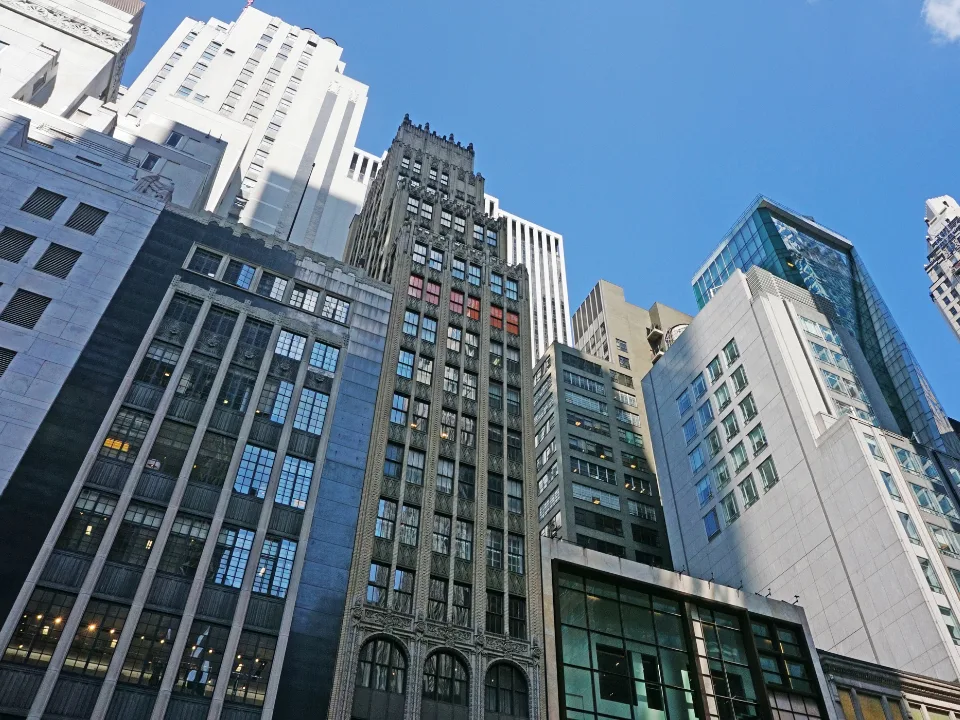
The strongest pricing gains appeared in newer, high-quality buildings. Midtown properties built after 2000 ended the quarter with just 6.7% availability, below pre-pandemic levels, according to Colliers.
Landlords responded by raising asking rents. Average citywide asking rents climbed 5.7% year over year to $78.03 PSF, marking the sharpest midyear increase since 2016. Park Avenue asking rents reached roughly $120 PSF, up from about $105 PSF in March 2020. Even Class-B buildings posted record asking rents of $70.58 PSF, reflecting improving conditions across multiple segments of the market.
Why It Matters
The office recovery is no longer limited to trophy buildings or a handful of large tenants. Leasing demand is broadening across industries, even as office conversions permanently reduce inventory.
Those dynamics are giving landlords greater pricing power. According to Colliers, negotiated rents averaged about 10% below asking rents in 2024. That gap narrowed to 8% in 2025 and reached 6% during the first quarter of 2026. Smaller discounts suggest owners are regaining leverage after more than a decade of tenant-friendly negotiations.
What’s Next
The second half of 2026 will test whether leasing momentum can continue at its current pace. Large legal tenants remain active, AI companies continue expanding, and additional office conversion projects are expected to remove more space from the market.
If those trends persist, Manhattan could record its busiest leasing year in more than two decades. Continued inventory reductions and sustained tenant demand would likely keep availability falling and place further upward pressure on asking rents through the remainder of the year, according to Colliers.