







- About one in four new housing structures in California last year was an ADU, and Arizona, Washington and other states are now easing restrictions.
- New York projects roughly 25,000 ADUs among 80,000 new units over 15 years, against an estimated need for 700,000 units over the next decade.
- Costs of $200,000 to $550,000 per unit and limited loan and grant funding make ADUs hard to justify as income properties for most homeowners.
Cities across the U.S. are leaning on accessory dwelling units to ease rental shortages, but high build costs limit their reach, according to Bloomberg Businessweek.
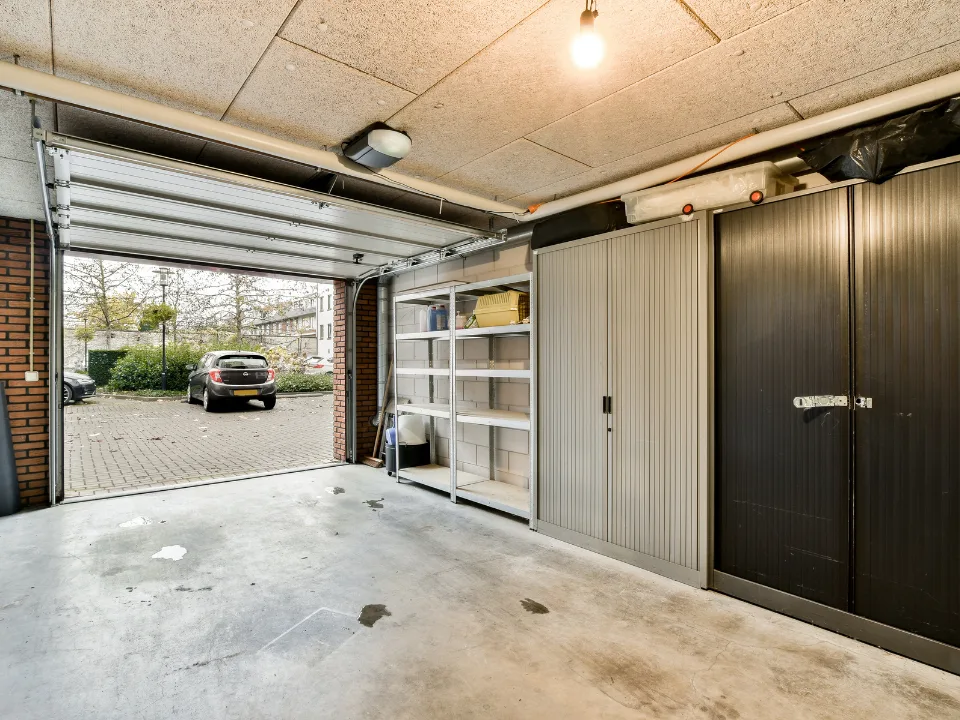
The units, which include converted attics, garages and basements or standalone backyard cottages, are now part of the national housing conversation.
Get Smarter about what matters in CRE
Stay ahead of trends in commercial real estate with CRE Daily – the free newsletter delivering everything you need to start your day in just 5-minutes
California Sets the Pace
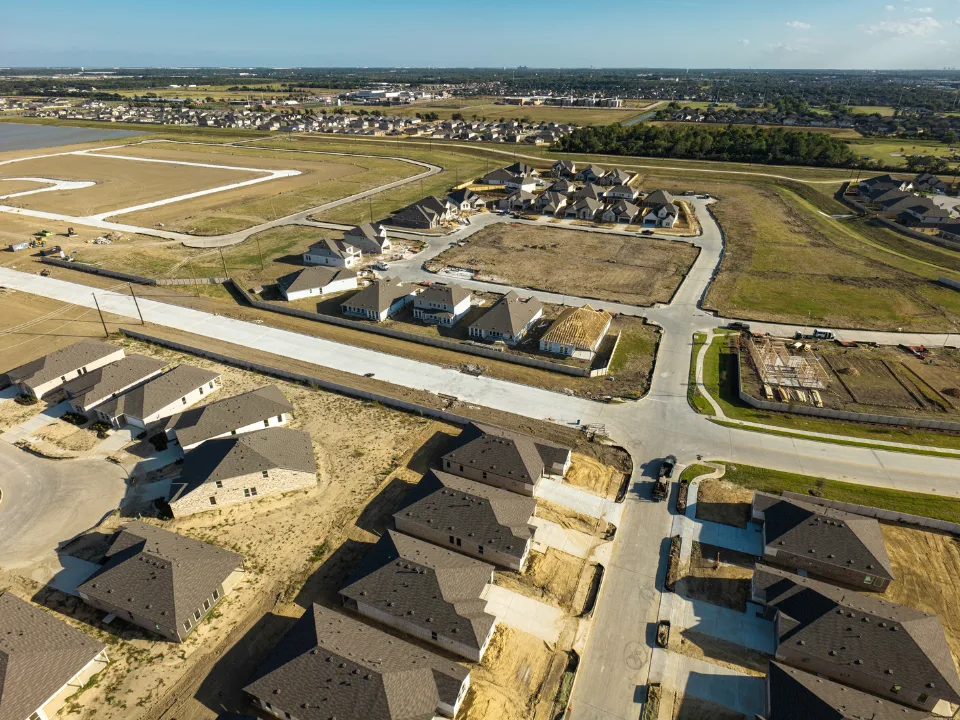
Roughly one in four new housing structures built in California last year was an ADU, per the state’s Department of Finance. In Los Angeles and San Francisco, Cotality data shows more ADU permits than all other housing types combined.
California’s boom traces to 2016 state reforms that loosened zoning restrictions and streamlined environmental reviews. Elsewhere, local governments must set rules for the units and decide where they can go, a process that is often complicated and contentious, and sometimes the state has to step in.
In Austin, ADUs played a supporting role in the development boom that helped push rents down after pandemic-era migration, according to the University of Texas’s Jake Wegmann. They contribute less than multifamily buildings, he said, but every unit counts.
Arizona and Washington have passed laws easing restrictions, and Congress recently approved grants for preapproved housing designs, including ADUs. Pew’s Alex Horowitz points to improved affordability in Austin, Nashville, Charlotte and Denver after reforms.
New York’s Turn
New York City counts on ADUs for about 25,000 of the 80,000 units projected over 15 years under City of Yes. Planners estimate the city needs 700,000 units over the next decade.
Former Mayor Eric Adams started the push, and his successor, Zohran Mamdani, has championed it and taken steps to speed approvals. Queens leads because its detached houses and larger lots make backyard cottages and garage conversions more practical.
Hundreds of permit applications have arrived since ADUs got the green light in 2024, and more than half come from Queens. A pilot offering loans and grants of up to $395,000 drew more than 2,800 applications in 2025 and is currently funded for 25 homeowners a year.
Cost Is the Obstacle
One Queens homeowner received a $200,000 estimate to convert a garage into a studio that could rent for $1,000 to $1,200 a month. Reform Architecture’s preapproved design runs $550,000 for 400 square feet of living space.
An Irvine, California, homeowner paid $308,000 for a prefab cottage, plus $17,000 for improvements, and rents it for $3,000 a month against $1,600 in loan payments. UCLA’s Michael Lens says family use will remain the main motivation for most owners.
Even a veteran city planner hit roadblocks. Irvine officials wanted her to sign an agreement that she said would have limited her property rights, which delayed the project for months, and she took a side job as a planning consultant to help pay for it.
UCLA’s Lens turned the garage of his own single-family home into a $300,000 ADU that his teenage kids use as a game room. That is a fun place for a family, he said, but not housing.
Why It Matters
Supporters say every new unit helps, and Open New York’s Annemarie Gray points to long lines at apartment showings. Even so, a few thousand units are unlikely to move rents much in a city where they hover near all-time highs in some boroughs. The NYC rent freeze is taking effect amid those pressures.
Pew’s Alex Horowitz calls ADUs one ingredient rather than a full solution, and UCLA’s Lens says a housing-market problem cannot be solved with backyard casitas, even as renter affordability improves in more metros. City Council Member Vickie Paladino has raised concerns about strain on roads, schools and sewers.
Metro Design Associates’ David Rastegar said that at the city’s projected pace, ADUs will not reach a scale that pushes services to a breaking point, and many can be hidden within a homeowner’s property.
What’s Next
The city’s Department of Buildings is speeding up permitting, published a guide with preapproved designs and is considering AI to help review applications. Unit Two Development’s Wil Fisher sees potential for more than 100,000 ADUs in New York City, though he acknowledges cost will slow adoption.