

- AI neocloud startups are driving a surge in US data center demand but raising questions about long-term viability.
- Institutional capital favors investment-grade tenants, making neocloud-backed deals riskier and more complex to finance.
- Customized leases, credit wrappers, and GPU-backed loans are emerging to manage the unique risks posed by neocloud tenants.
From Cloud Giants to AI Upstarts
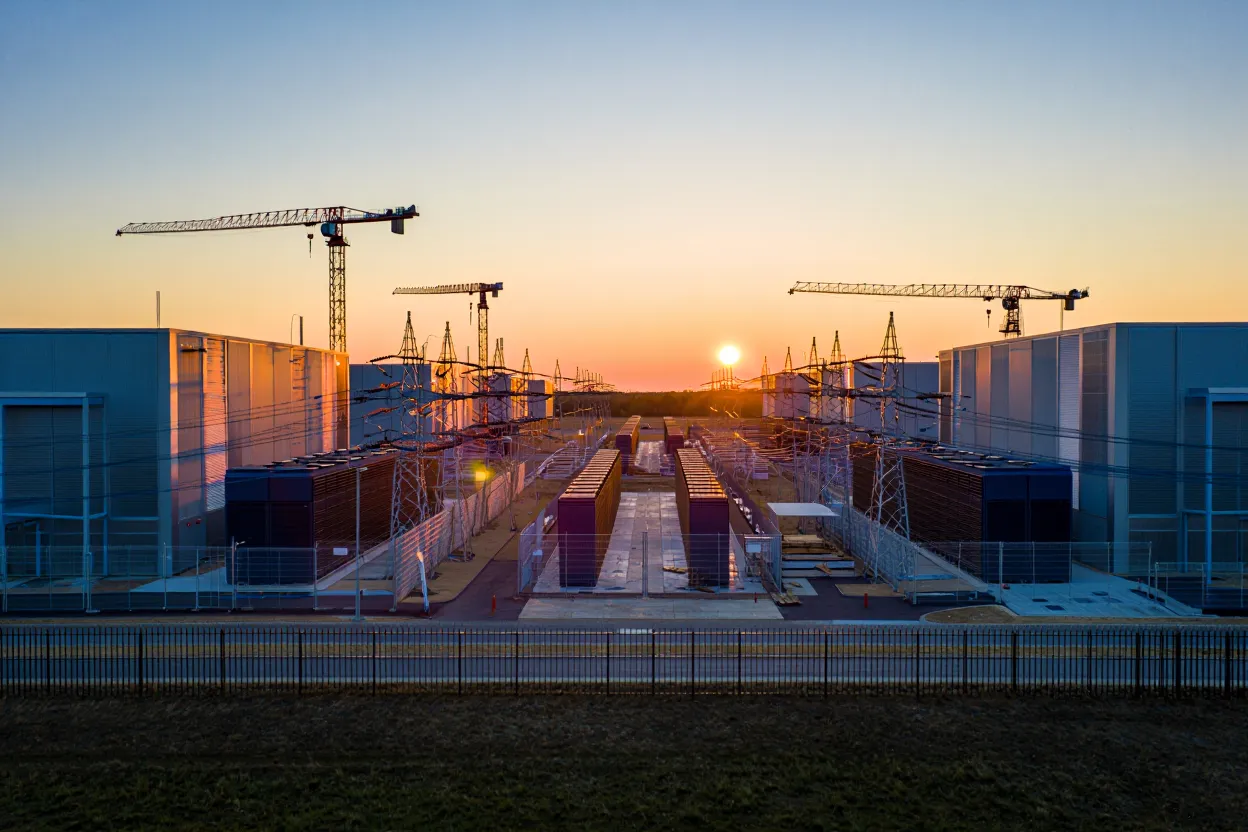
AI-powered neoclouds now represent the fastest-growing segment of US data center demand, according to Bisnow. These startups provide on-demand GPU capacity for intensive AI computing needs. Cloud giants like Amazon and Microsoft once dominated this market. However, specialists like CoreWeave and Lambda now challenge that structure.
The industry’s $2T expansion traditionally relied on leases backed by investment-grade tenants. Today, startup tenants introduce very different credit risks. AI has fueled another data center development cycle after cloud computing drove the first. However, institutional investors still favor projects backed by stronger tenants.
Riskier operators often need alternative financing and customized deal structures. That shift is forcing lenders and developers to rethink traditional underwriting standards.
Get Smarter about what matters in CRE
Stay ahead of trends in commercial real estate with CRE Daily – the free newsletter delivering everything you need to start your day in just 5-minutes
The Details
Neocloud revenue jumped 223% year over year during Q4, according to Synergy Research Group. JLL now counts more than 190 operators across the segment. Most remain venture-backed companies with relatively short operating histories. Their business model also resembles coworking firms.
Neoclouds often sign long-term leases while offering customers much shorter contracts. That mismatch creates exposure when customer demand suddenly falls. Hyperscalers could also bring GPU workloads in-house, reducing demand for third-party capacity. Executives discussed these risks during Bisnow’s July 16 Summit in New York.
Some neoclouds sign 15-year leases while customer contracts last only hours or several years. Lenders now demand stronger protections before providing capital. These can include investment-grade guarantees, upfront collateral, or AI chips. CoreWeave’s $8.5B March financing used Nvidia GPUs as collateral and received an investment-grade rating.
Capital Structures Shift as Tenant Profiles Change
Traditional data center projects relied on hyperscalers signing long-term leases with strong credit profiles. Those structures gave lenders relatively predictable cash flows. Neocloud deals require more customized financing because their tenants carry greater uncertainty.
Hyperscalers sometimes support these projects through capacity agreements or debt guarantees. Microsoft used this structure through $33B of agreements with CoreWeave and Nebius. These investment-grade credit wrappers can strengthen transactions that traditional lenders might otherwise reject. Blackstone and Google are also pursuing a $5B AI cloud venture, showing institutional capital remains eager to fund infrastructure growth.
Higher-risk lenders have also entered the market, but their pricing reflects greater uncertainty. Primary Digital Infrastructure’s Dave Ferdman says neocloud spreads reach 275–325 basis points above investment-grade benchmarks. He described the market as increasingly binary. One side favors blue-chip tenants, while another accepts higher neocloud risks for stronger potential returns.
Why It Matters
The neocloud surge could reshape capital allocation across the data center sector. However, industry insiders continue questioning whether current growth remains sustainable. Some compare the model with WeWork’s rapid expansion and eventual collapse.
Neoclouds lack the long operating histories and large balance sheets associated with established technology companies. Long leases backed by short customer contracts create another major concern. Demand could weaken if GPU markets shift or hyperscalers build more infrastructure internally.
Still, some investors see meaningful opportunities. Partners Group’s Fentress Boyse highlighted creative structures and more detailed risk assessments. JLL and Synergy data also suggest underlying demand remains substantial. However, every transaction now requires deeper underwriting, stronger protections, and more customized financing.
What’s Next
Neoclouds will likely capture a larger share of future data center leasing. Financing structures should continue evolving alongside these changing tenant profiles. The market could see more innovation around leases, credit wrappers, and hardware-backed financing.
GPU supply constraints may encourage additional collateral structures. However, hyperscalers could eventually expand their own capacity and reduce reliance on neoclouds. That shift would increase scrutiny around contract lengths, customer retention, and long-term demand.
Traditional lenders will probably remain divided by risk tolerance. Ferdman’s market bifurcation currently shows little evidence of disappearing. As a result, underwriting will become more rigorous and creative as technology tenants reshape data center capital markets.