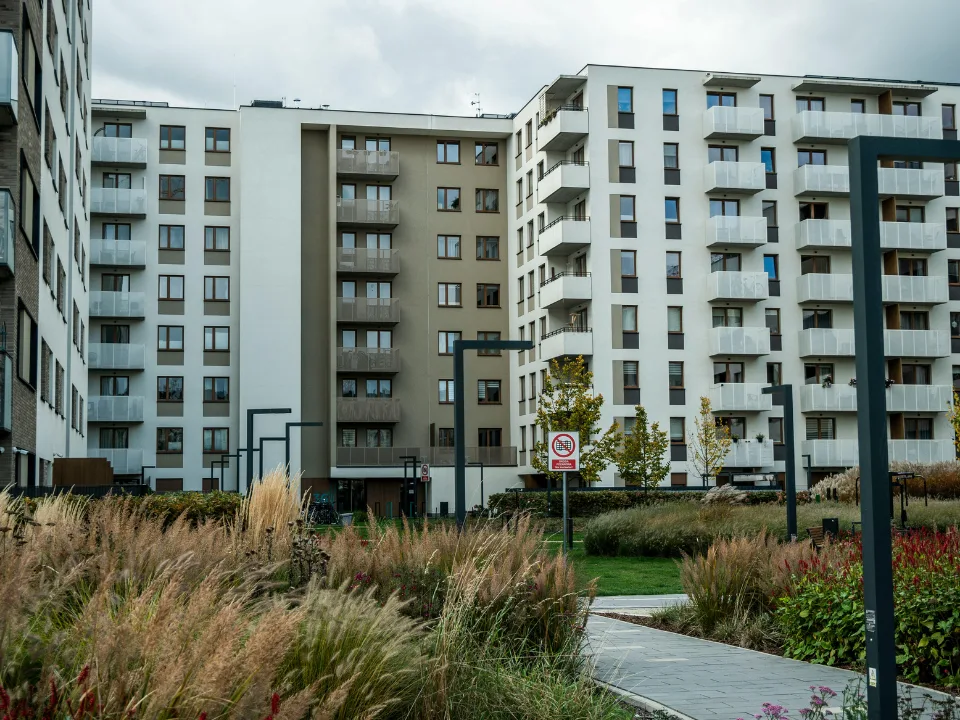





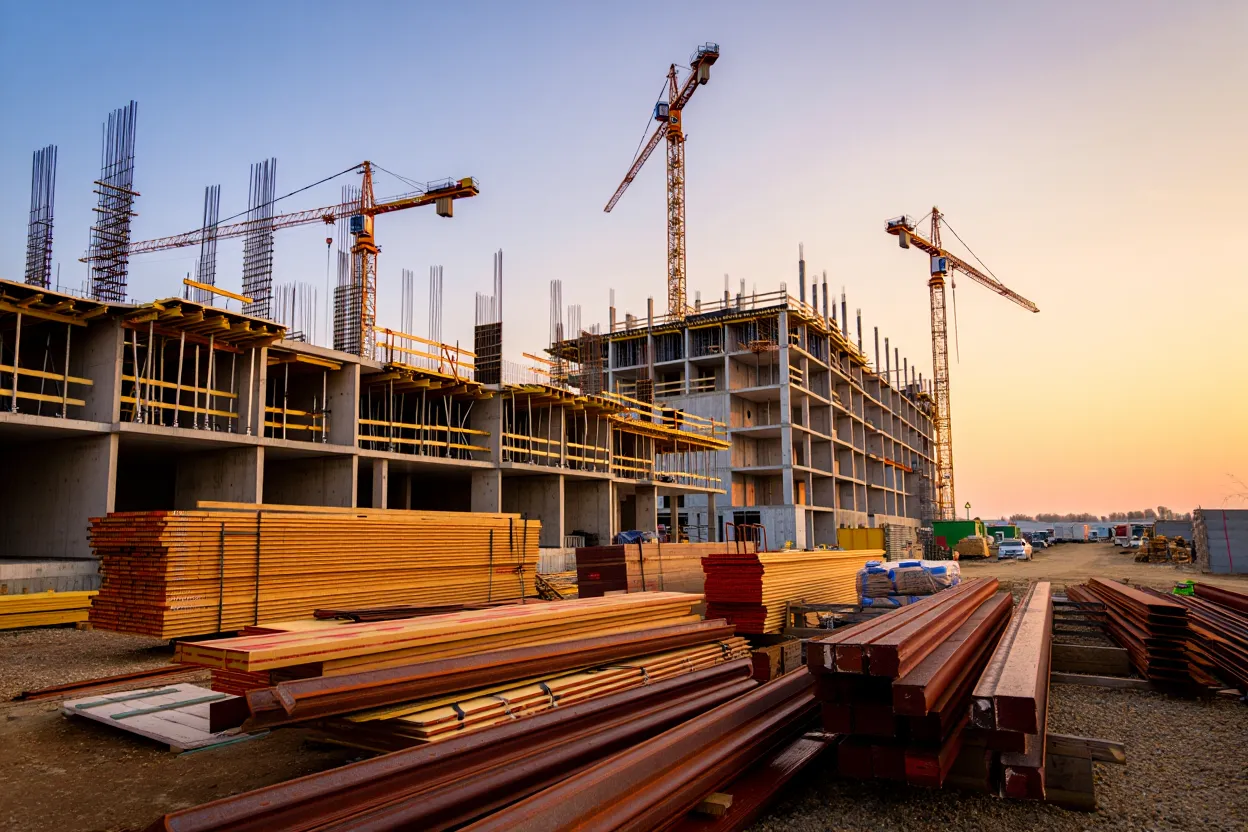



- Nearly half of multifamily builders expect construction conditions to improve within the next year, per NMHC’s Q2 2026 survey.
- Labor and material costs are expected to outpace inflation over the next 6 to 12 months, creating headwinds even as financing improves.
- Debt and equity availability are stabilizing, with most respondents forecasting even greater access within a year, signaling renewed development confidence.
Developers Brace for Cost Pressures While Sentiment Rises
The National Multifamily Housing Council’s Q2 2026 survey paints a complex picture for apartment developers. While the majority of respondents are seeing tougher near-term building conditions, the medium-term outlook is strengthening. Bisnow reports that nearly half (46%) of builders and developers anticipate improved construction conditions in the next 6 to 12 months, compared to just 10% who expect immediate near-term gains. This cautious optimism comes as many players are still working through a period of elevated uncertainty and persistent cost pressures.
The outlook matters given multifamily’s outsized role in new US housing supply. According to NMHC’s past research, multifamily starts have made up a significant share of new units since 2022, but a jump in financing and input costs has slowed deliveries and pushed up rents across many metros. This backdrop sets the stage for measured but meaningful optimism amid turbulent conditions.
Get Smarter about what matters in CRE
Stay ahead of trends in commercial real estate with CRE Daily – the free newsletter delivering everything you need to start your day in just 5-minutes
Cost Surges Outpace Broader Inflation
Construction costs are emerging as the biggest challenge for developers heading into 2027. Even as most respondents expect costs to keep pace with or lag inflation in the next three months, NMHC found that the share of builders bracing for above-inflation spikes climbs to 36% over the next 6 to 12 months. Material costs tell a similar story—while only 17% see them rising faster than inflation through September, that figure jumps to 27% looking further ahead. Labor pressures mirror the trend, with 24% forecasting wage growth outstripping inflation by next summer. Tightness may be worse in high-demand Sun Belt and gateway markets where labor is scarcer and logistics more complex.
Less Stress on Financing Compared to Last Year
Survey respondents are encouraged by a stabilizing debt and equity landscape. Over 50% believe equity will be more accessible in the next 6 to 12 months, up from just 5% projecting gains in the next three months. For debt, 28% expect increased availability within a year, while none expect any immediate tightening—a reversal from the volatility seen through 2025. NMHC’s data aligns with signals from lenders and institutional investors who have started moving cautiously back into multifamily amid slowing Federal Reserve rate hikes.
Pipeline Pressure Builds With Limited Relief
Despite brightening sentiment, developers face a growing mismatch between project economics and construction realities. NMHC’s data shows that 77% expect no short-term improvement in construction conditions, and over one-third foresee cost escalations beating inflation by 2027. The risk: construction delays, deferred projects, and a drag on new supply just as the US remains chronically underbuilt. With equity and debt access on the mend, capital may be less of a bottleneck. Instead, physical constraints—labor availability, permitting speed, and material bottlenecks—will shape the next cycle’s winners.
The latest survey data suggests the multifamily sector could soon pivot from weathering risk to seizing opportunity. However, the degree to which developers can contain cost volatility will dictate how much of the anticipated pipeline actually gets delivered. Given that multifamily completions trended below projections in 2025 according to Yardi Matrix, costs may ultimately prove a more stubborn headwind than financing.
What’s Next
Builders are betting on a more favorable construction market by mid-2027, fueled by better capital access and hopes for cost stabilization. NMHC’s survey results point toward a gradual thawing in both debt and equity markets, which should provide a tailwind for delayed and newly launched multifamily projects. However, developers will keep watching inflation and supply chain trends closely, as any surprise in materials or labor could quickly erode fragile margins. With a growing consensus that macro conditions for multifamily are turning a corner, all eyes are now on whether expected cost pressures or regulatory bottlenecks will force another round of project triage.