




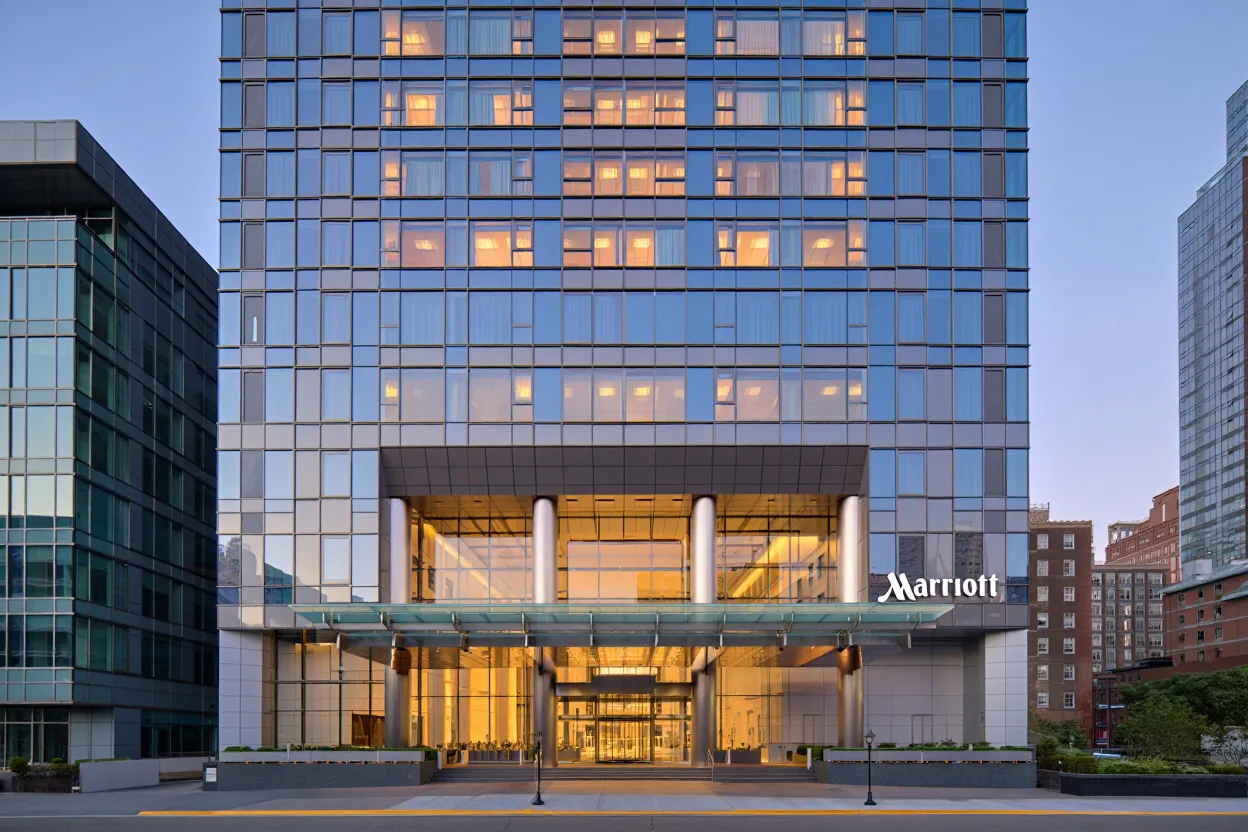
- Marriott raised its 2026 earnings outlook as higher room rates drove a beat on Q2 analyst estimates, per Bloomberg.
- Construction delays in the Middle East are dragging net unit growth toward the bottom of Marriott’s 4.5% to 5% guidance range.
- The operator’s near-term optimism is tempered by persistent geopolitical risk and a weaker new supply pipeline.
Construction Delays Trim Growth Forecast
Marriott International, the world’s largest hotel operator with more than 1.8M rooms globally, now expects 2026 net unit growth to hit the lower end of its previously forecast 4.5% to 5% range, according to Bloomberg. The company pointed to ongoing construction delays in the Middle East as the main drag on expansion. This comes despite otherwise strong global performance, with Marriott and peer Hyatt Hotels both recently reporting robust results but dialing back growth projections. The Middle East, once a key growth engine for global hotel brands, is seeing projects stall against a backdrop of regional conflict and supply chain disruptions.
Get Smarter about what matters in CRE
Stay ahead of trends in commercial real estate with CRE Daily – the free newsletter delivering everything you need to start your day in just 5-minutes
The Details
Construction delays are becoming a broader concern across commercial real estate, even as some large investment managers report improving financial flexibility from lower borrowing costs. Marriott’s latest earnings release showed second-quarter results that topped Wall Street’s expectations for earnings per share, fueled by higher room pricing across major markets. However, shares fell as much as 7.4% to $365.47 after the company’s update on net new room additions, indicating sensitivity to future expansion. CFO Jennifer Mason told analysts that while global travel demand remains “very strong” outside the Middle East, geopolitical disruptions are expected to weigh even more heavily in the fourth quarter. Notably, the US and Canada markets won’t see a lift from regional events like the World Cup, creating further divergence in performance.
Middle East Turbulence Slows Unit Growth
Both Marriott and rival Hyatt are contending with a growing gap between consumer demand and new supply. Hyatt, which reported its own earnings last week, also trimmed guidance for net unit growth despite beating profit expectations. The Middle East construction slowdown is a major through line, with analysts noting an increasing number of delayed or on-hold projects. Meanwhile, Marriott’s US and Canada business remains steady—though less buoyant in Q4 absent major global events. Industrywide, the S&P 500 Hotels Restaurants & Leisure Index has stayed mostly flat this year despite Marriott shares rising 20% through late July, underlining sector-wide caution.
Why It Matters
The results reinforce two key realities in the global hotel sector: elevated room rates can drive bottom-line strength even in a challenged supply environment, but geopolitical risk can quickly upend pipeline expansion. According to Bloomberg, Marriott’s Q2 beat was powered largely by firm pricing and resilient travel demand outside the Middle East, demonstrating operators’ ability to extract higher spend per guest. Yet macro disruptions—led by conflict and logistics issues in the Middle East—are curbing the pace of new hotel openings. For investors, the sharp pullback in shares after the guidance cut highlights how sensitive the market is to near-term growth and uncertainty, even when earnings are solid. The move also sets a tone for competitors, as seen with Hyatt’s similar outlook: top-line demand remains robust, but new unit supply is increasingly unpredictable in geopolitically volatile regions.
This divergence between solid operational performance and softer pipeline growth could have longer-term effects on the sector’s recovery cycle, particularly if supply chain constraints or regional disruptions persist into 2027. With a flatter new room pipeline, existing asset owners may benefit from higher pricing power but find acquisition and development opportunities more scarce. On the flip side, global operators like Marriott are signaling willingness to adjust expectations quickly in response to market realities, keeping Wall Street on its toes.
What’s Next
Marriott will lean on pricing power and strong performance in North America and Europe as it manages a slower pace of unit expansion in the Middle East. The company’s guidance assumes supply chain and conflict headwinds will remain in the near term, likely capping new openings this year below earlier projections. Industry analysts will watch for signs of stabilization in Middle Eastern construction timelines and the impact on global pipeline metrics in Q4 and beyond. For now, investors and asset owners should expect a continued focus on rate growth and asset optimization, amid persistent supply bottlenecks in key international markets.