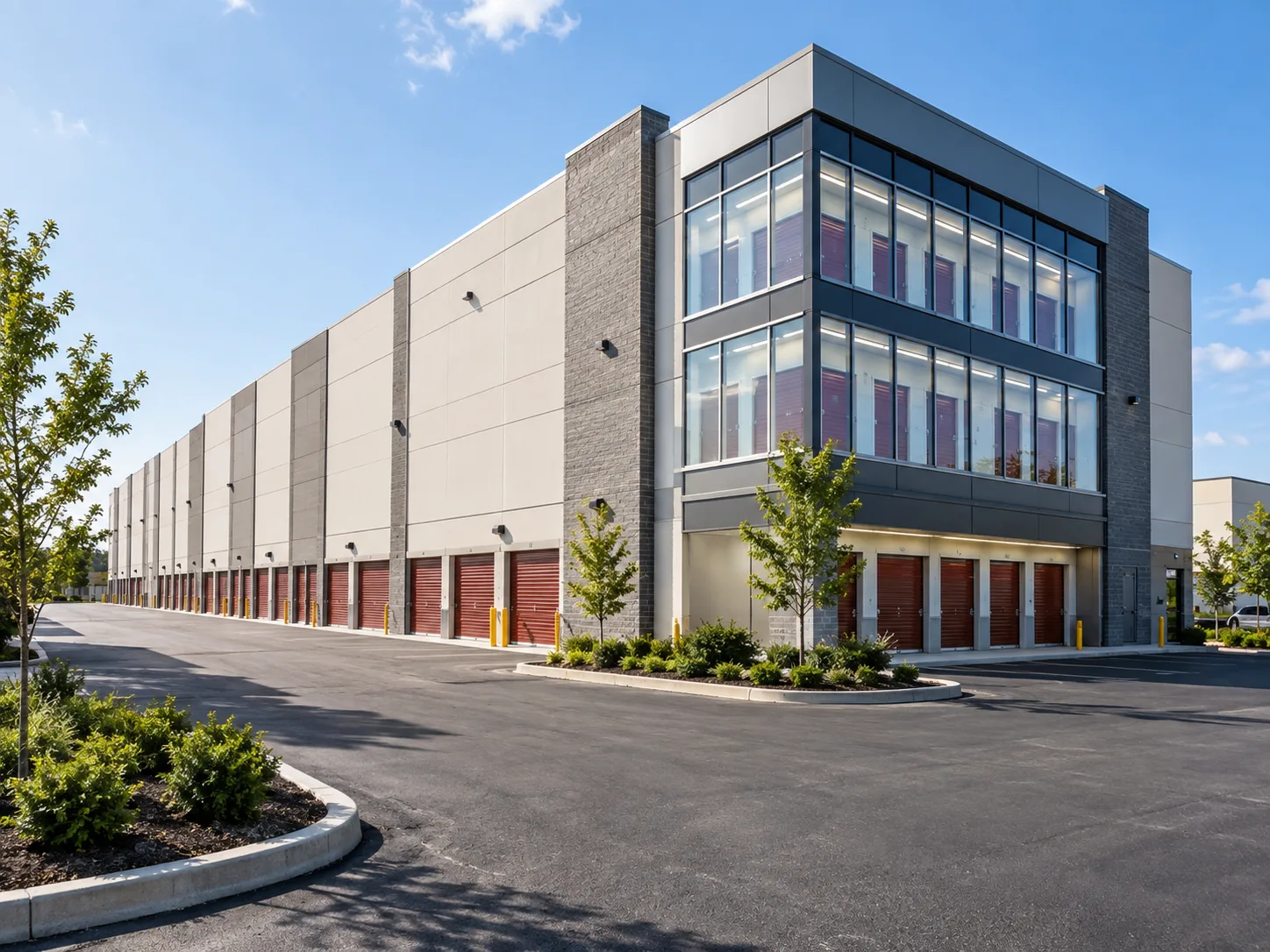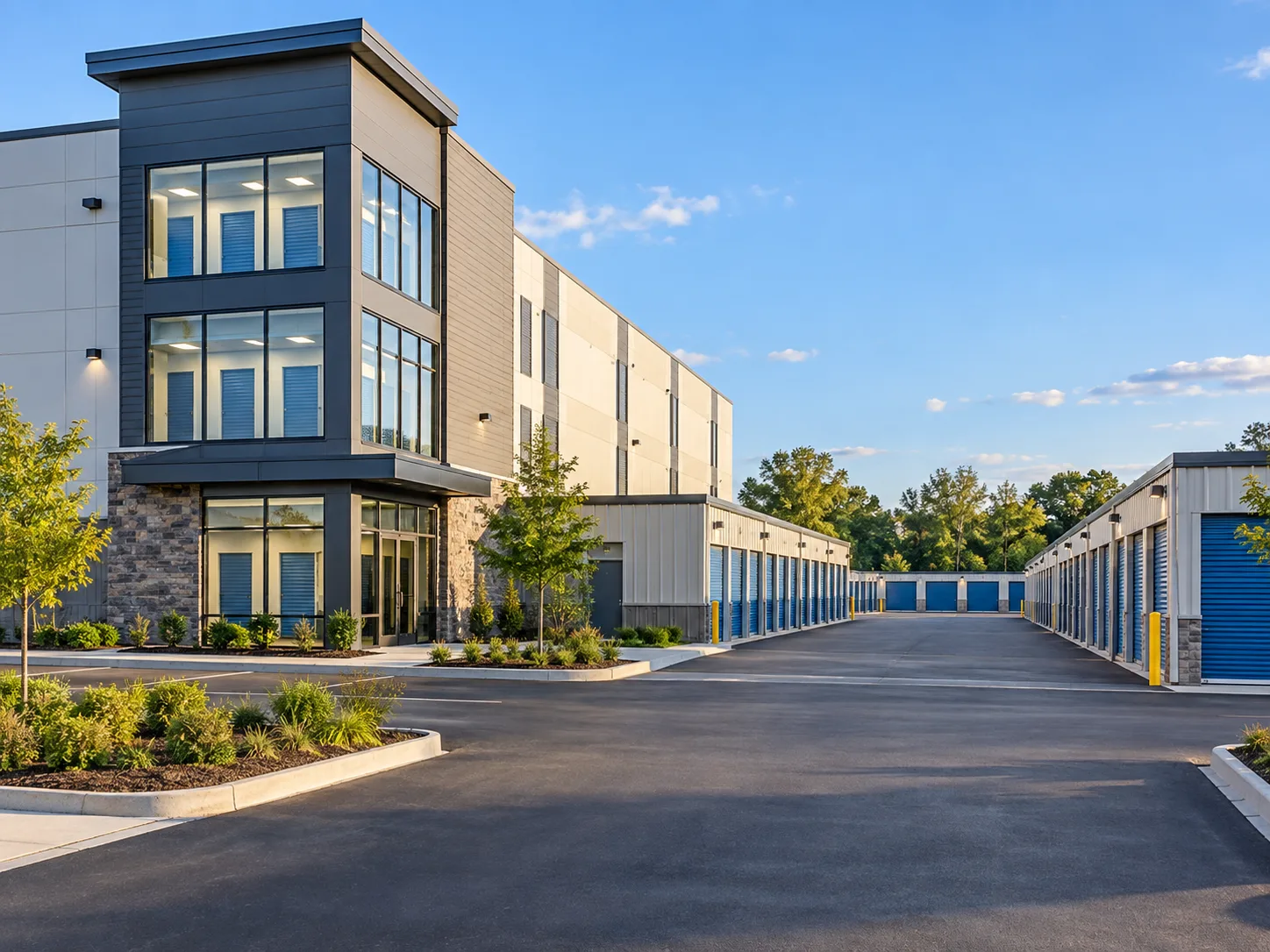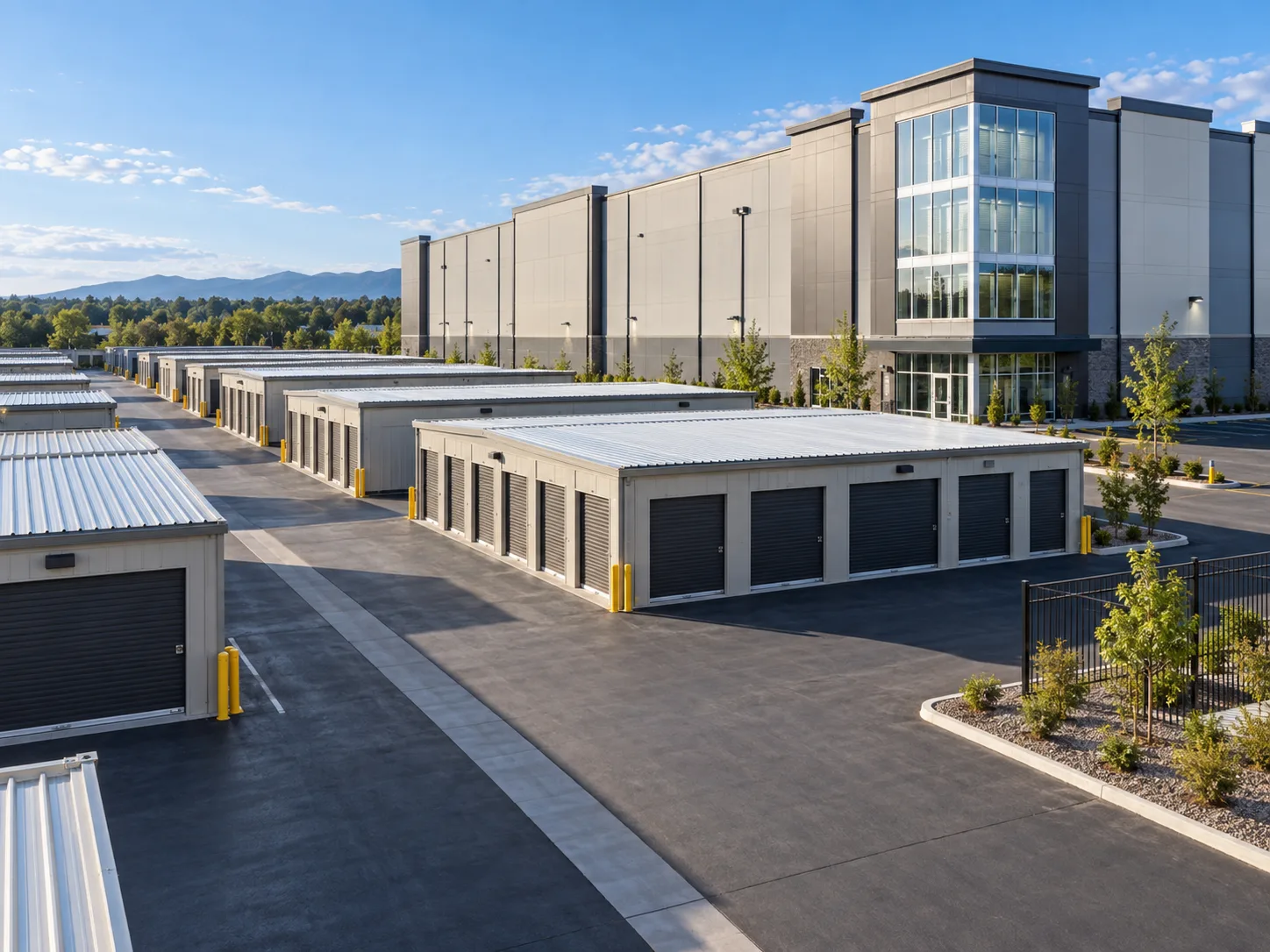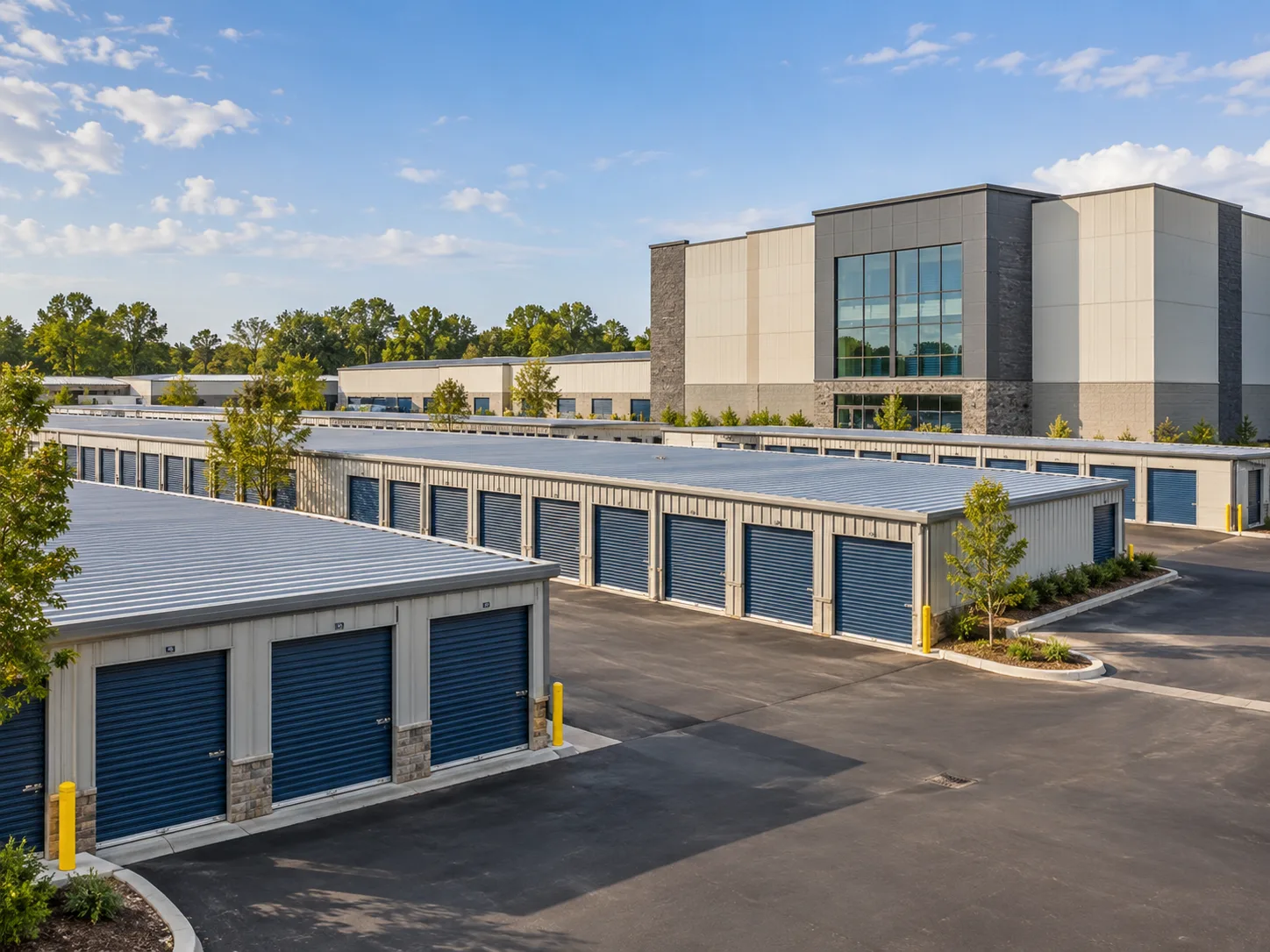








- Prime Group Holdings seeks approval to convert part of its Marietta, GA, self-storage site into an 18MW data center.
- The city council delayed its decision and imposed a six-month freeze on new data center applications amid local opposition.
- This pushback exemplifies the growing scrutiny and regulatory hurdles facing data center expansions in suburban markets.
Pushback Intensifies Over Data Center Projects
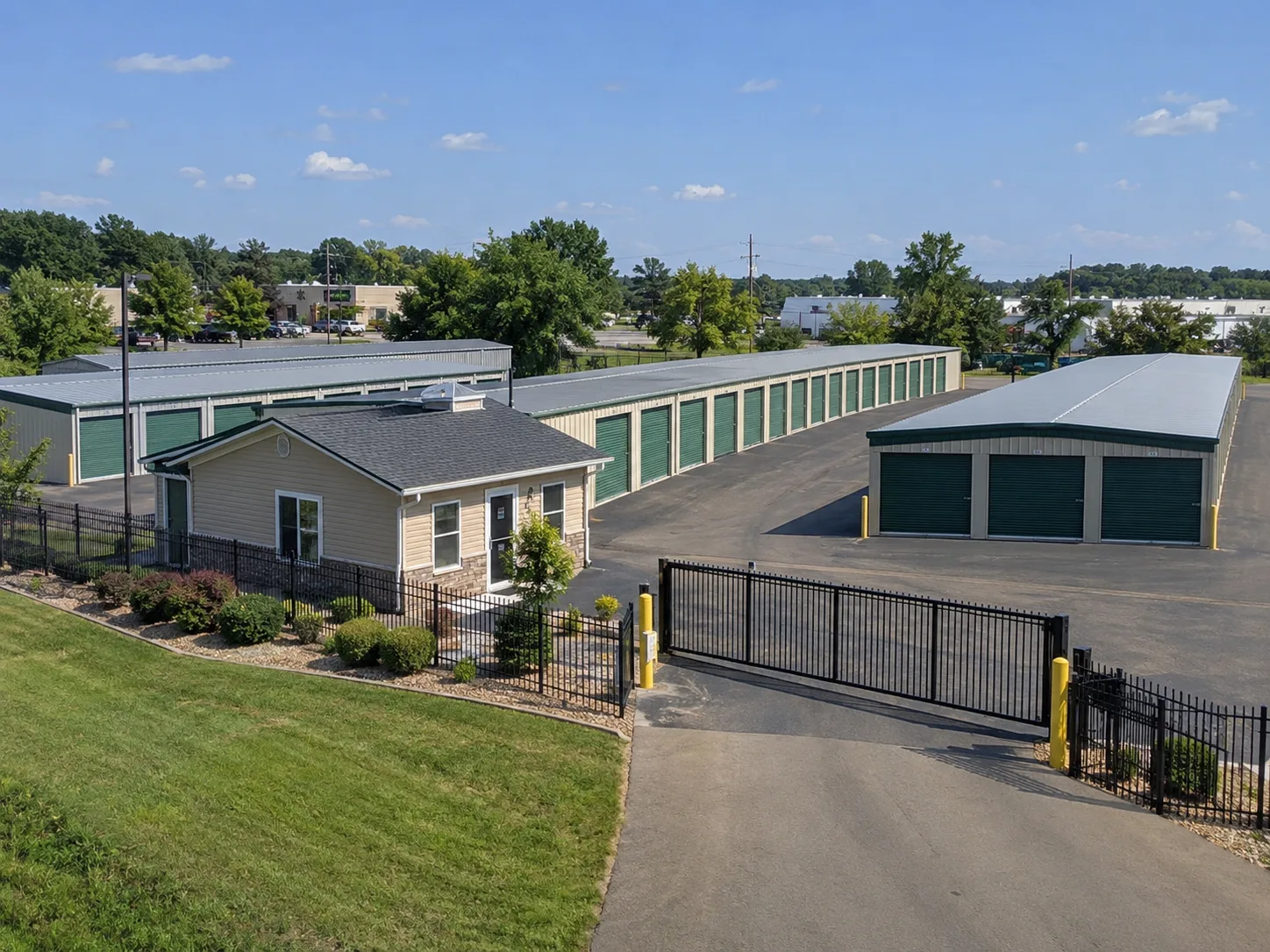
Prime Group Holdings’ proposal to retrofit a portion of its Marietta, GA, self-storage facility into a data center has drawn local resistance, per Inside Self-Storage. While the Marietta Planning Commission endorsed the project, the city council paused the approval process following objections from residents. City officials also moved to impose a six-month moratorium on all new data center applications, temporarily shelving similar initiatives until the end of December. This friction signals a broader trend of suburban communities pausing or restricting data center growth as concerns mount over noise, energy, and environmental impact in local neighborhoods.
Get Smarter about what matters in CRE
Stay ahead of trends in commercial real estate with CRE Daily – the free newsletter delivering everything you need to start your day in just 5-minutes
The Details
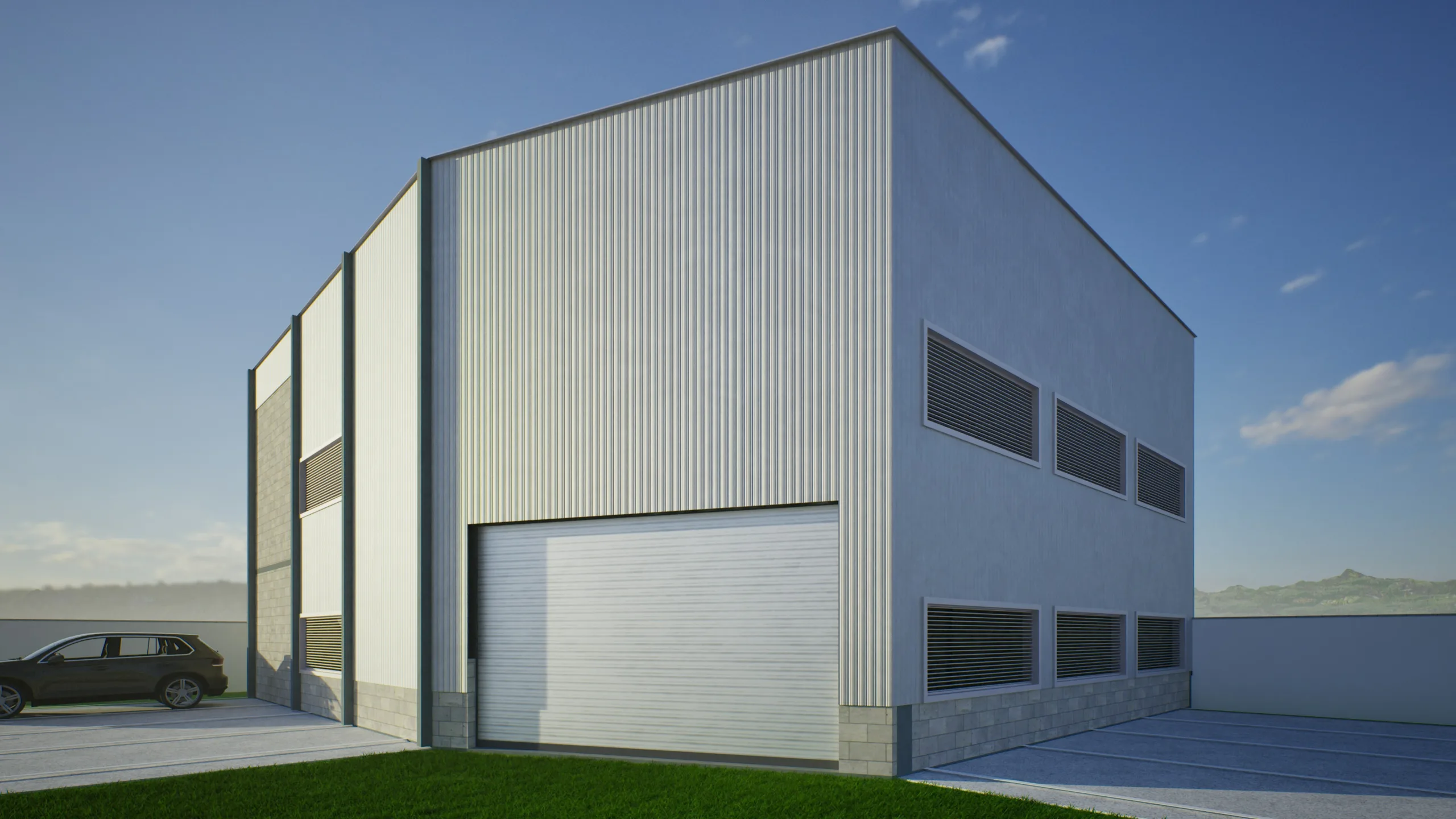
Prime Group, which operates the Prime Storage brand, is targeting a partial conversion at its 1155 Powers Ferry Place property—a 90,000 SF facility with plans for an 18MW data center. The proposed facility promises closed-loop cooling to limit water use, compliance with local noise requirements, and reliance on market-rate energy. According to attorney Parks Huff, the site would serve critical local functions such as law enforcement and emergency services. Headquartered in Saratoga Springs, NY, Prime Group operates a 27.2M SF portfolio across 29 US states, three Canadian provinces, and one US territory.
Moratorium Follows Local Backlash
Marietta’s move to halt new data center requests parallels similar actions seen in other US cities grappling with digital infrastructure growth. The city council’s decision comes just a week after the local planning commission advised project approval. Concerns from nearby residents at the council meeting, focused on noise, environmental impact, and property values, drove officials to delay a vote and freeze additional proposals for six months. The moratorium runs through December 31, stalling both Prime’s application and potential competing projects, while officials study long-term plans for data center integration under current zoning laws.
Why It Matters
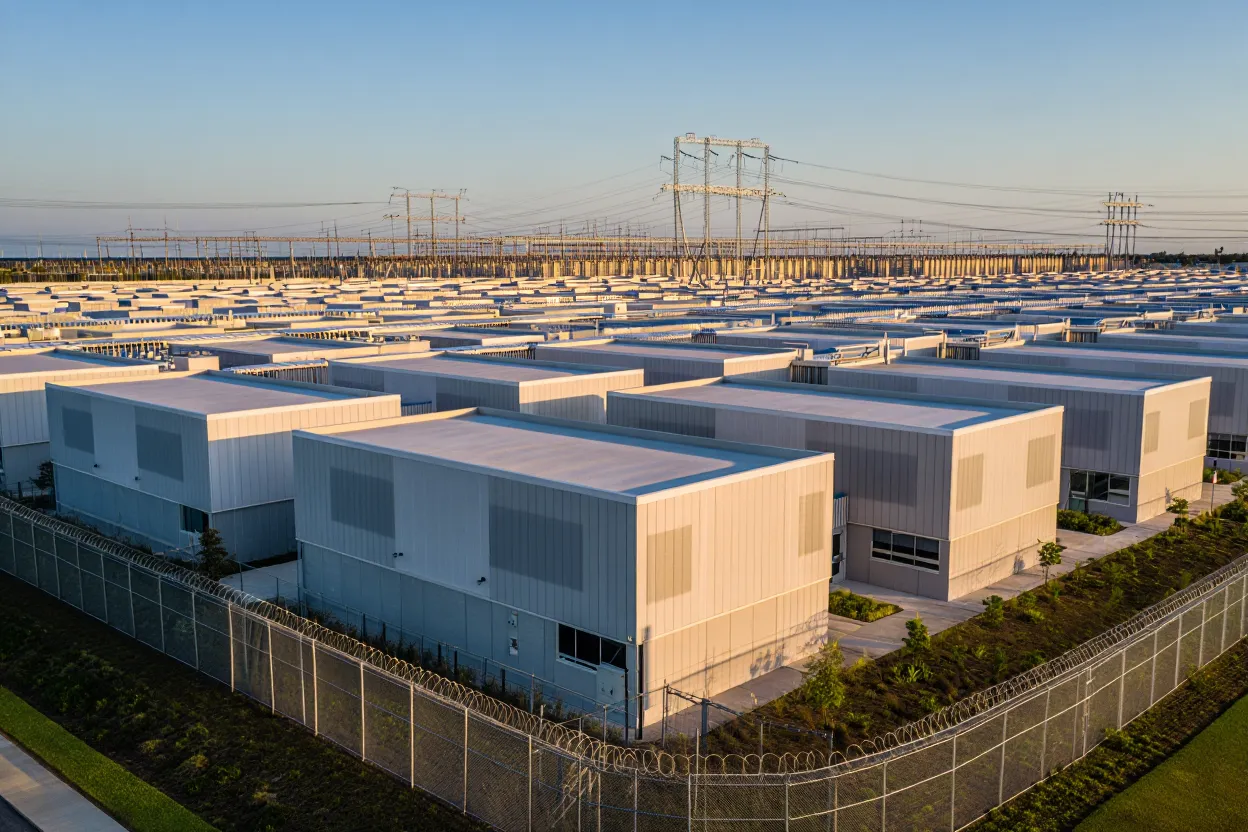
This standoff in Marietta highlights tension between data center demand and local land-use priorities. Demand for digital infrastructure continues to spike, but permitting can stall under community pressure. According to CBRE’s 2025 global report, North American data center construction hit another record. Similar disputes are emerging in fast-growing Texas markets, where residents are challenging data centers over power demand and water use. Permitting friction is becoming a competitive differentiator across major markets. Northern Virginia and Silicon Valley already face citizen pushback and multi-year moratoriums.. The specific location—a conversion within a suburban self-storage facility—drives home how operators are targeting mid-tier markets and unconventional assets to capture demand. Cities like Marietta are wrestling with the pace and profile of digital infrastructure growth, balancing economic development with residential and environmental concerns.
Prime Group’s experience could become a case study for other owners weighing self-storage conversions or mixed-use redevelopment. As cities sharpen scrutiny over power consumption, water use, and neighborhood compatibility, expect more comprehensive reviews and new land-use frameworks. Operators who proactively address operational transparency and local stakeholder concerns may gain a critical edge in securing approvals faster than their less-prepared peers.
What’s Next
Marietta City Council will revisit Prime Group’s request on August 12. However, the moratorium will freeze new data center applications through year-end. During the pause, stakeholder feedback and staff analysis may shape future zoning rules. Those findings could guide Marietta’s long-term approach to data center development.
For Prime, community support and strong operating plans will be essential. The company must address concerns around noise, energy use, and water consumption. Those efforts could help advance the redevelopment after the moratorium expires. Meanwhile, suburban developers across the country will follow the outcome closely. Many face similar tensions around digital infrastructure expansion.