




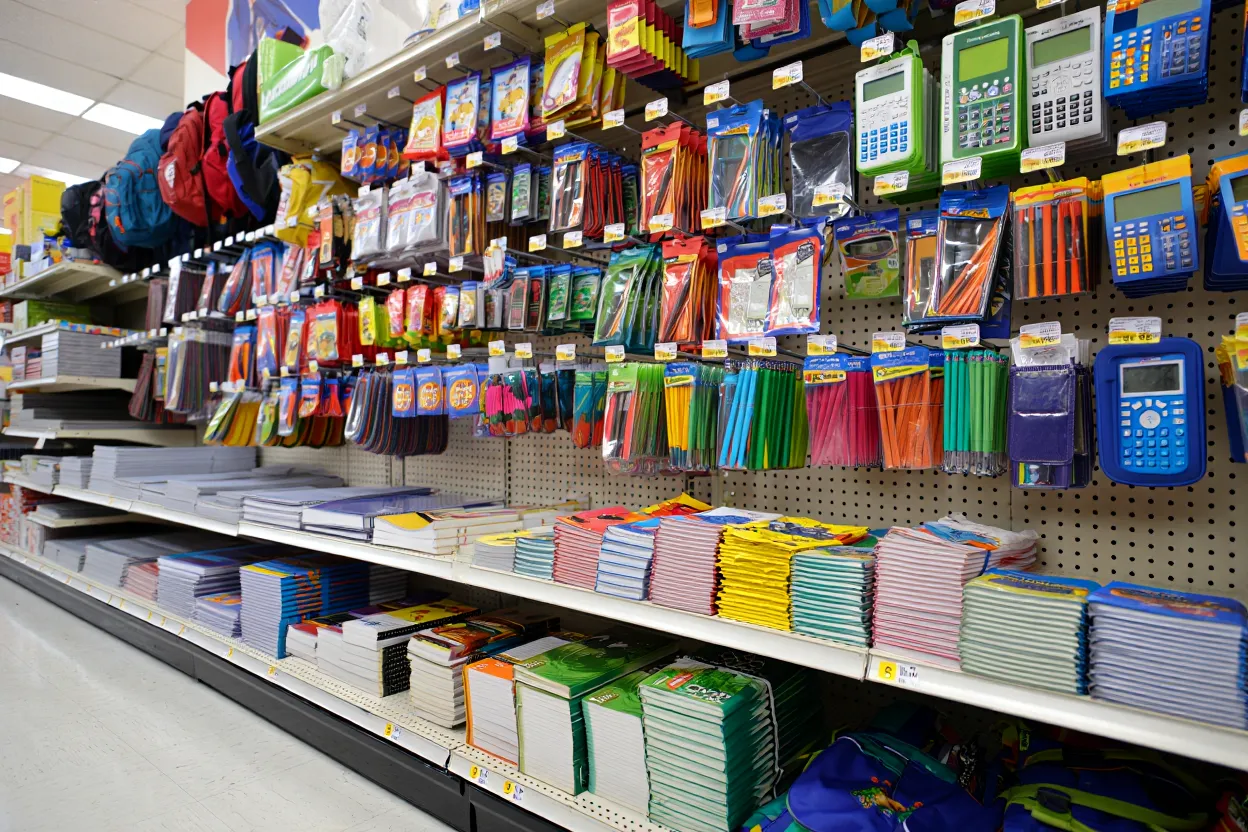
- Average back-to-school spending is up nearly 12% to $489 per child, outpacing inflation, according to JLL’s 2026 Back-to-School Survey.
- Dollar stores cracked the top 10 list of most-visited stores for school shoppers, with 90% of parents planning to shop in-store and 77% naming Walmart as their top choice.
- The shift toward value-driven retail benefits shopping centers anchored by discount and mass merchants, driving up physical retail foot traffic during the July spending surge.
The Inflation Effect Reshapes School Shopping
Inflation is forcing families to rethink their back-to-school strategies, per JLL’s 2026 Back-to-School Survey cited by Commercial Observer. This year’s shopping lists are getting more cost conscious as parents face rising prices for both supplies and essentials. Dollar stores are now firmly on the map, cracking the survey’s top 10 most-cited destinations for the first time. Mass merchants and discount formats alike are seeing renewed demand, with mid-income families increasing budgets the most. Back-to-school, traditionally a reliable seasonal traffic driver, is now shaping up as a battleground for value-focused shopping centers and tenants.
Get Smarter about what matters in CRE
Stay ahead of trends in commercial real estate with CRE Daily – the free newsletter delivering everything you need to start your day in just 5-minutes
The Details
JLL surveyed 1,022 US parents with children ages 5–18 for the study released last week. The numbers tell a clear story: average spend per child climbed 11.7% to $489, significantly outpacing the 4% US inflation rate. The biggest jump came from middle-income households, now expecting to spend $495 per child—a 20% hike. Meanwhile, over 90% of all respondents plan to shop at brick-and-mortar stores this school year. Parents cited price and convenience as their top priorities, with 68.7% aiming to save money and 35.1% seeking one-stop shops. Walmart’s share as the go-to retailer leapt to 77.3%, up 22.5 percentage points.
Discount Retailers Gain Ground
The shift is part of a broader trend toward value-driven shopping. As budgets rise, discretionary purchases have declined for a second straight year. Parents are buying fewer novelty items and focusing on essentials. Stores like Dollar Tree and Dollar General are seeing increased foot traffic. Mass merchants remain dominant. However, growth in discount retail extends beyond dollar stores. Shopping centers that combine low-cost anchors with specialty retailers are well positioned. They can attract both price-sensitive and higher-spending customers. Gas prices are further squeezing household budgets. That is increasing the focus on saving wherever possible. It also makes proximity to affordable retail destinations even more important for families.
Why It Matters
Back-to-school is a bellwether for physical retail strength, especially in the face of prolonged e-commerce adoption. JLL’s survey shows 90%+ in-store intent, a strong signal for neighborhood and community shopping centers reliant on seasonal tenants and anchors. As inflation pushes up expected spend, retailers able to offer increased value—whether via breadth of assortment or aggressive pricing—are poised to gain share. Notably, Walmart’s surge to 77.3% of shopper preference doesn’t just affirm its dominance, it reflects a wider pivot back toward mass-market, one-stop-shop experiences versus specialty or digital-only alternatives. Meanwhile, the trimming of non-essential items two years running points to a lasting recalibration in consumer priorities, reducing upside for trend-driven specialty retailers but supporting consistent, high-traffic draw for budget-oriented anchor tenants. According to Naveen Jaggi of JLL, landlords who “intentionally curate for both ends of this barbell” will capture outsized volumes and higher sales, underscoring the importance of balanced merchandising as household spending becomes more strategic.
What’s Next
With July’s shopping surge underway, expect value-focused shopping centers to outperform, particularly those anchored by dollar stores, Walmart, and other big-box mass retailers. Demand for convenience alongside affordability should sustain in-person foot traffic even as inflation shows signs of moderating. Retailers able to streamline assortments, keep prices in check, and fill the one-stop-shop demand gap will be the primary winners this season. Landlords may respond by further curating for value, diversity, and specialty depth, seeking to replicate centers that have benefited from this year’s rebalanced consumer wallet.