





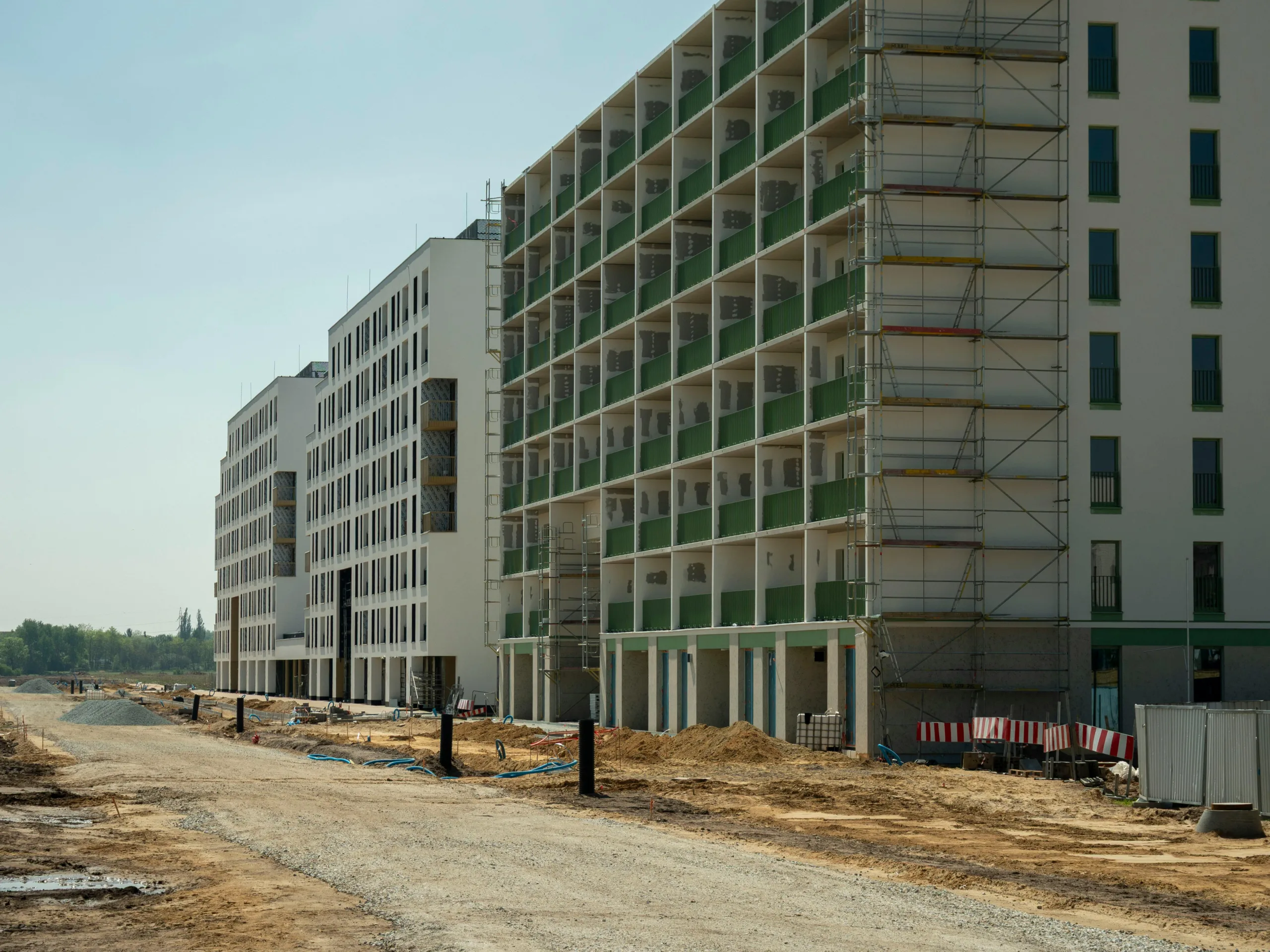
- HUD updated FHA multifamily environmental review policies, removing several requirements tied to railroads, pipelines, and power lines for pending loan applications.
- The agency said the revisions will streamline underwriting and reduce compliance delays that developers and lenders have criticized since the 2020 MAP Guide rollout.
- The changes could modestly improve the competitiveness of FHA apartment financing as developers continue to face elevated construction costs and tight project margins.
HUD is loosening environmental review requirements tied to FHA multifamily loans, giving apartment developers and lenders a potentially faster path through the federal financing process, according to Globe St. The Department of Housing and Urban Development announced the policy revisions in a May 4 mortgagee letter sent to FHA-approved multifamily lenders, with changes taking effect immediately for applications that have not yet reached initial endorsement.
The revisions target parts of HUD’s 2020 MAP Guide that industry groups argued added complexity without clear statutory backing. HUD Secretary Scott Turner said the agency is trying to remove “outdated requirements” that have contributed to rising housing costs and development delays while maintaining core underwriting and regulatory standards.
Get Smarter about what matters in CRE
Stay ahead of trends in commercial real estate with CRE Daily – the free newsletter delivering everything you need to start your day in just 5-minutes
Why HUD Reopened the MAP Guide
The policy changes stem from a January 2025 presidential directive focused on reducing housing-related cost pressures. HUD said its review found several environmental requirements embedded in the 2020 MAP Guide that were not explicitly required by federal law or regulation.
Multifamily lenders and developers have pushed back on those provisions for years, arguing they created duplicative reviews and extended closing timelines for FHA-backed apartment deals. The Mortgage Bankers Association formally urged HUD in April 2025 to revisit the standards, saying some rules added compliance burdens without materially improving risk management.
The Details
HUD’s revisions eliminate standalone railroad vibration assessment requirements, shifting rail-related concerns into standard underwriting analysis rather than treating them as separate environmental reviews. References to railyards were also removed, although HUD said railyards will still be evaluated as sources of loud impulsive noise under future guidance.
The agency also rolled back language governing pressurized pipelines, calling portions of the 2020 framework “confusing and difficult to implement.” HUD will instead revert largely to standards from the 2011 MAP Guide while retaining select clarifications from the 2020 version.
Another notable change affects projects near high-voltage transmission lines. Instead of requiring engineered fall-distance calculations, HUD will now use a simplified screening threshold equal to 50% of the height of the free-standing support structure. Projects inside that distance must still comply with ASCE-7 structural standards.
HUD stopped short of broader changes to its noise standards, noting that significant revisions would require formal rulemaking. However, the agency said additional sub-regulatory updates could arrive through future mortgagee letters and MAP Guide revisions.
A Broader Push To Speed Housing Production
The FHA multifamily environmental reviews update comes as federal agencies face pressure to boost housing production. Developers still face high financing costs, labor shortages, and expensive materials. Those pressures have hurt apartment project feasibility since interest rates climbed in 2022.
FHA-insured multifamily lending remains critical for workforce and affordable housing projects. Many developers rely on government-backed debt to secure better financing terms. MBA’s 2025 commercial real estate finance outlook showed multifamily borrowing and lending volumes recovering gradually. That rebound comes as HUD continues reshaping multifamily lending programs through lower mortgage insurance premiums and other financing incentives. However, underwriting standards remain tight across much of the market.
The latest HUD changes reflect a broader push to shorten permitting and approval timelines. Washington policymakers continue to target delays tied to housing and infrastructure projects. Environmental reviews remain politically sensitive. Still, agencies now distinguish between statutory requirements and internal guidance that creates unnecessary friction.
Why It Matters
For apartment developers, environmental reviews can directly affect project economics. Delays tied to additional studies or inconsistent interpretations often increase carry costs, postpone construction starts, and complicate capital planning in already volatile markets.
By reframing some environmental issues as underwriting matters instead of standalone review hurdles, HUD is effectively giving lenders more discretion and reducing procedural bottlenecks. That could make HUD multifamily loans more attractive relative to conventional financing options, particularly for projects targeting middle-income renters.
The impact on housing affordability will likely be incremental rather than transformational. Still, even modest reductions in review timelines can help projects move forward that might otherwise stall under tighter margins.
What’s Next
Developers and lenders will now watch how quickly HUD staff and third-party reviewers implement the revised standards in active loan pipelines. Industry participants are also waiting for additional guidance on railyard noise standards and other technical environmental criteria.
The policy shift could encourage more borrowers to pursue FHA apartment financing if processing times improve over the next several quarters. But broader multifamily development activity will still hinge on construction costs, interest rates, and capital availability throughout 2026.