







- The average 30-year mortgage rate reached 6.66% in late August, compared with 2.67% in December 2020.
- J.P. Morgan Asset Management estimates buying a home is about 50% more expensive than renting a house.
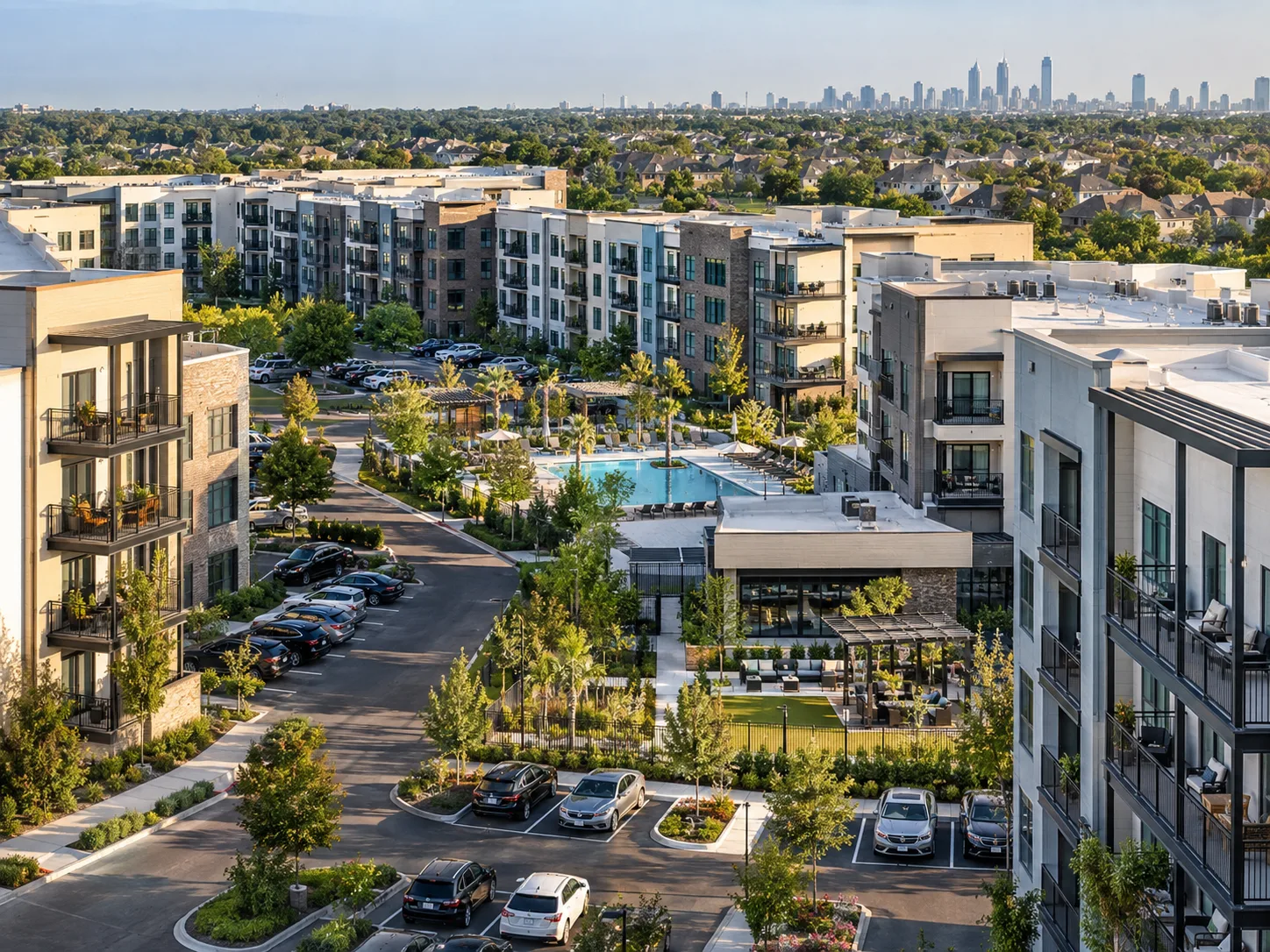
- Multifamily demand remains strong overall, but Sun Belt oversupply is still forcing some owners to offer concessions.
High mortgage rates are keeping homeownership costs elevated and supporting rental demand. Commercial Observer’s analysis of the higher-for-longer rate environment said the average 30-year mortgage rate reached 6.66% for the week ending Aug. 27. That compares with 6.56% a year earlier and 2.67% in December 2020.
Get Smarter about what matters in CRE
Stay ahead of trends in commercial real estate with CRE Daily – the free newsletter delivering everything you need to start your day in just 5-minutes
High Mortgage Rates Widen the Rent Gap
The higher borrowing cost has pushed more households toward rentals. Chad Tredway, global head of real estate at J.P. Morgan Asset Management, said buying a home is about 50% more expensive than renting a house. He also said monthly mortgage payments on the median home have effectively doubled from pre-pandemic levels.
Mortgage rates rose from below 3% in late 2020 to just under 7%, while home values increased roughly 60% since 2019. Tredway described housing affordability as the weakest in a generation. He expects rental demand to remain strong if interest rates stay higher for longer.
The current rate backdrop followed a steep reset. Mortgage rates moved from about 3.2% in early 2022 to nearly 8% by late 2023. During that period, the Federal Reserve raised rates in 12 of 13 meetings over 16 months.
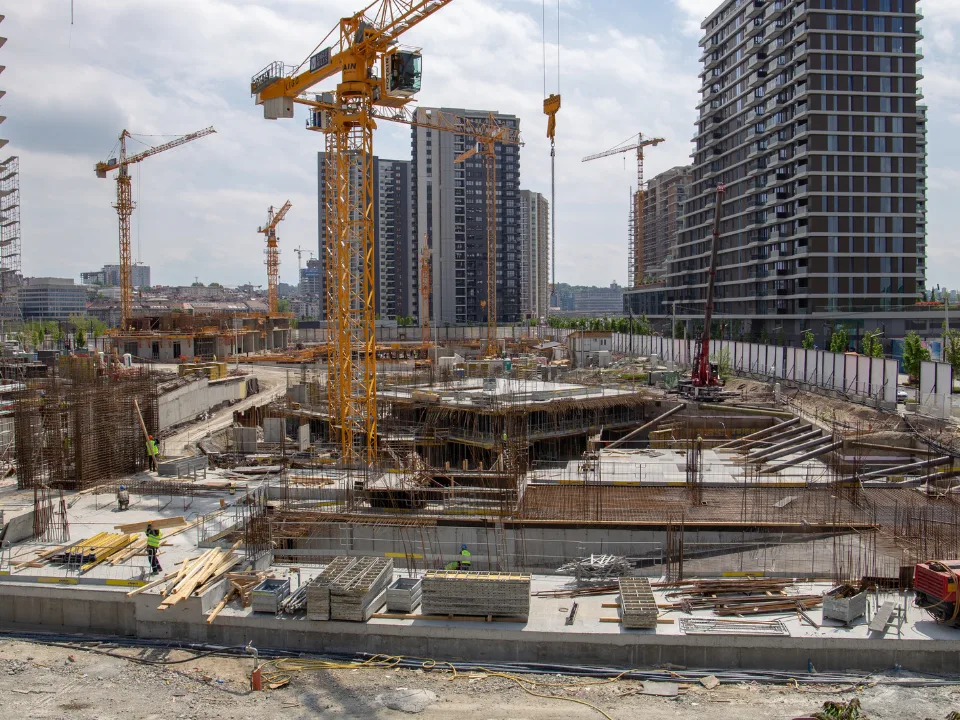
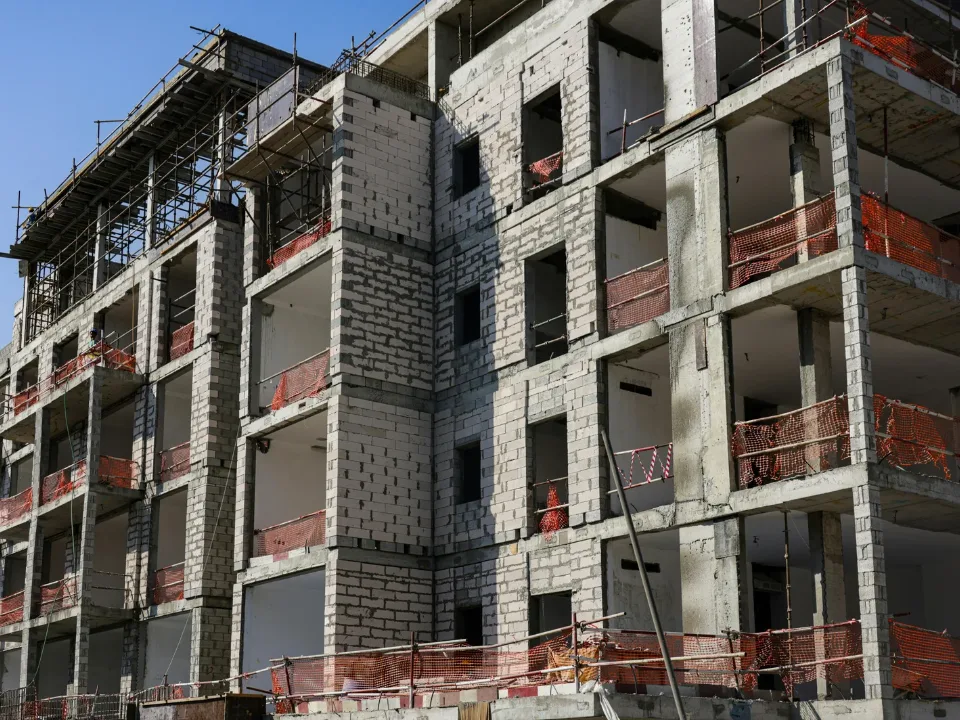
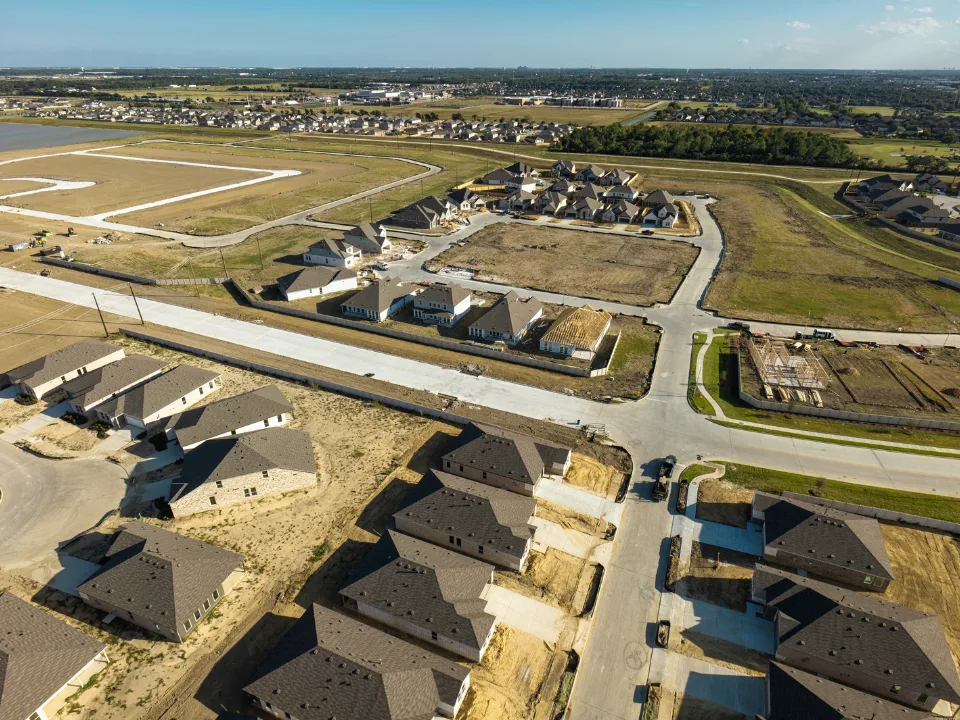
Home construction is also slowing. Tredway said single-family starts are down roughly 70%, with multifamily construction trending lower as well. He expects the shrinking pipeline to support apartment rent growth and deal flow where fundamentals are healthy.
Refinancing Replaces Acquisition Volume
Multifamily lending has remained active even with limited acquisition activity. Melissa Farrell, PGIM Real Estate’s head of US debt originations, said many owners are seeking refinancings. Multifamily represents 65% of PGIM’s transitional and high-yield strategies, up from about 55% last year.
Borrowers are using bridge debt to address higher rates and inflation. Farrell said many owners prefer floating-rate financing in hopes that rates eventually move lower. The financing demand is arriving as higher mortgage costs continue to keep more prospective buyers in the rental pool.
Tredway also pointed to multifamily’s shorter lease terms as an inflation advantage. Apartment leases are typically one year or less. That allows rents to reset faster than in property types with longer contracts when inflation persists.
Sun Belt Supply Still Matters
The national demand story is uneven. Matt Ferrari of PXV Multifamily said parts of the East Coast and Midwest offer discount buying opportunities where rental supply remains limited. In parts of the Sun Belt, however, excess supply is still weighing on owners.
Sun Belt oversupply is still forcing some owners to offer rental concessions. Two months of free rent is common in certain oversupplied areas, according to Ferrari. Construction starts have slowed and helped supply level off, but the gap between constrained and overbuilt markets remains significant.
That divide also shapes Sun Belt oversupply risk for multifamily owners. Markets with less development are seeing stronger rent growth, while easier-to-build markets can face falling rents when supply runs ahead of demand.
Home Sales Show the Affordability Strain
Commerce Department data showed new single-family home sales fell 10.5% month over month to a seasonally adjusted annual rate of 607,000 units. Sales were also 5.3% below July 2025. The median new-home price in July 2026 was $393,800, down 2.3% from June and 0.9% from a year earlier.
Higher rates are also dividing the condominium market. Shlomi Ronen of Dekel Capital said luxury projects in strong markets such as Florida and Texas remain less affected. Older condos in weaker-demand markets face more pressure from reduced affordability.
What’s Next
The Federal Open Market Committee held its benchmark rate between 3.5% and 3.75% in late July for the fifth straight meeting. Federal Reserve Chair Kevin Warsh said in late August that inflation had not meaningfully improved. The source said that raised the odds of a 25-basis-point increase at the Sept. 16 meeting.
For multifamily, the next phase depends on both rates and local supply. Elevated mortgage costs can keep rental demand strong, but refinancing pressure and concessions remain real where apartment deliveries have outpaced absorption.