





- The FBI’s Dallas Division is investigating Lurin Capital, founder Jon Venetos, and associated entities after investor and lender allegations.
- Lurin amassed about 10,000 Class-C apartments across five Sun Belt states before defaults tied to at least $710M of debt.
- Bankruptcies, foreclosure actions, code violations, and fraud allegations have expanded the fallout beyond financing into property operations.
Federal investigators are examining Texas-based multifamily syndicator Lurin Capital after a series of lawsuits, defaults, and fraud allegations. Bisnow reports that the FBI’s Dallas Division opened the investigation into Lurin Capital. The probe covers founder Jon Venetos, the firm, and affiliated entities. An investor email obtained by The Real Deal asked potential victims to provide investment amounts, intended uses of funds, and distributions received.
Get Smarter about what matters in CRE
Stay ahead of trends in commercial real estate with CRE Daily – the free newsletter delivering everything you need to start your day in just 5-minutes
Foreclosures Preceded the Probe
Lurin launched in 2016 and built a portfolio of about 10,000 Class-C apartments across five Sun Belt states. Its strategy centered on upgrading properties, raising rents, and selling them for profit. The strain became public in 2025. ACORE Capital Mortgage moved to foreclose on 12 Florida Panhandle properties backing a nearly $400M loan. More than 2,000 units went to auction. The resulting Lurin’s foreclosure crisis widened as additional creditors pursued the company.
The Details
At least five lenders had accused Lurin of defaulting on $710M of debt by January. Lurin and several affiliated entities filed for Chapter 11 bankruptcy earlier this year. The filings sought to block foreclosures. ACORE also won summary judgment against Venetos after he personally guaranteed almost $20M in mezzanine loans. Separate lawsuits added allegations of improper transfers and falsified bank statements. KeyBank claimed Venetos moved $25K to a personal account. Vista Bank alleged he altered statements to obtain other loans.
Property Problems Deepen
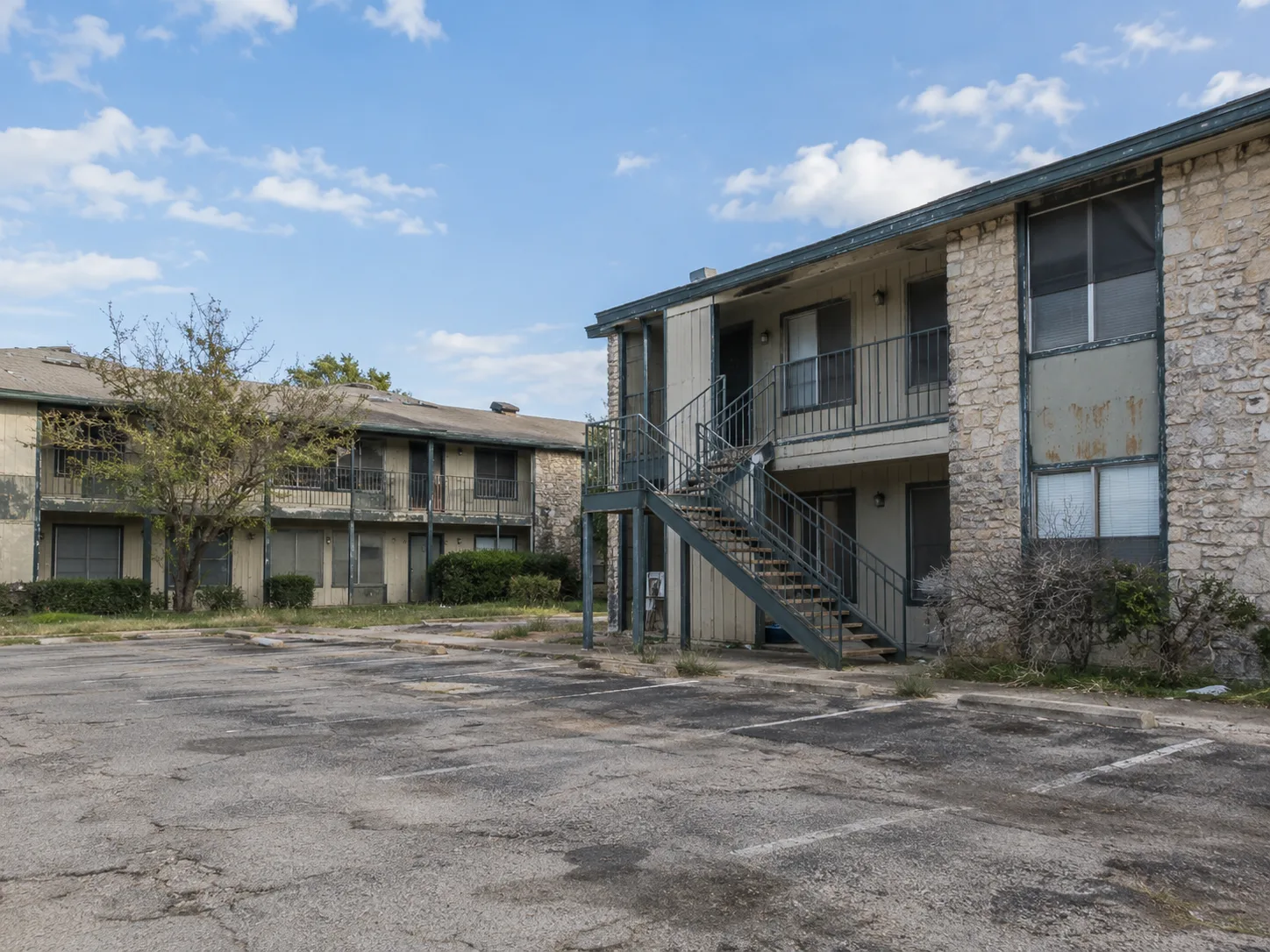
The allegations extend beyond financing. Anonymous former employees told The Real Deal that Lurin stopped contributing to employee 401(k) accounts. They said money still came out of paychecks. One former property manager also alleged the company inflated repair costs and sought lender reimbursement for incomplete work. Municipal actions added property-level pressure. A Collin County, Texas, judge issued a temporary restraining order involving a 264-unit complex. The property had nearly 1,500 code violations and 100 lawsuits. It was deemed uninhabitable, forcing tenants to leave.
More Municipal Scrutiny
Huntsville, Alabama, separately sued Lurin over a 231-unit property. The city alleged the firm abandoned the complex and allowed it to fall into disrepair. Those disputes connect the capital structure problems to day-to-day property operations. They also widen the group of parties involved beyond lenders and investors to tenants and local governments.
Why It Matters
Lurin’s problems fit a broader pattern among highly leveraged Sun Belt apartment syndicators that expanded during the low-rate period. The source also cites separate fraud allegations involving other residential investment firms. Those cases are distinct and involve different parties. Still, they show how financing distress can lead to deeper scrutiny of fundraising, borrower conduct, and property operations when portfolios unravel.
What’s Next
The FBI is asking potential victims to contact its Dallas Division and complete a Lurin investigation questionnaire. Lurin’s bankruptcy cases, lender actions, and property disputes remain active. The federal probe adds another layer of scrutiny. Investigators are gathering information about invested funds, stated investment purposes, and distributions received.