




- Fabletics plans to open 25 new US stores within the next year, focusing its expansion domestically.
- The athleisure brand aims to double revenue, building on a streak of 20%+ annual sales growth and 135+ global locations.
- US retail absorption remains strong, with activewear leading category performance and physical storefronts seeing renewed momentum.
Accelerating Store Growth in the US
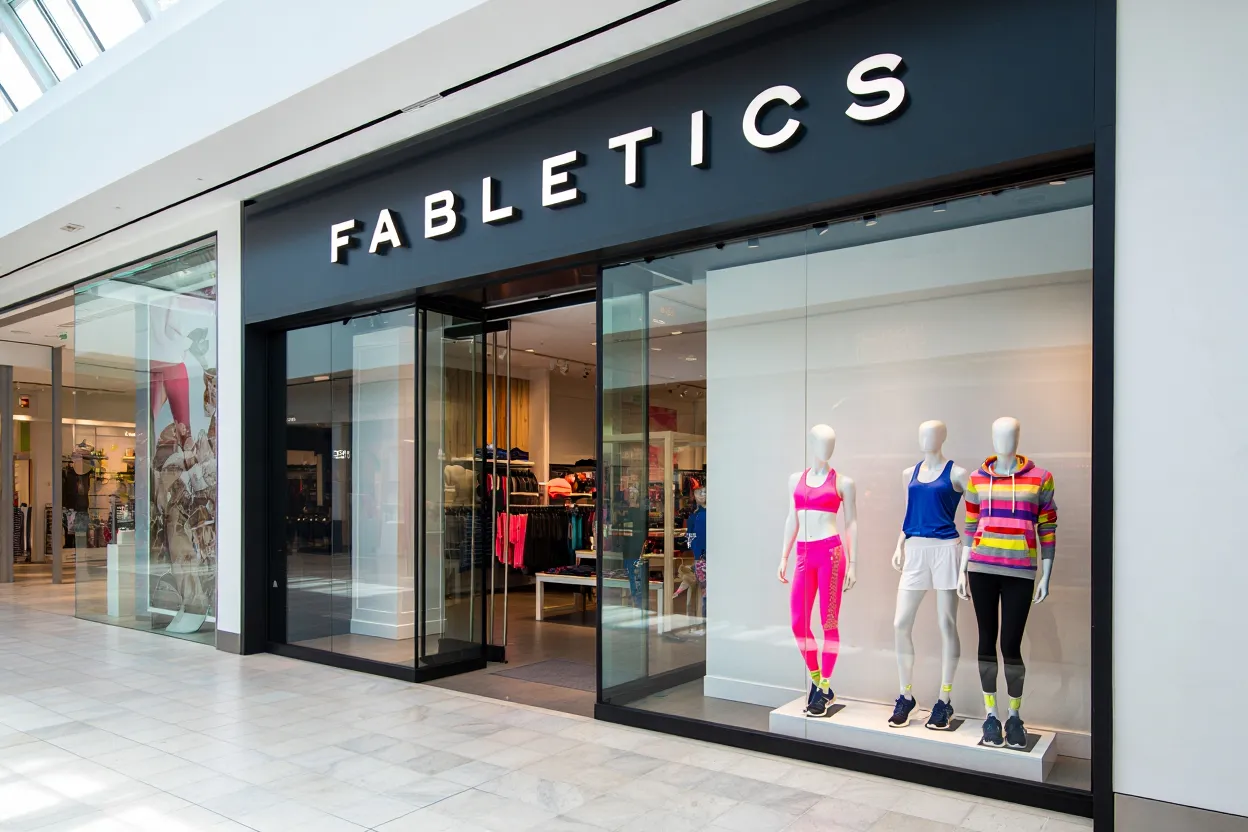
Fabletics will significantly expand its physical footprint by opening 25 new US stores over the coming year, reports Bisnow. CEO Adam Goldenberg shared the plans during an interview with Bloomberg. The privately held athleisure giant is doubling down on America, which now generates more than 90% of its growth. This focus follows 12 domestic store openings during the first half of 2026.
Fabletics also plans roughly 20 international openings over the same period. That would bring its combined expansion to more than 45 new locations globally. The push reflects renewed confidence in physical retail, particularly among brands with strong lifestyle and community appeal. It also positions Fabletics within a wider retail rebound shaped by omnichannel engagement.
Get Smarter about what matters in CRE
Stay ahead of trends in commercial real estate with CRE Daily – the free newsletter delivering everything you need to start your day in just 5-minutes
The Details
Fabletics currently operates more than 135 locations worldwide. Its newest stores primarily target malls and high-traffic lifestyle centers. Leadership views the store network as central to its goal of doubling annual revenue. The brand surpassed $1B in annual revenue last year. Goldenberg said revenue has increased 20% year-to-date in 2026.
That performance follows 14% growth in 2024 and an 18% increase in 2025. The company plans another 20 international stores across key global markets. However, most investment will remain US-focused because of strong domestic category momentum. RetailDive reported activewear sales increased 2% YoY in January 2026. Meanwhile, nonactive apparel sales declined 2%.
Momentum Shift for Physical Retail
The broader retail real estate market also reflects Fabletics’ confidence in physical stores. According to JLL, US retail absorbed 10.2M SF during Q2 2026. That marked the second-strongest quarterly result in two years. National retail vacancy held at 4.4%, among the lowest post-pandemic levels.
Activewear continues outperforming even as some apparel categories face challenges. That strength supports leasing activity and gives retailers confidence to expand their footprints. Retailers have also embraced smaller formats, experiential concepts, and omnichannel strategies as shopping habits continue evolving. Fabletics is not alone in adding stores, but its aggressive pace stands out. Landlords increasingly favor brand-conscious tenants capable of generating consistent foot traffic. Athleisure remains attractive as consumer fitness and lifestyle priorities support demand.
Why It Matters
Fabletics’ expansion highlights the growing retail strategy combining digital reach with physical engagement. Opening 25 US stores signals that physical locations remain essential for certain brands. Stores can strengthen brand awareness, customer retention, and omnichannel sales. Fabletics’ revenue growth also demonstrates continued demand for lifestyle-driven retail. Revenue has increased more than 20% in 2026 after two years of double-digit growth.
Retail landlords also stand to benefit from stronger demand. US retail net absorption reached 10.2M SF in Q2 2026, according to JLL. Meanwhile, national vacancy remained historically low at 4.4%. These conditions can strengthen fast-growing brands when competing for desirable locations. For investors and developers, athleisure offers strength within a sector still facing shifting consumer spending patterns.
What’s Next
Fabletics’ expansion pipeline could become a useful indicator of broader retail momentum. The company plans 25 US openings and 20 international stores during the next 12 months. It expects consumer demand for athleisure and physical shopping experiences to remain durable. The strategy suggests in-person retail has moved well beyond its pandemic-era recovery phase.
Strong consumer demand and store-level performance could encourage other brands to follow. Direct-to-consumer and digitally native retailers may accelerate their own physical expansion strategies. That activity could further tighten availability across desirable retail corridors. It could also increase competition for high-quality locations capable of generating consistent foot traffic.