




- Dan Gilbert and Bedrock are launching a $1.6B Detroit riverfront redevelopment backed by up to $300M in tax credits.
- The project includes new housing, a riverfront park, and an entertainment district, requiring affordable unit set-asides.
- This initiative shifts Detroit’s focus from office tenants to attracting young, skilled residents, with major implications for local growth.
Revitalizing Detroit’s Urban Core
Billionaire Dan Gilbert, co-founder of Rocket Mortgage, has already invested $6B into Detroit’s downtown revival. Now, according to The Wall Street Journal, Gilbert and Bedrock are advancing a new $1.6B vision for the riverfront. The project stalled for nearly two years during state tax credit debates. However, legislative changes revived the plan by unlocking up to $300M in public subsidies.
Detroit has also reversed a long population decline. Wayne State University reports three straight years of population growth for the first time since the 1950s. City leaders believe an upgraded riverfront can attract more young professionals and support lasting economic growth.
Get Smarter about what matters in CRE
Stay ahead of trends in commercial real estate with CRE Daily – the free newsletter delivering everything you need to start your day in just 5-minutes
Legacy Developments and Skyline Shifts
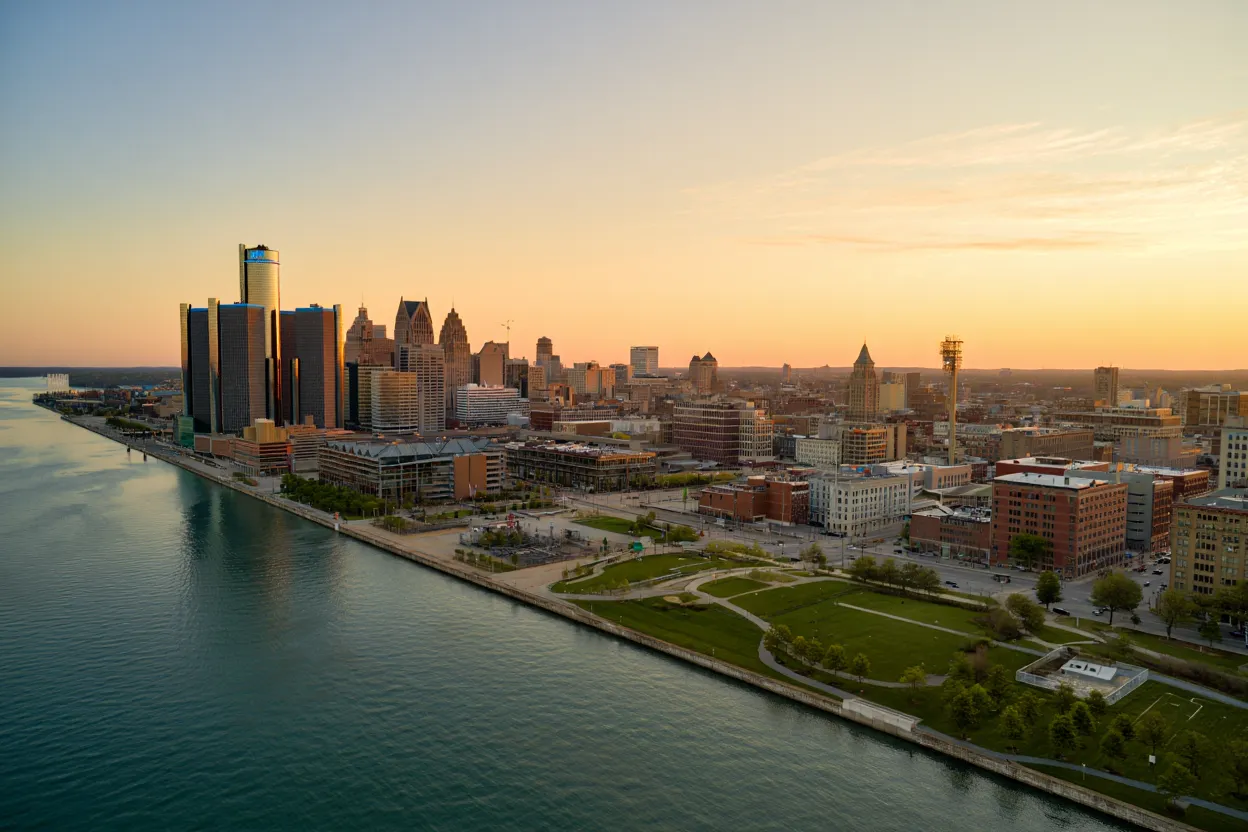
Detroit’s skyline has long reflected large redevelopment efforts. The Renaissance Center remains the city’s strongest symbol of postindustrial ambition. Gilbert’s proposal would demolish two towers and replace them with new mixed-use development. Previous casino and luxury condo proposals failed to gain traction.
The project includes a $1B investment from Gilbert and $250M from General Motors. Together, they aim to transform a site that has resisted redevelopment for decades. The proposal also follows growing debate over the project’s scale, financing, and long-term impact on Detroit’s future.
The Details
The proposal includes a new riverfront park, an entertainment district, and a walkable promenade connecting downtown with the waterfront. Today, major infrastructure separates those areas. The Michigan Legislature expanded tax credit eligibility, making up to $300M available for qualifying projects.
Developers must reserve part of the new housing as affordable to receive the incentives. Bedrock CEO Jared Fleisher said the investment will generate returns gradually. The company wants to strengthen Detroit’s appeal among college graduates and mobile professionals.
Talent Magnetism and Urban Headwinds
Unlike earlier efforts focused on office demand, this project targets highly educated residents. The strategy aims to attract talent first, then encourage business investment. Wayne State’s Andrew Guinn credits Detroit’s recent population growth largely to an influx of young professionals.
Critics question using public funds for downtown projects while many neighborhoods face deeper challenges. Vacant lots, poverty, underperforming schools, and limited transit continue affecting communities beyond the city center.
Previous riverfront projects delivered mixed results. Casino proposals and condo developments failed, but the Detroit Riverwalk became a major success. It increased foot traffic and encouraged private investment. Bedrock hopes to build on that momentum, although concerns about equitable growth remain.
Why It Matters
This redevelopment represents one of Detroit’s biggest public-private investments since the Renaissance Center reshaped the skyline nearly 50 years ago. Gilbert now focuses less on office tenants and more on attracting young, affluent residents. That strategy reflects broader competition among cities for mobile talent after the pandemic.
The project combines Bedrock’s $1B investment, General Motors’ $250M contribution, and up to $300M in state tax credits. That financial backing strengthens the proposal but also increases scrutiny over public incentives.
Wayne State says Detroit’s population has now grown for three consecutive years after decades of decline. Bedrock wants to build on that momentum by creating a premier waterfront destination. Success could provide a model for other postindustrial cities. However, lasting progress will also require addressing inequality across the city.
What’s Next
With expanded tax credits approved, Bedrock and its partners expect to advance design and planning later in 2026. The project still depends on securing financing and completing community engagement. Housing affordability and public spending priorities will remain central issues.
If Detroit delivers this riverfront vision, it could strengthen the city’s demographic and economic recovery. However, long-term success will depend on improving neighborhoods beyond the downtown skyline.