







- Newmark reported 56M cubic feet of negative cold storage absorption, the sector’s first negative reading since 2007.
- Facilities built before 2006 account for 68% of vacant cold storage space. Post-2020 properties captured nearly all backfilled demand.
- New projects average 300K SF versus 125K SF for recent leases. Newmark said the gap may lengthen lease-up periods.
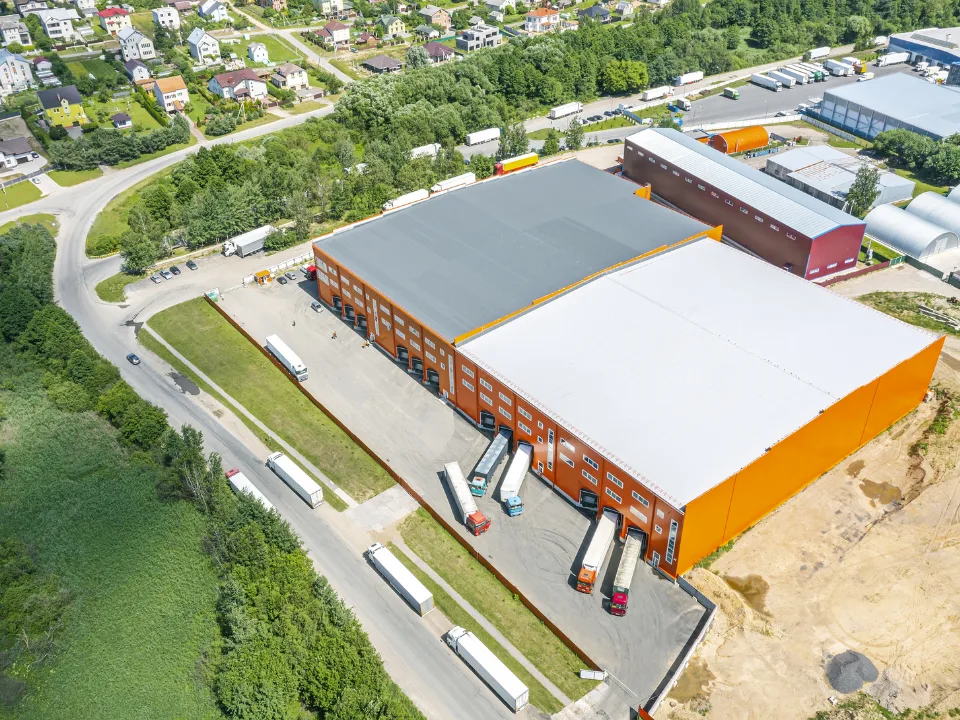
Cold storage vacancy reached a record 7.7% in the first half of 2026, according to Bisnow. Newmark reported 56M cubic feet of negative net absorption, the first negative result for the property type since 2007. Another 41M cubic feet of new supply also entered the market.
Get Smarter about what matters in CRE
Stay ahead of trends in commercial real estate with CRE Daily – the free newsletter delivering everything you need to start your day in just 5-minutes
Consumer Pressure Softens Cold Storage Demand
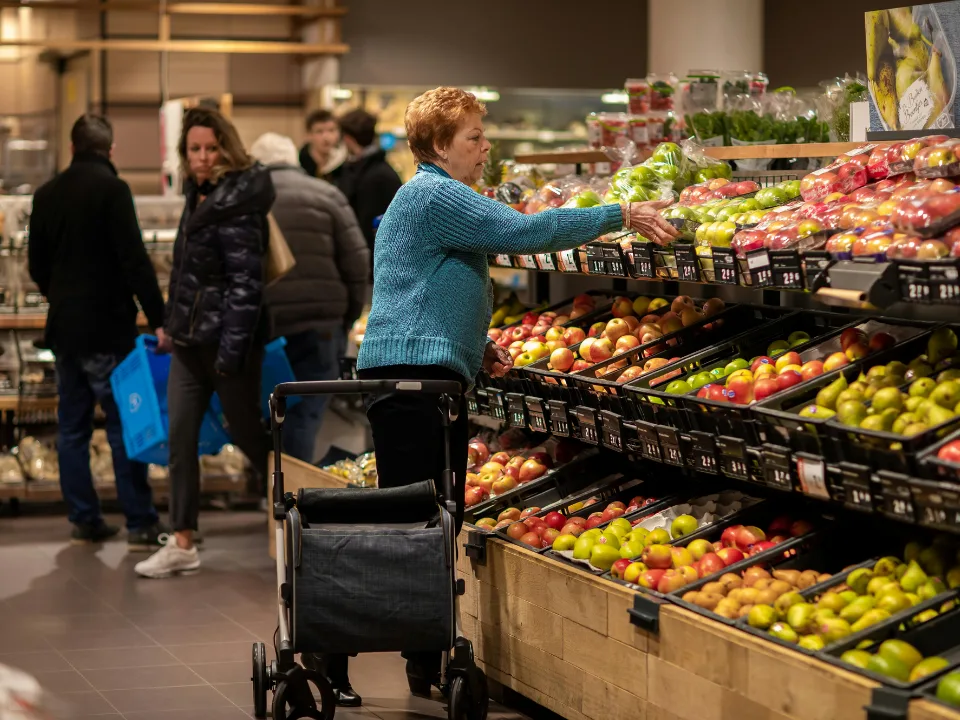
Newmark linked softer demand to weaker grocery purchasing and tighter inventory management. Food prices are more than 30% above 2019 levels, according to the report. SNAP benefit cuts and high gas prices also contributed to a 1.8% year-over-year decline in grocery unit sales.
The report said relatively flat real spending has encouraged leaner inventories across the supply chain. That shift reduces the amount of refrigerated space users need to hold product. The effect has arrived as new capacity continues to enter the market, increasing vacancy pressure.
Cold Storage Vacancy Concentrates in Older Assets
The slowdown is concentrated in older buildings. Newmark found that pre-2006 facilities make up 68% of vacant cold storage inventory. They carry an 8.2% vacancy rate. Properties built from 2006 through 2019 are only 3.4% vacant. An earlier oversupply cycle already showed tenants favoring newer facilities as older space struggled.
Nearly all space backfilled in the first half was built in 2020 or later. Almost all negative net absorption occurred in facilities built in 2006 or earlier. The split shows a clear flight to newer product as overall sector demand contracts.
Project Size Creates a Leasing Mismatch
New development also differs from what tenants have typically leased. Newmark found the average cold storage lease signed over the past five years was 125K SF. Projects now under construction average 300K SF. The report’s authors said that gap may lengthen lease-up periods for some new facilities.
Development costs raise the stakes. Cold storage facilities cost about $130 to $350 PSF to build, compared with $80 to $150 PSF for traditional warehouses. Two major markets, New York-Philadelphia and Los Angeles-Inland Empire, have almost no new cold storage underway despite aging inventories.
Why It Matters
Cold storage users are also buying more facilities. Newmark said users made up almost 36% of buyers. Their share was 32% in 2025 and 10% in 2024. Walmart provided one example with a $223M purchase of a Riverside, California, cold storage facility built in 2010. More user purchases can reduce the need for some companies to lease speculative space.
Record vacancy and larger new projects add another challenge. The sharp vintage split also makes building quality and project sizing more important for cold storage owners and developers.