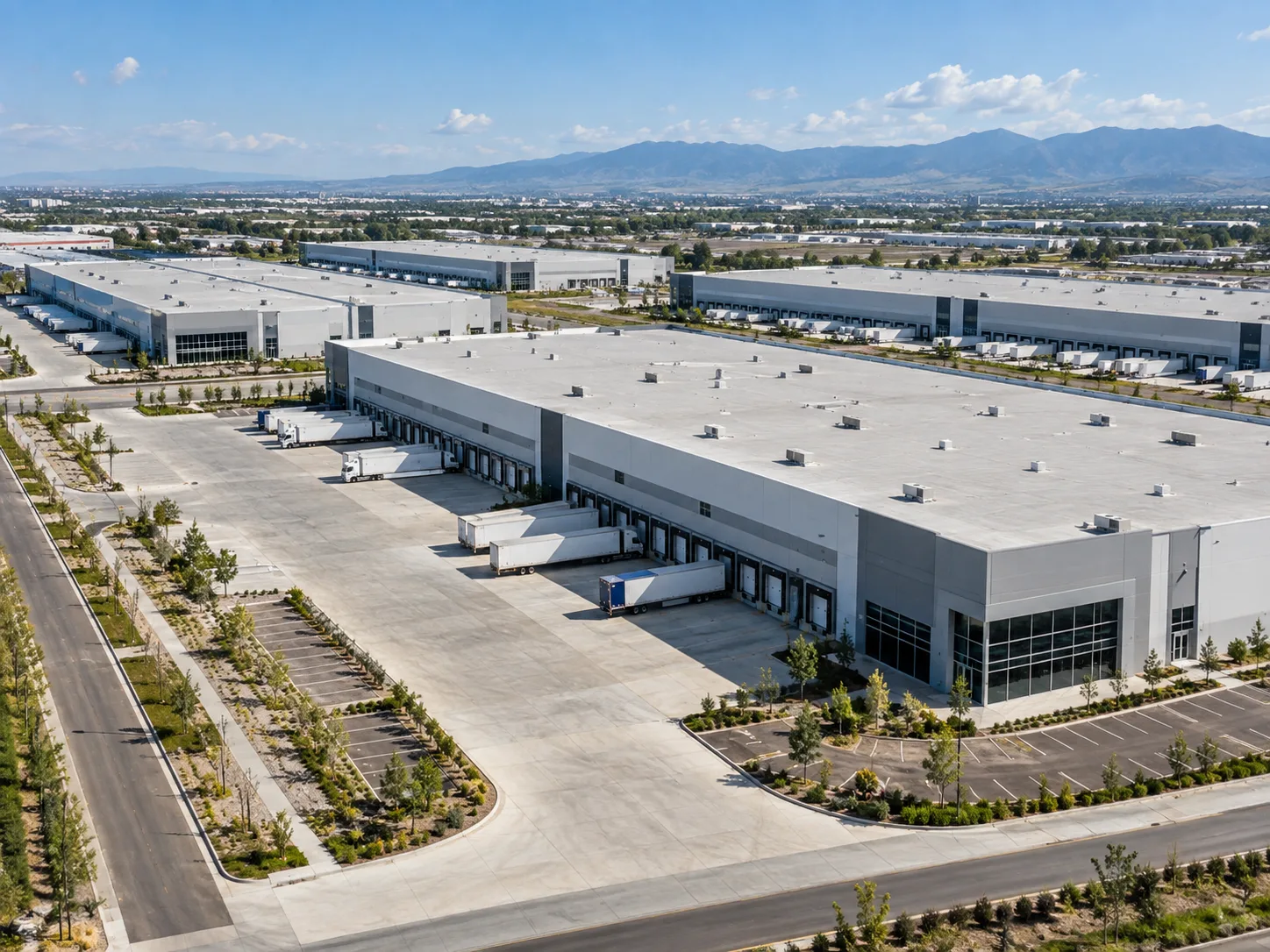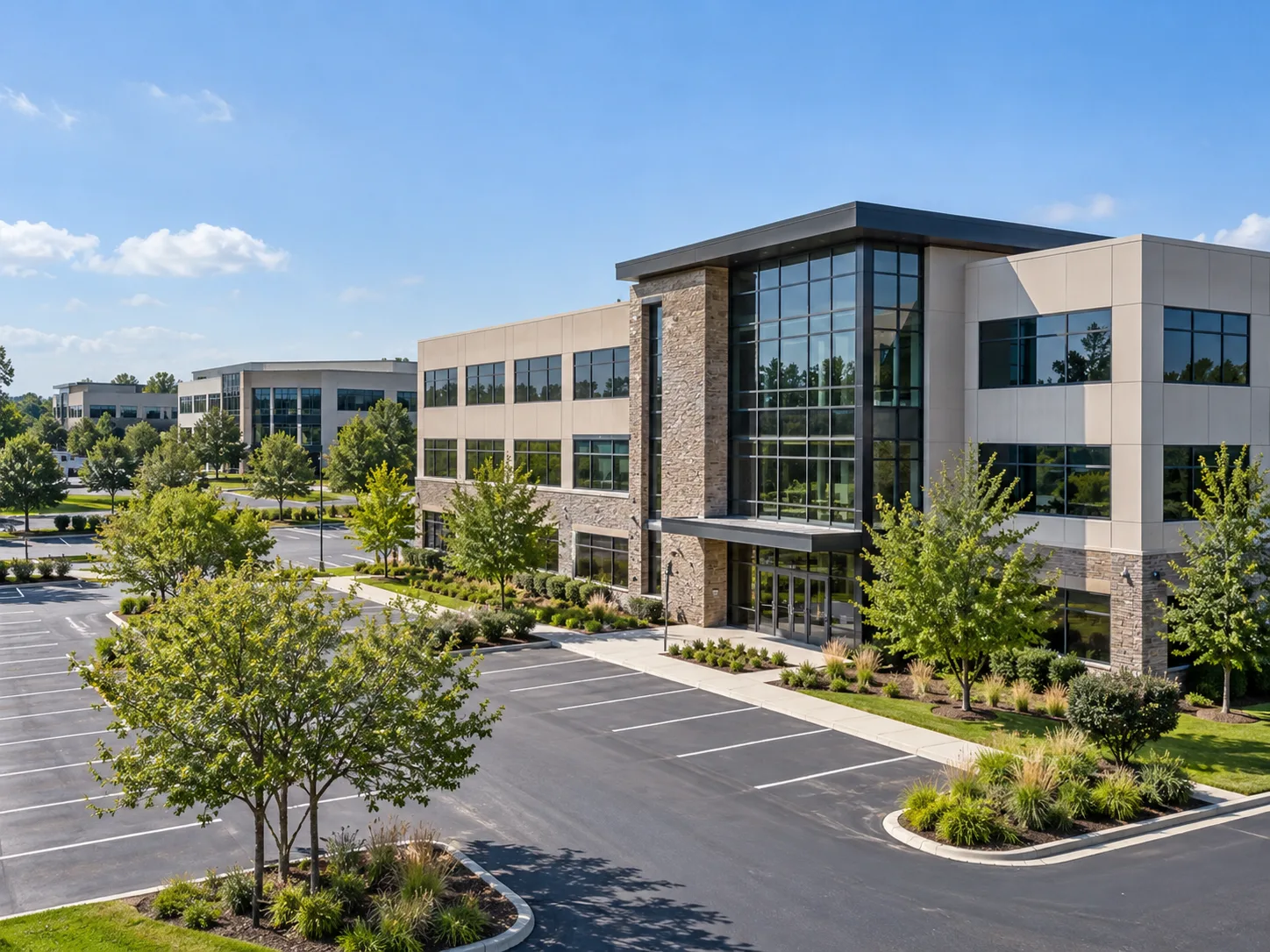





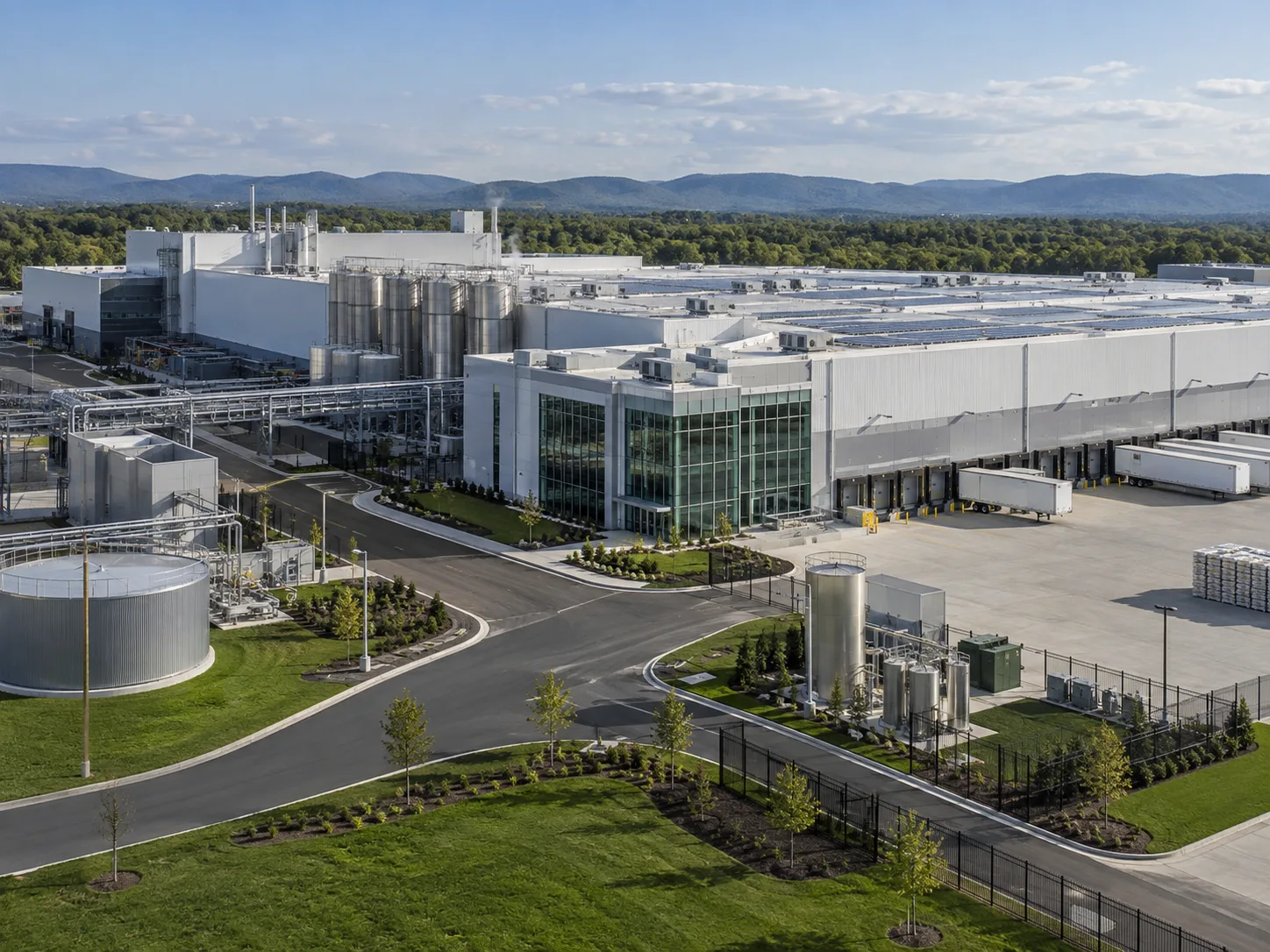
- Coca-Cola plans to invest $10B in US infrastructure through 2030 across production, distribution, and office facilities.
- Major projects include 620K SF plants in California and Colorado plus $650M fairlife investments in Michigan and New York.
- Several facilities depend on public water and electrical upgrades, tying private industrial expansion to broader regional infrastructure spending.
Coca-Cola’s planned $10B US infrastructure program is creating a multiyear pipeline of industrial and corporate real estate projects. GlobeSt details new and expanded facilities spanning manufacturing, distribution, dairy processing, and offices through 2030. Several projects combine large private investments with water, power, automation, and sustainability upgrades.
Get Smarter about what matters in CRE
Stay ahead of trends in commercial real estate with CRE Daily – the free newsletter delivering everything you need to start your day in just 5-minutes
Coca-Cola Industrial Buildout Starts With Large Plants
Reyes Coca-Cola Bottling broke ground in February on a 620K SF bottling and distribution campus in Rancho Cucamonga, California. The company expects to spend $500M to $650M on the 30-acre project. The new campus will replace a 125K SF plant built in 1984, with completion scheduled for 2027. Coca-Cola will build its first new California production facility in 60 years and equip the campus with renewable-energy systems.
Swire Coca-Cola USA is developing another 620K SF manufacturing facility in Colorado Springs. The company will invest $475M to replace its 90-year-old Denver plant. Swire designed the facility to support advanced production, streamline logistics, improve water and energy efficiency, and target LEED Gold certification. The company serves 13 Western states, so the new plant will support its broad distribution network.
The Details
Coca-Cola’s fairlife business is also driving major industrial construction. In Coopersville, Michigan, a $650M expansion will add 245K SF and two high-speed production lines. The enlarged plant is expected to handle another 4M pounds of milk supplied daily by local dairy farmers, with completion targeted for early 2028. The expansion also links the plant more tightly to the region’s dairy supply chain.
In Webster, New York, Coca-Cola is developing a separate $650M fairlife plant totaling 745K SF. The facility is expected to process 4M to 5M pounds of milk per day and create about 380 full-time jobs. The project will include stormwater technology for irrigation and cooling.
Utilities Are Part of the Real Estate Equation
The dairy projects show how large food-processing facilities depend on regional infrastructure. Coopersville used a $17M state grant to improve its water system. In New York, a $20M FAST NY grant supported county electrical upgrades designed to attract agribusiness and industrial machinery users.
Those investments extend the impact beyond the plant walls. Utility capacity can support agricultural suppliers, transportation users, cold-chain activity, and other industrial occupiers that rely on the same networks.
Distribution and Offices Add More Projects
Coca-Cola Consolidated is investing $35M in Indianapolis to add a glass-bottle production line. Coca-Cola Beverages Florida spent $84M rebuilding a 180K SF Orlando distribution facility with automated warehouse technology.
In Birmingham, Coca-Cola UNITED opened a 100-acre headquarters campus after a $330M investment. The property combines corporate offices, a sales center, and a distribution warehouse, but does not include beverage production.
These projects sit alongside Coca-Cola’s much larger operating footprint. The company says it has about 200 brands, contributes $85B annually to US GDP, and supports nearly 1M jobs directly and indirectly.
Why It Matters
The program illustrates how advanced manufacturing can create demand across production, distribution, office, and supporting infrastructure. It also adds to industrial manufacturing investment occurring through large purpose-built facilities and major retrofits.
Coca-Cola says its US system supports nearly 1M jobs directly and indirectly and spends about $37B annually with US suppliers. That scale increases the potential regional effect of major plant and distribution investments.
What’s Next
The infrastructure plan runs through 2030, while several large projects have nearer completion targets. Rancho Cucamonga is scheduled for 2027, and Coopersville is expected in early 2028. Investors can watch whether surrounding manufacturing, supplier, logistics, and housing activity follows these projects as local capacity comes online. Webster and Colorado Springs will also remain major projects to watch as their production and infrastructure systems are completed.
Local real estate professionals around Rancho Cucamonga have also raised the possibility of added manufacturing and housing demand tied to new jobs. GlobeSt notes that those secondary effects are not guaranteed, but the scale of the project makes them worth monitoring.