





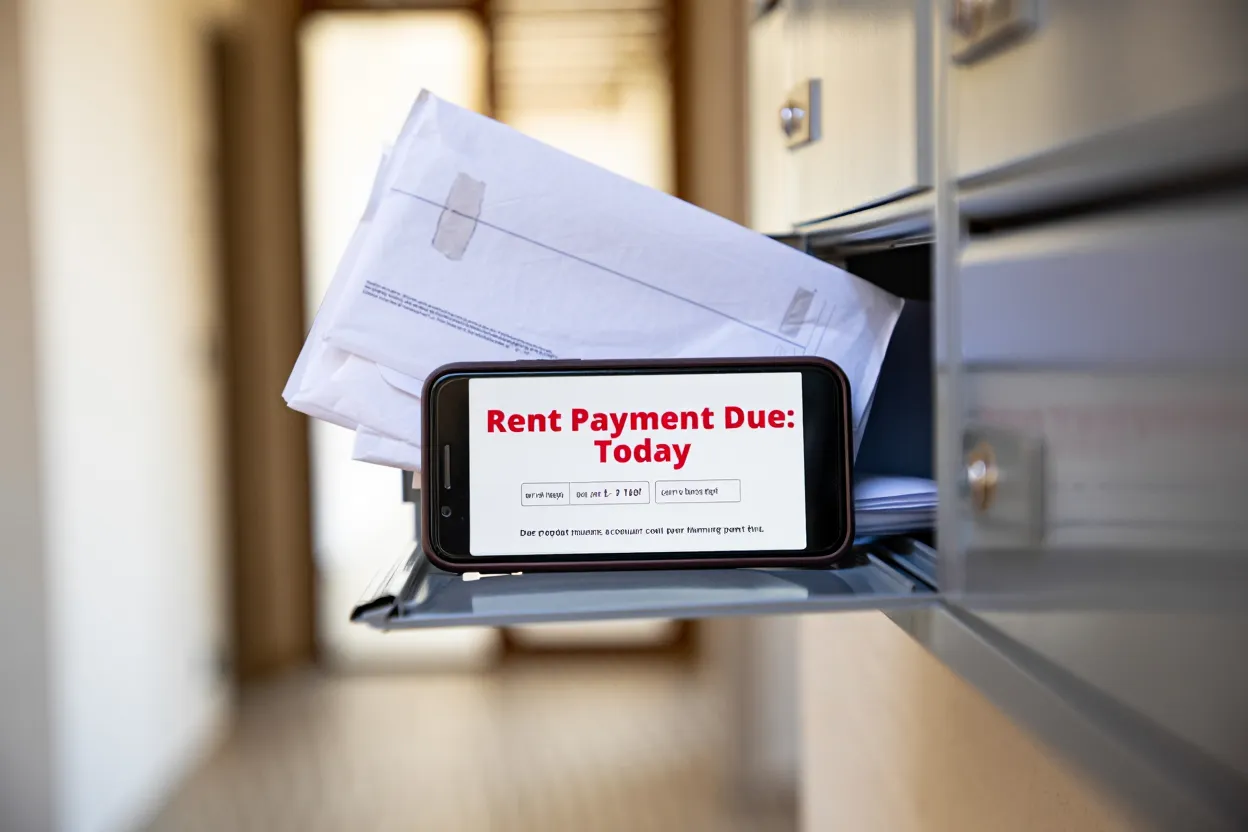



- A US lawmaker is urging the CFPB to investigate ‘rent now, pay later’ companies for potentially unclear fee disclosures.
- Concerns are mounting that renters do not fully understand how installment rent payments may add hidden costs and fees.
- The move could put greater regulatory scrutiny on alternative rent payment products gaining traction in the housing sector.
Regulatory Calls Intensify Around Rent Payment Fintechs
Rep. Maxwell Frost, D-Fla., has formally asked the Consumer Financial Protection Bureau (CFPB) to investigate the burgeoning ‘rent now, pay later’ (RNPL) sector, according to the Associated Press. Frost’s letter to Acting Director Russell Vought highlights growing congressional concern that Americans may not grasp the true costs of splitting rent into multiple installments, a product that has proliferated as cash-strapped tenants seek flexibility amid rising housing costs.
This comes as the US housing market sees increased adoption of RNPL services, most notably from companies like Flex and Livble. With mounting economic pressure on renters, changes in how tenants meet rent obligations are drawing heightened scrutiny from policymakers worried about consumer protection gaps in fast-evolving fintech offerings.
Get Smarter about what matters in CRE
Stay ahead of trends in commercial real estate with CRE Daily – the free newsletter delivering everything you need to start your day in just 5-minutes
Regulatory Rollbacks Set the Stage
The CFPB’s approach to consumer finance regulation has shifted significantly in recent years. Under the current administration and Acting Director Russell Vought, the bureau has scaled back regulatory actions and enforcement activity, per the Associated Press. This scaling down of oversight, including rolling back previously issued guidance and dropping some enforcement cases, has alarmed advocates for renter protections. Frost’s inquiry comes as the bureau faces criticism for not responding to several inquiries from lawmakers regarding new financial technology products. Market observers note that the RFPL sector has flourished in this vacuum, operating without the same scrutiny applied to more traditional lending products.
The Details
RNPL companies enable tenants to split monthly rent—traditionally paid in a single lump sum—into several smaller payments throughout the month. For example, a $1,000 rent bill could be divided into four $250 installments or two $500 bimonthly payments. While platforms like Flex and Livble position this as a tool for managing cash flow, some users end up paying additional fees or finance charges, sometimes as high as $50 per month, according to a February AP report. These offerings are distinct from platforms like Bilt, which allow rent payments via credit card and reward systems, but do not focus on installment-based financing. Larger players such as Affirm have also explored limited pilots allowing rent to be split into multiple payments through partnerships.
Increased Use Amid Stubborn Rent Burden
Demand for RNPL options has grown alongside persistent rent affordability challenges. In 2025, US median rent increased by 4.8% year-over-year, per Apartment List, leaving many tenants stretched thin. While FinTech platforms argue their products offer flexibility and convenience, lawmakers and advocacy groups have likened RNPL models to repackaged payday loans, citing concerns over transparency and consumer understanding of costs. A February report from Protect Borrowers and Toward Justice argued that some RNPLs should fall under the Truth in Lending Act, given how fees and repayment timelines are structured—an assertion the industry disputes. With economic headwinds unlikely to abate soon, scrutiny of alternative rent payment products is likely to grow, especially as more renters look for ways to handle monthly obligations without falling behind.
Why It Matters
Frost’s push for CFPB investigation underscores the stakes for consumers navigating the intersection of housing and fintech innovation. The RNPL model is targeting a renter base already vulnerable to financial shocks—over 18M US renter households spend more than 30% of their income on rent per Harvard Joint Center for Housing Studies (2025). Any opacity in fees or payment terms risks further burdening renters least equipped to absorb surprise costs.
Regulatory intervention could set new standards for disclosure and fee transparency, impacting not just RNPL providers but also property operators partnering with these platforms. With the CFPB having curtailed its regulatory reach in the past two years, industry advocates fear these products have operated largely unchecked—a potential risk for both tenants and landlords if defaults or disputes rise. The debate also signals a larger CRE trend: as tech continues to reshape rent collection and tenant engagement, lawmakers and agencies are playing catch-up to ensure legacy consumer protections keep pace with innovation.
What’s Next
The CFPB is undergoing leadership transition, with Brian Johnson—formerly of Capital One and a past CFPB executive—nominated to become permanent director. Whether the bureau will increase scrutiny of RNPL companies remains uncertain, especially with previous member requests for investigations unanswered. Frost has indicated that, should Democrats regain control of Congress, legislative action aimed at these fintech offerings could be on the table for 2027. For now, RNPL companies may face higher public and industry attention, signaling possible regulatory shifts ahead for residential payment technology in the US.