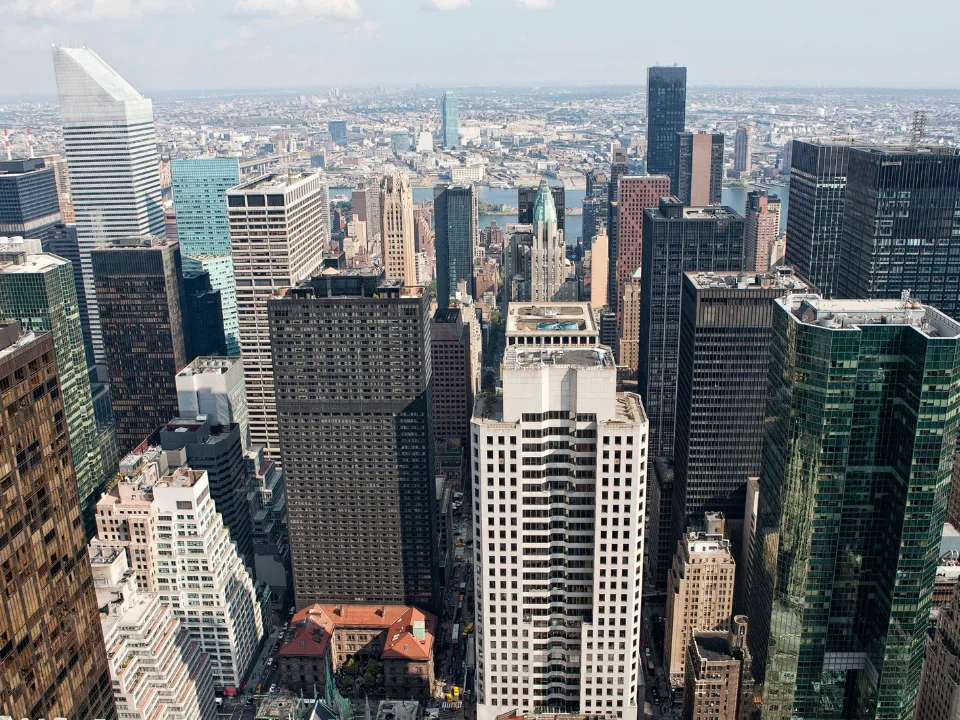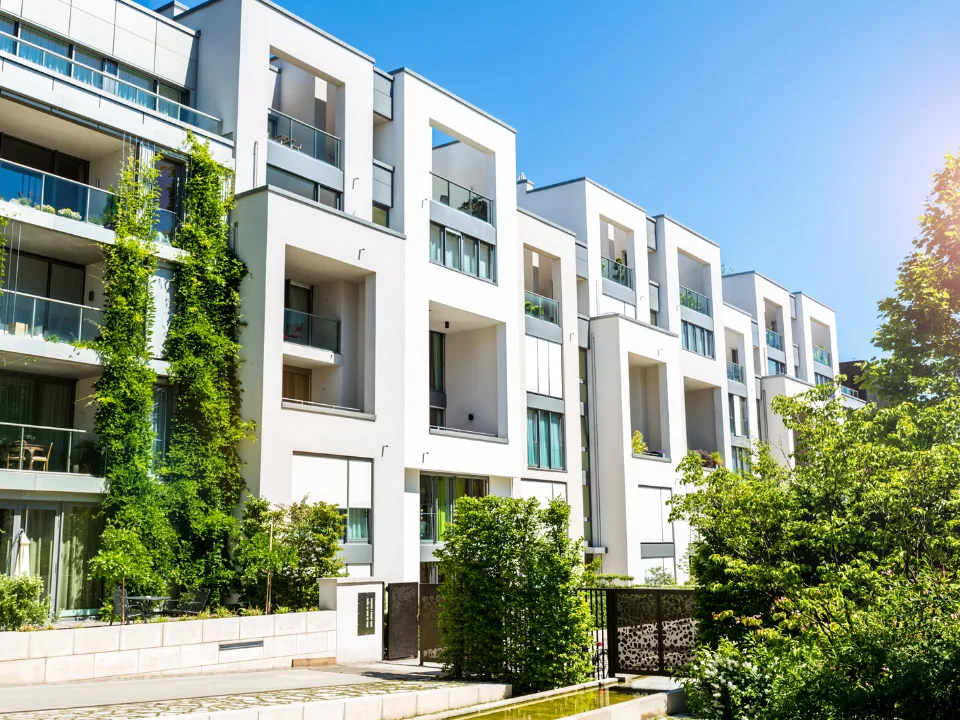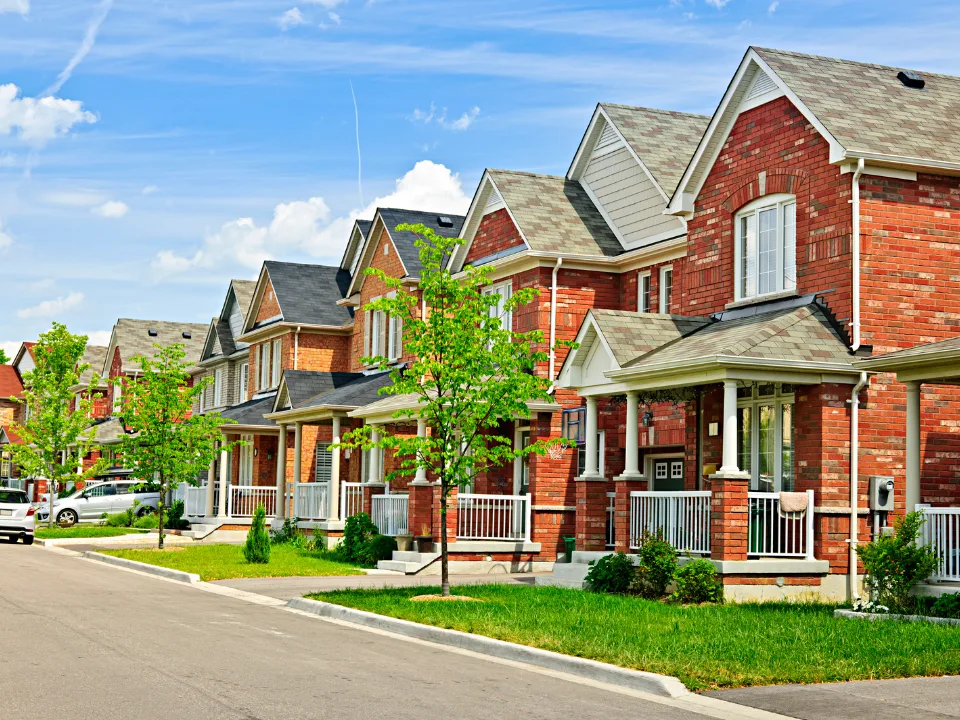



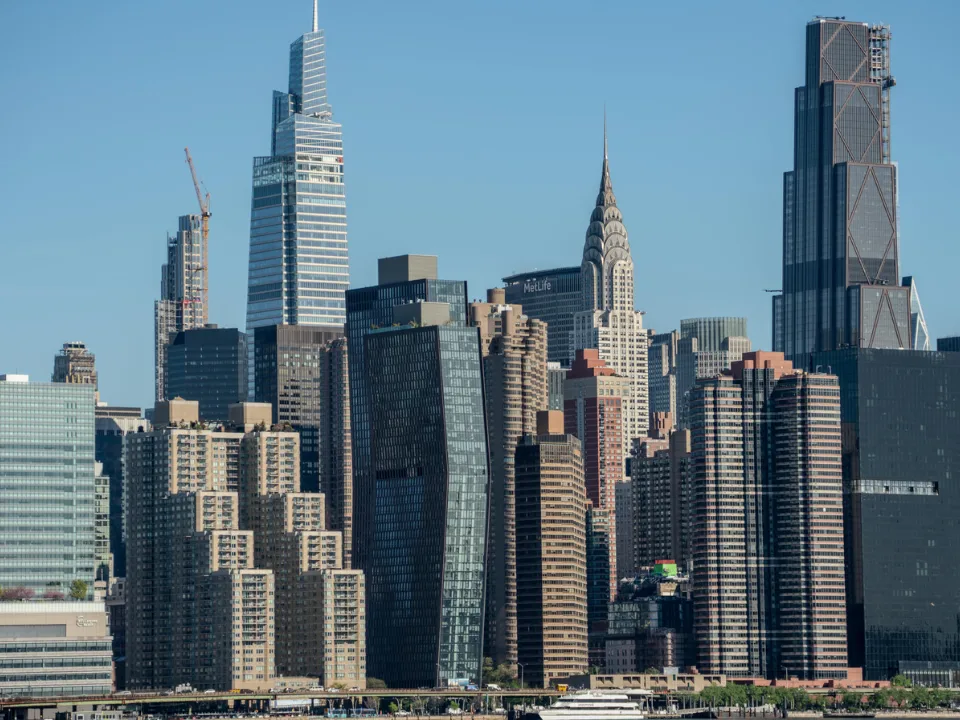




- Cap rates across most US property sectors remained stable in Q1 2026, according to Green Street’s Cap Rate Observer.
- Strip centers and senior housing posted notable gains, with cap rate compression and value growth far outpacing core asset classes like offices or apartments.
- Deal selection—not broad market timing—is driving returns, as capital focuses on sectors with clear income growth and operational momentum.
The New Winners in a Static Market
Green Street’s latest Cap Rate Observer for Q1 2026, as reported by Globe St., underscores a US commercial real estate landscape where most sectors are locked in place on pricing while a select few stand out. The headline: Cap rates for nine major sectors barely moved quarter-over-quarter, yet strip center retail and senior housing quietly surged ahead, attracting institutional and private capital to what had been overlooked asset types.
This divergence is more than anecdotal. Strip center cap rates compressed by about 15 basis points (bps) in the last quarter, and senior housing values jumped 13% year-over-year, nearly recapturing 2022 highs. For CRE executives, these shifts signal that repricing is slow and fragmented, with sector selection gaining new importance in today’s disrupted rate cycle.
Get Smarter about what matters in CRE
Stay ahead of trends in commercial real estate with CRE Daily – the free newsletter delivering everything you need to start your day in just 5-minutes
The Details
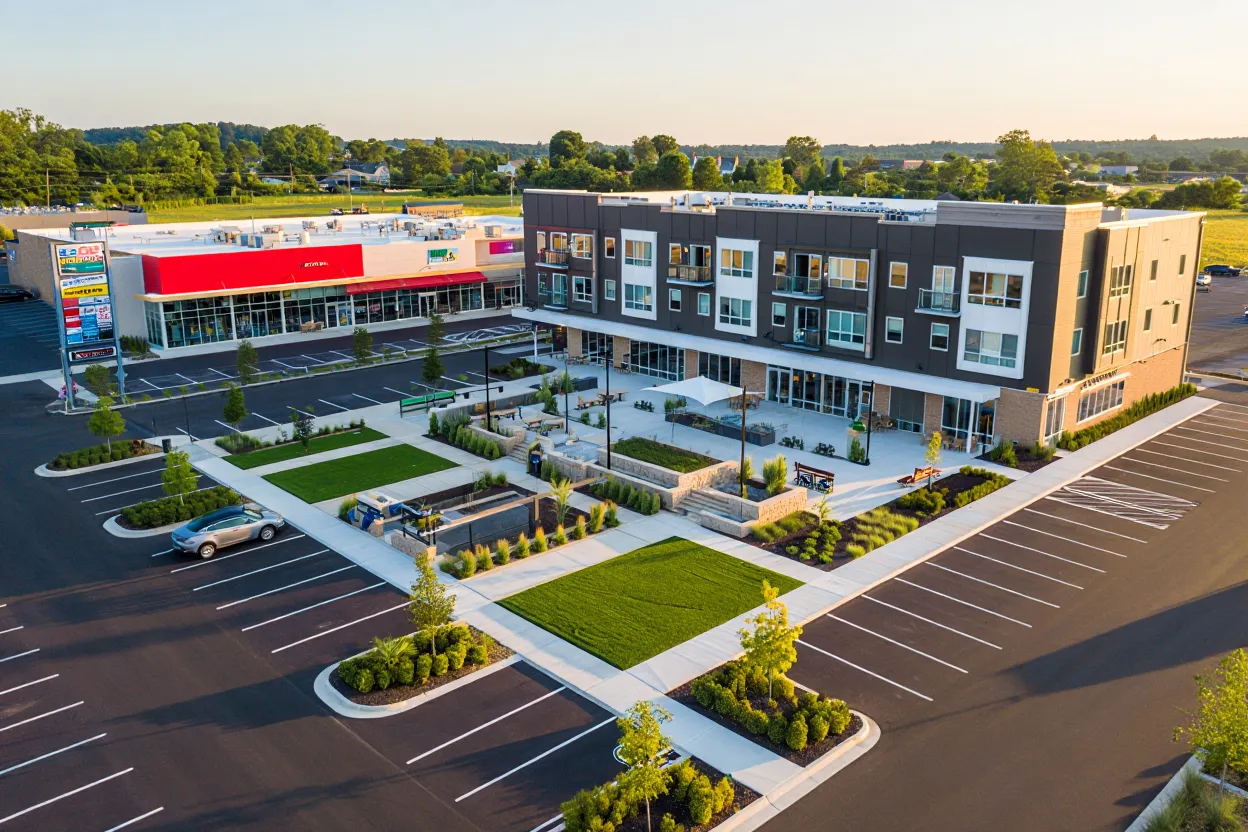
Strip centers saw average values rise 2% in Q1 2026 as compressed cap rates and limited new supply attracted more buyers, especially in secondary and tertiary markets. Power centers outperformed even further, with cap rates tightenting 30 to 40 bps as institutional demand spilled beyond core metros.
Senior housing recorded the sector’s sharpest rally, up 13% in asset value from the prior year. That momentum follows a broader 2025 pattern, when senior housing outperformed much of commercial real estate. Cap rates have held steady in 2026, but NOI growth and active portfolio trades have pushed values higher. In gateway markets, starting yields on senior housing are near 6%, while select Midwest and Sun Belt metros still exceed 7%, making them attractive on a risk-adjusted basis, per Green Street.
Elsewhere, data centers maintained cap rates but edged up 1% in value, driven by healthy NOI growth and an active transaction pipeline. By contrast, office, apartment, and single-family rental (SFR) assets are screening as expensive for average-quality inventory, with little movement in cap rates and generally muted investor interest outside high-lease or specialized plays.
A Market Largely in Neutral
Most property types are now in a holding pattern, rather than decline or broad rebound according to the report. National apartment cap rates were flat, but dig deeper and regional trends diverge sharply: Southern California and the Bay Area tightened by 5–20 bps on robust rent growth, while markets like Seattle and Boston experienced slight rate increases due to policy headwinds and investor caution.
Industrial, too, was generally steady in the mid‑5% range this quarter. However, select metros like Nashville, Columbus, and the Bay Area eked out 10–30 bps of cap rate compression tied to better operating metrics, while South Florida saw slight upward movement as the mark-to-market story fades. Lodging and self‑storage showed modest improvements or stabilization, with self-storage values up 2% over the past year after a sharp correction, and a rebound seen especially in St. Louis with a 17% surge. SFR pricing saw slow gains along the coasts, but overall sector values and yields plateaued quarter-over-quarter.
Why It Matters
For capital allocators, the biggest lesson from Green Street’s Q1 data is that the pricing reset isn’t universal—but leadership has changed. Former favorites like traditional office and commodity multifamily no longer deliver the relative value or income growth that institutional investors want, while strip centers and senior housing have stepped forward as reliable income plays with clear supply-demand dynamics.
Notably, Green Street cites especially brisk deal activity in healthcare—including large senior housing transactions—as well as industrial and selective office. The take: Although cap rates have largely found a floor, buyers are gravitating toward segments that offer both visible NOI growth and yields that remain competitive with credit or fixed income. Senior housing fits this bill, eclipsing other asset classes with double-digit value growth and starting yields of 6–7% against a backdrop of favorable demographic demand and stable supply pipelines.
For retail, the cap rate compression in local and power center strip malls reflects a reversal of prior underperformance as supply constraints, healthy leasing, and a shift in institutional focus push pricing. In contrast, office and SFR sectors command little risk-adjusted premium; Green Street’s analysis suggests allocators need selectivity and possibly a value-add or opportunistic tilt to find returns in those categories.
What’s Next
Looking forward into the latter half of 2026, CRE professionals can expect the cap rate landscape to remain highly segmented. Executives planning allocations must now make sector and metro-level bets, as stability in the macro cap rate environment belies notable operational differences across regions and property types.
Real-time opportunities may continue to appear in senior housing and strip centers, with capital chasing visible cash flow and access to supply-constrained or fragmented markets. Data centers, with their strong NOI and resilient tenant demand, are also positioned for incremental value gains. Meanwhile, owners in office or traditional apartments should expect value creation to hinge on niche, market-by-market strategies, as the broad ‘beta’ play has faded for now. As Green Street’s work suggests, CRE winners in 2026 will be those reading micro trends, not just macro cycles.