



- Major US banks slashed credit loss reserves in Q2 2026 amid improving CRE portfolios and surging AI sector investment.
- Data center lending and AI-driven growth were top themes on major bank earnings calls, even as market caution lingers for some asset classes.
- The improved lending climate and AI focus point to a shifting risk landscape for CRE professionals, with traditional worries balanced by new tech-driven opportunities.
Pandemic Loan Nerves Fade as AI and Data Centers Surge
Big banks spent multiple quarters trimming exposure to potentially toxic commercial real estate loans written during the pandemic, but that cloud has started to lift. According to Bisnow, Q2 2026 earnings calls at the top five US banks—JPMorgan Chase, Bank of America, Goldman Sachs, Wells Fargo, and Citigroup—showed the conversation shifting from legacy loan risk to future-facing bets on AI and data center growth. Bank leaders indicated that dreaded waves of CRE defaults never fully materialized, and technology-driven sectors are now the dominant story. This broad confidence is helping banks reduce the provisions they’ve set aside for loan losses, reflecting both underlying improvements and a willingness to reengage with higher-value CRE credit.
Banks’ renewed optimism isn’t happening in a vacuum. According to May 2026 deal volume numbers, US real estate sales activity regained momentum, recouping ground lost in April. CRE deal flow’s resilience, powered in part by growing appetite for data infrastructure, has given large lenders fresh confidence to loosen reserves—even amid persistent headline risks in the macroeconomy.
Get Smarter about what matters in CRE
Stay ahead of trends in commercial real estate with CRE Daily – the free newsletter delivering everything you need to start your day in just 5-minutes
The Details
Second-quarter reporting showed major movement on credit loss reserves at the largest banks. Goldman Sachs cut provisions for credit losses from $315M in Q1 2026 to just $102M at the end of June, a 38% decrease—by far the largest percentage cut. Bank of America and JPMorgan Chase also trimmed provisions by more than 10%, finishing with $1.4B and $2.5B respectively. Wells Fargo bucked the broad trend with a minor uptick, lifting its allowance for credit losses to 1.4% of total loan balances, although that number is still below its Q2 2025 level.
Executives from Wells Fargo and Bank of America pointed specifically to improvements in their office loan portfolios as helping offset increases in other categories such as consumer credit. That improvement mirrors broader performance trends across large lenders, where commercial portfolios have remained more durable than many expected entering 2026. JPMorgan, for its part, reported a sharp 41% profit jump to $21.2B and said it raised $1.9T in credit and capital year-to-date across its business.
AI and Data Centers Shape a New Lending Cycle
AI and data centers dominated executive commentary, with several banks describing these sectors as major tailwinds and sources of CRE opportunity. According to National, Goldman Sachs CEO David Solomon cited fast growth in CRE lending—with the bank’s $40B commercial real estate book now up 21% year-over-year—and strong net earnings of $6.3B in Q2. Bank of America also reported a 27% surge in net income to $9.1B, with commercial credit returns solid enough to help reduce criticized commercial loan exposure by $2.3B quarter-over-quarter.
JPMorgan CFO Jeremy Barnum said the “data center underwriting space” now acts as a bellwether for lender appetite, noting both the power-supply questions it raises and the willingness of some lenders to take on more risk. CRE professionals, meanwhile, are seeing more entry points across the risk spectrum as the AI ecosystem splinters off new demand for services, infrastructure, and core assets.
Why It Matters
The sharp reduction in loss reserves is a tangible sign that big banks believe the worst of the pandemic-era CRE troubles are behind them—at least for now. According to National, the combination of rising transaction volumes in May 2026 and strong quarterly earnings lends weight to the idea that a feared credit cycle has been averted, or at least substantially softened. That provides not only renewed liquidity for sponsors and borrowers but also removes a psychological hurdle for lenders and investors considering new exposures—particularly to sectors benefiting from the AI investment boom.
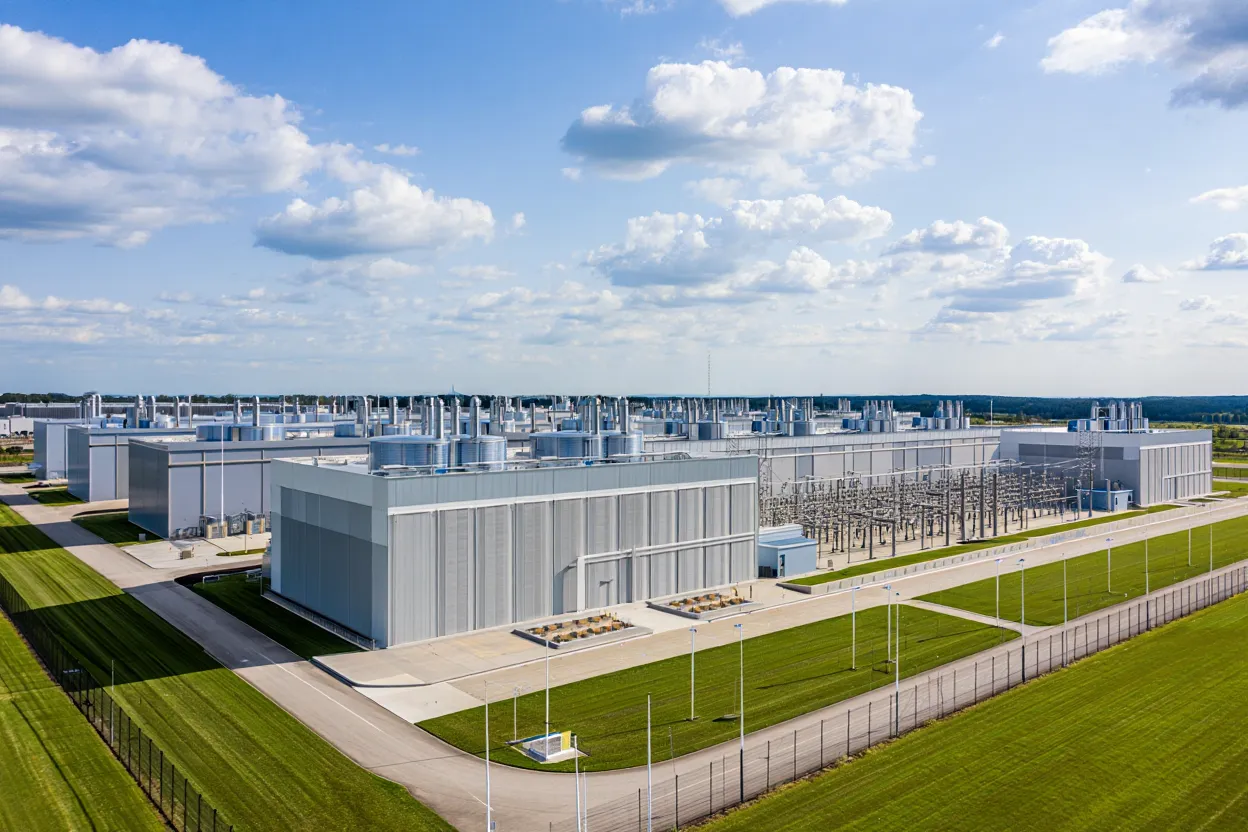
Data centers represent the tip of the spear for tech-driven CRE growth. As the AI arms race accelerates, demand for well-located, high-power, and well-connected data center facilities is pushing lenders and equity sponsors to rethink risk. Goldman Sachs alone reported a record $26B in real estate assets under supervision and robust demand for structured finance solutions. That marks a notable divergence from two years ago, when banks were still writing down troubled loans and tightening credit.
Power constraints and concerns about an “AI bubble” are a caution signal, but the consensus across the largest institutions is that this investment cycle still has plenty of runway. For operators and investors, this shifts the focus from defensive workouts to proactive capitalizing on the next wave of CRE demand—albeit with a careful eye on credit discipline and underwriting standards.
What’s Next
As the pipeline of AI-driven demand expands, expect CRE lending to keep tilting toward data centers and supporting infrastructure rather than traditional office and retail assets. The largest banks show no sign of major tightening around tech-adjacent real estate, even with some sectors still facing muted rents or demand. Risks remain—from macroeconomic shocks to supply chain volatility—but leadership at JPMorgan, Wells Fargo, and Bank of America all project sustained activity in tech infrastructure lending through 2026.
CRE professionals should anticipate heightened competition for best-in-class data center projects, as well as new financing products tailored to AI ecosystems and energy infrastructure. For the rest of the market, traditional asset classes may see continued stability as the worst pandemic CRE fallout recedes behind a nation rewiring for the digital era.