




- Austin’s multifamily market cooled but stabilized in the second quarter, with occupancy rising 70 basis points from Q1 even as annual inventory growth slowed to 3.5%.
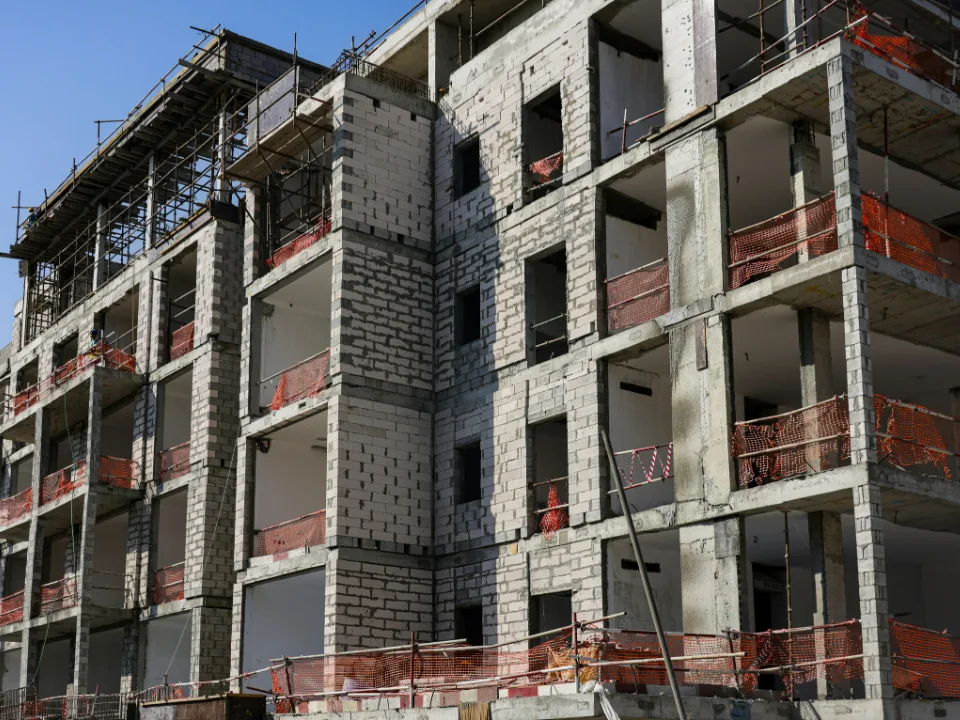
- Net absorption reached 5,106 units in Q2, outpacing 2,793 units of new supply, while 14,247 units remain under construction across the metro.
- Rents are expected to keep softening before rebounding, with Colliers forecasting occupancy near 94.6% and rents at $1,438 by mid-2027 as deliveries slow further.
The Austin multifamily market is finding its footing after several turbulent years of oversupply, with construction activity slowing sharply in the second quarter, according to GlobeSt.com. New data from Colliers shows occupancy ticking higher and absorption outpacing new supply, a reversal from the wave of deliveries that has weighed on rents since 2023. The shift suggests the market’s worst oversupply pains may finally be easing, giving owners their first real reprieve since the pandemic-era building boom.
Get Smarter About What Matters in Texas
Subscribe to our free newsletter covering the biggest commercial real estate stories across Texas — delivered in just 5 minutes.
Austin Multifamily Market: From Boom to Balance
Austin led the nation in apartment construction during the pandemic-era boom, when investors poured capital into the Texas capital on the strength of its tech-driven population growth. That wave of new supply pushed vacancy up and rents down for years, as thousands of units hit the market at once and landlords competed aggressively to fill them. The correction has been painful, but it appears to be working: inventory growth has slowed to 3.5% year-over-year, among the slowest paces the metro has posted in recent memory. Developers who once broke ground on speculative projects are increasingly pulling back, giving existing supply room to lease up before more competition arrives.
The Details
Colliers’ second-quarter market report shows occupancy fell just 30 basis points year-over-year but climbed 70 basis points from the first quarter, evidence of sequential improvement even as the annual comparison stays soft. Net absorption reached 5,106 units in the quarter, down from 5,628 a year earlier but a marked recovery from the 3,464 units absorbed in the first quarter, and it comfortably outpaced the 2,793 units of new supply delivered over the same period. Average asking rents contracted to $1,425 a month, $31 below where they stood in the second quarter of 2025. Still, the pipeline remains substantial, with 14,247 units under construction and Colliers noting additional groundbreakings are expected before year-end.
Zooming Out
Austin isn’t the only Sun Belt metro digesting a historic wave of apartment supply — high-growth markets across Texas and the broader South have spent the past two years working through similar gluts. Separate reporting on Austin multifamily rents has pointed to the same gradual stabilization, with landlords regaining some pricing power as deliveries taper off. That pattern suggests Austin’s correction is following a familiar Sun Belt script rather than signaling a deeper structural problem in the market, and it echoes how other formerly overbuilt metros have worked through similar cycles in past years.
Why It Matters
For owners and lenders who have weathered several years of falling rents and rising concessions, the data is an early sign that Austin’s supply glut has largely run its course. That matters beyond Austin, too: national multifamily supply is still running high, with Yardi Matrix recently raising its 2026 multifamily supply forecast, meaning other high-growth metros could face a similar multi-year digestion period before conditions tighten again. Investors underwriting new Sun Belt multifamily deals will be watching Austin closely as a bellwether for how quickly an oversupplied market can normalize, and for how long rent growth stays muted even after occupancy recovers.
What’s Next
Colliers expects deliveries to pick back up, forecasting 9,255 new units by the second quarter of 2027, but it projects demand of 12,646 units will be enough to absorb that supply without derailing the recovery. If that plays out, Colliers sees occupancy climbing to 94.6% and average rents rising to $1,438 a month. That would mark a full turn in the cycle for a market that, until recently, was synonymous with oversupply, and it would give owners the rent growth story they’ve been waiting years to tell investors. Brokers and appraisers will likely treat the next two quarters of absorption data as the real test of whether this stabilization holds, especially if additional groundbreakings materialize on schedule.