





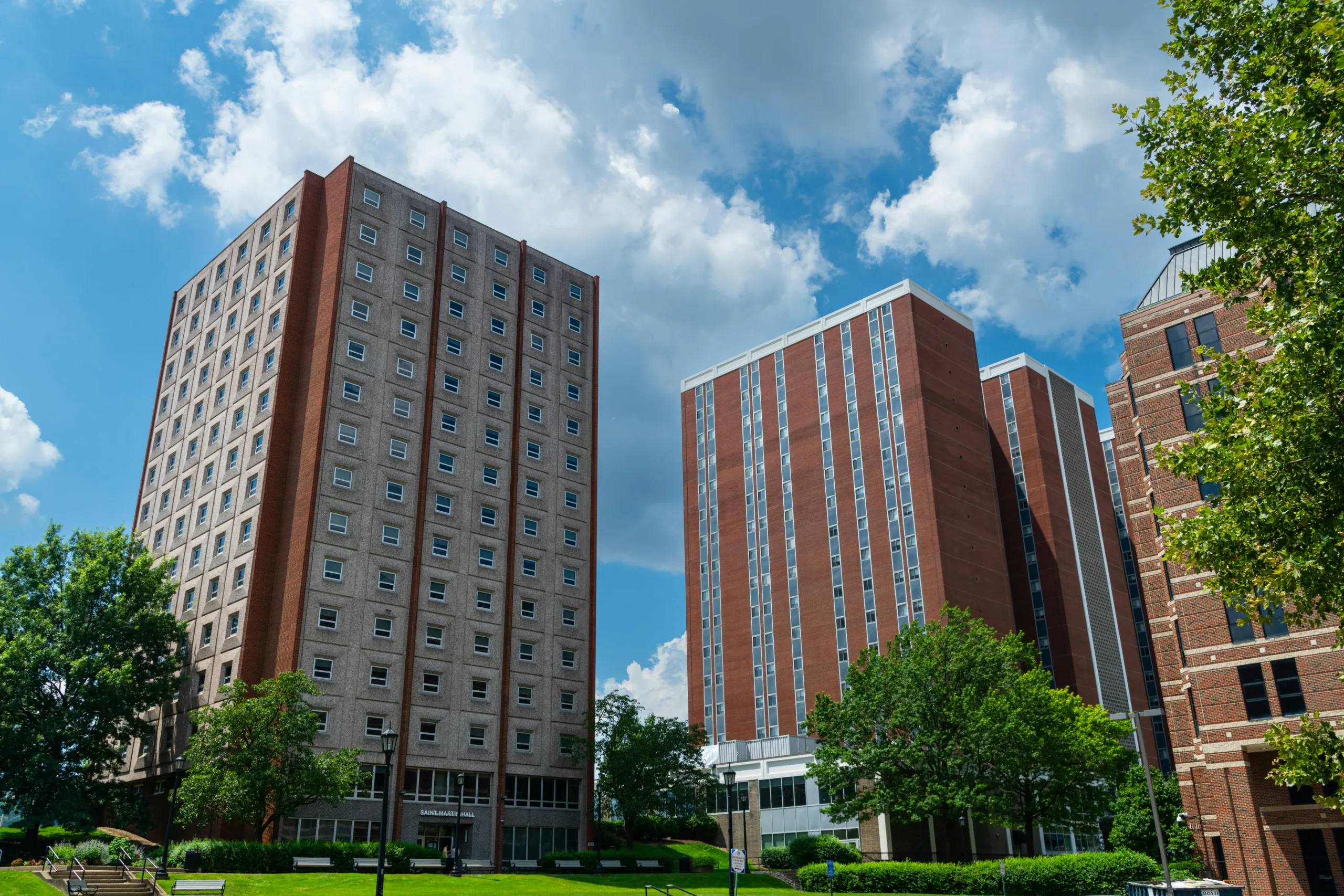
- Ares Management and The Scion Group acquired a 12-property student housing portfolio for roughly $910M from Harrison Street Asset Management.
- The portfolio includes 7,578 beds near universities such as Notre Dame, Ohio State, and James Madison University in supply-constrained markets.
- The deal highlights continued institutional demand for student housing as investors pursue recession-resistant housing sectors.
Ares Management and The Scion Group are making a major push into student housing with a $910M portfolio acquisition spanning 12 off-campus properties across the US. The deal marks the first transaction under a newly formed partnership between the alternative asset manager and one of the country’s largest student housing operators.
Bloomberg reported the venture acquired the 7,578-bed portfolio from Harrison Street Asset Management. The communities are located near major universities including the University of Notre Dame in Indiana, Ohio State University in Columbus, and James Madison University in Virginia.
Get Smarter about what matters in CRE
Stay ahead of trends in commercial real estate with CRE Daily – the free newsletter delivering everything you need to start your day in just 5-minutes
Ares Expands Deeper Into Student Housing
The acquisition gives Ares another foothold in a property sector that continues attracting institutional capital despite broader CRE volatility. Student housing remains a favored defensive asset class because enrollment often holds steady—or increases—during economic slowdowns.
The partnership strategy centers on acquiring off-campus housing near large universities with growing student populations and limited new supply. Scion will serve as the operating partner, leveraging its existing platform and scale in the sector.
The Details
The newly acquired portfolio totals 12 properties and 7,578 beds, according to a company statement released Wednesday. Financial terms beyond the roughly $910M purchase price were not disclosed.
Chicago-based Scion currently owns and operates more than 105,000 student housing beds nationwide. The firm said it has deployed $10.2B since 2016, with roughly one-third of that investment occurring over the past two years as institutional appetite for the sector accelerated.
Andrew Holm, head of US diversified equity for Ares Real Estate, said the partnership is positioned to “unlock value” as student housing continues institutionalizing.
Student Housing Keeps Drawing Capital
Student housing fundamentals remain stronger than many other CRE sectors facing demand uncertainty. CBRE’s 2025 student housing report showed strong preleasing activity and steady rent growth before the 2025–2026 academic year.
Meanwhile, limited new supply continues attracting investors. Higher construction costs and tighter lending conditions have slowed development across many university markets. The sector has also stayed resilient during broader economic uncertainty and shifting CRE investment patterns.
Large institutional investors continue expanding into the sector. Blackstone, Greystar, Harrison Street, and Brookfield have all increased their student housing exposure. The sector has also become a more established institutional investment category.
Why It Matters
The transaction underscores how capital continues flowing toward niche housing sectors with durable demand drivers. While office and some multifamily markets face softer fundamentals, student housing continues benefiting from stable enrollment trends, recurring leasing cycles, and constrained supply near flagship universities.
The size of the acquisition also reflects growing confidence in scaled portfolio transactions. Institutional investors are increasingly pursuing operating partnerships with specialized managers like Scion to gain exposure to fragmented sectors that require localized expertise.
What’s Next
Ares and Scion indicated the partnership plans to continue acquiring off-campus student housing properties in high-demand university markets. Investors will likely watch whether additional large portfolios come to market as owners capitalize on strong pricing and sustained institutional demand.
The broader student housing sector could also see increased transaction activity through the remainder of 2026 if interest rates stabilize and financing conditions improve for large-scale acquisitions.