







- AEW has deployed about 55% of its $1.8B North American fund and expects to return to market with another fund in about a year.
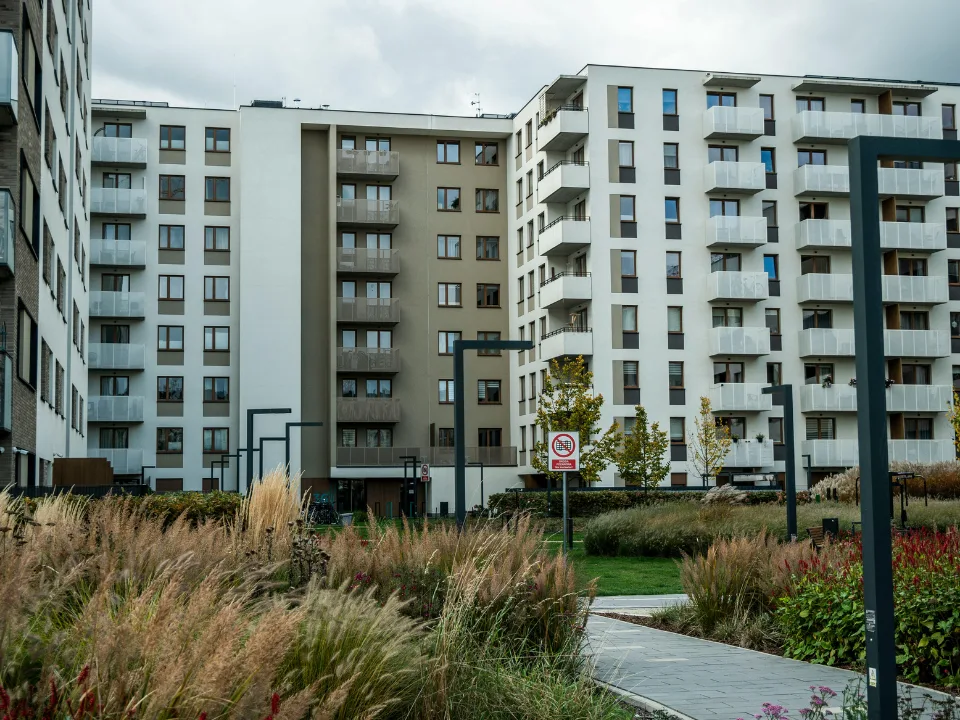
- Senior housing, industrial, and select retail have produced opportunities, while multifamily returns remain constrained by liquidity and new supply.
- Abundant debt is delaying forced sales and reducing the distress that AEW expected to capture when the fund launched.
AEW Capital Management is deploying its $1.8B North American real estate fund more slowly than originally expected. Bisnow reports that the manager has invested about 55% of the vehicle as debt liquidity limits forced sales. They are also narrowing its targets by market, sector, and property quality rather than making broad asset-class bets.
Get Smarter about what matters in CRE
Stay ahead of trends in commercial real estate with CRE Daily – the free newsletter delivering everything you need to start your day in just 5-minutes
AEW Real Estate Fund Turns More Selective
AEW closed the fund in July 2025 after more than two years in market. It was the firm’s largest fund, although it missed an original $2B goal. Managing Director Tony Crooks said the vehicle was designed to capitalize on dislocation and mispriced assets.
Rising and volatile interest rates can slow transaction activity, while abundant financing is giving owners alternatives to selling. AEW now expects to go back to market with a new fund in about a year. Crooks said deployment and allocation have remained measured as conditions evolve.
Senior Housing Delivers Early Wins
The seed portfolio included senior housing, multifamily, industrial, and retail. Senior housing has been one of the strongest areas. AEW bought 16 senior housing properties in 16 months after targeting distress and improving fundamentals.
Crooks said occupancy has tightened while new supply has fallen sharply. That performance has attracted more capital and increased competition for acquisitions. AEW is also planning two senior housing developments, which Crooks described as the first of the cycle. The stronger pricing environment is making it harder to buy existing properties at an attractive basis.
Multifamily and Industrial Diverge
AEW expected more distressed multifamily opportunities after heavy syndicator activity in 2021 and 2022. Prices have fallen about 15% to 30% over five years, but debt liquidity has helped support values. New apartment deliveries are also limiting rent growth in oversupplied markets such as Austin.
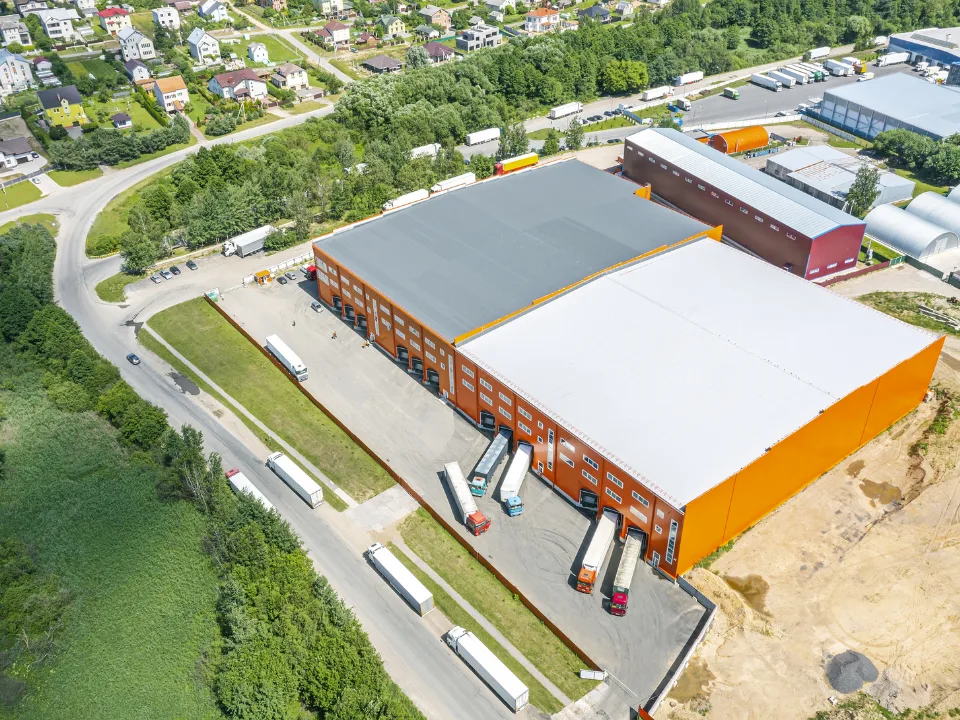
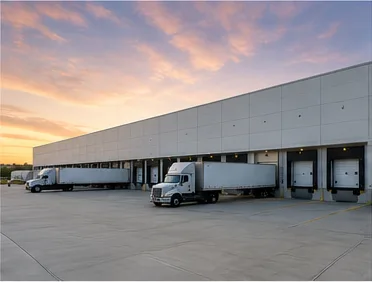
Crooks said outsized multifamily returns are constrained in this cycle. Industrial has been more productive. AEW bought select distressed assets after weak tenant demand from 2023 to 2025. Leasing and net absorption improved substantially in 2026, and the fund also plans industrial development.
Debt Liquidity Slows Deployment
Retail has exceeded AEW’s original expectations, especially grocery-anchored and lifestyle centers. Crooks said the firm is finally seeing rent growth across its retail investments. The fund has also bid on office buildings needing only minor renovations, but it has not completed an office acquisition.
Available debt is allowing owners to refinance instead of sell, delaying the distress AEW expected to capture. Crooks said any asset marketed for refinancing is receiving multiple bids. He described the current rescue-capital environment simply: debt is often replacing the rescue equity seen in prior cycles.
What’s Next
AEW expects many loans in the maturity wall to be worked out over the next three years. Crooks also said substantial equity raised for noncore assets must be deployed during that period. The firm’s next moves will depend heavily on leverage and debt-capital flows.
If financing remains plentiful, deployment may stay selective. If debt availability tightens, more owners could be pushed toward sales and create the dislocation the fund originally targeted.